
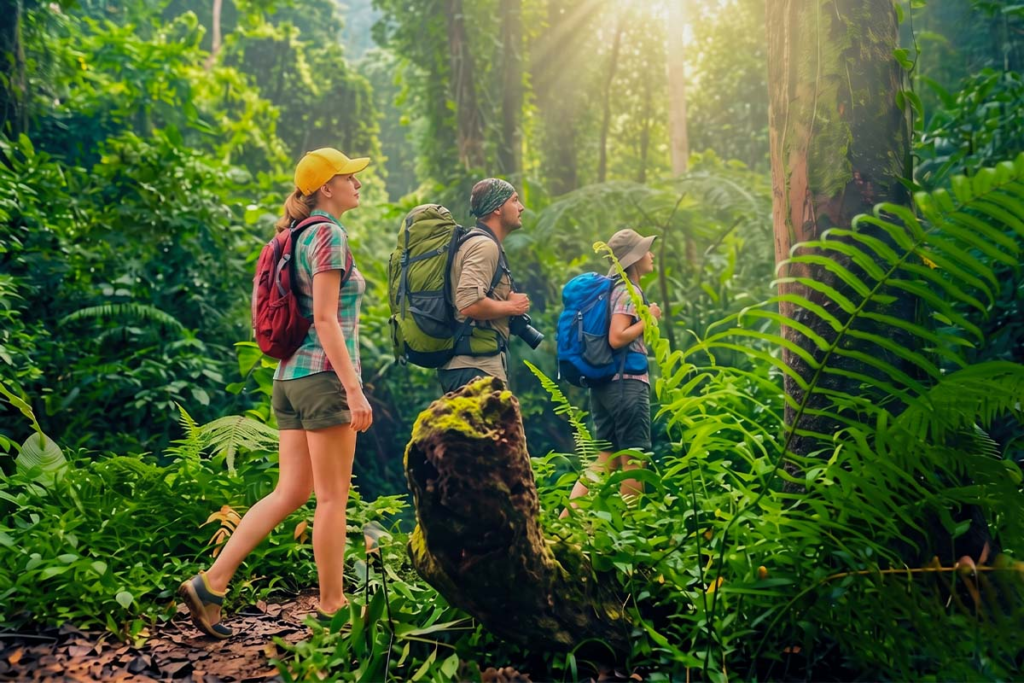
Sinharaja Rain Forest Sri Lanka
Sinharaja Rain Forest, Sri Lanka, a primordial world of mist-shrouded canopies, cascading waterfalls, and rare endemic wildlife found nowhere else on Earth. As Sri Lanka’s last remaining primary tropical rainforest and a UNESCO World Heritage Site, this dense biosphere offers one of Asia’s most rewarding trekking experiences—if you know how to navigate it. From choosing between the Kudawa and Pitadeniya entry gates to hiring mandatory local guides and timing your trek to avoid heavy monsoons, planning a visit requires clear, practical logistics. This complete guide breaks down everything you need to know before you go, including updated entrance fees, top hiking trails, and expert tips for spotting rare species like the Sri Lanka Blue Magpie in the wild.
Sinharaja Forest Reserve Entrance Gates, Ticket Prices & Guide Regulations
Navigating entry into Sinharaja Rain Forest Reserve requires understanding its access points, mandatory safety rules, and local pricing. Here is everything you need to know before arriving at the gate.
Choosing the Right Sinharaja Entrance Gate
Sinharaja spans multiple provinces, but visitors primarily enter through three main official conservation gates:
Kudawa Gate (North / Kalawana Side)
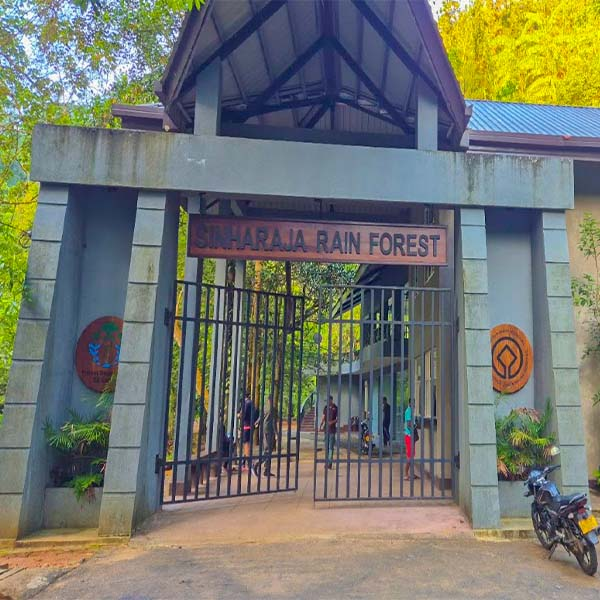
The most popular access point for first-time visitors. It provides smooth access to well-maintained trails, research centers, and popular spots like the Moulawella Peak trail.
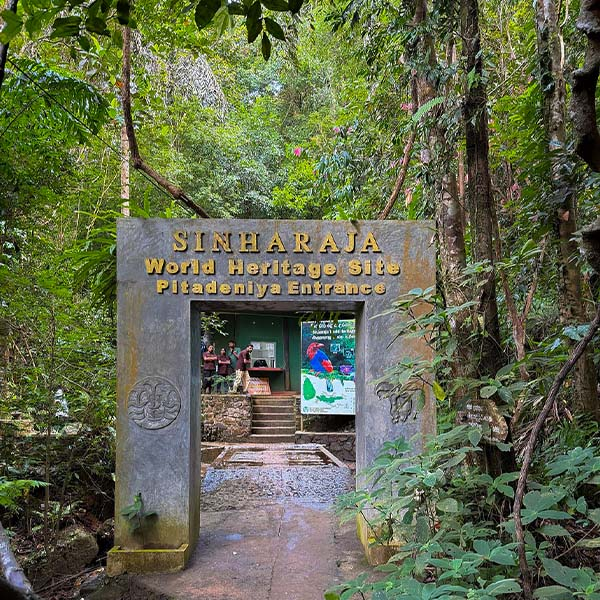
Pitadeniya & Lankagama Gates (South / Deniyaya Side)
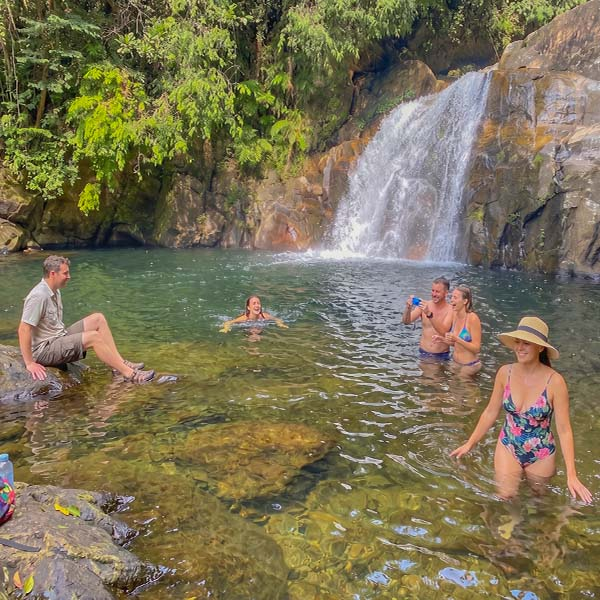
Ideal for travelers coming from Southern coastal hubs like Galle, Mirissa, or Matara. This entrance is quieter, featuring scenic suspension bridges, river baths, and famous waterfalls like Brahmana Ella.
Kurulugala Gate (South-East / Deniyaya High Elevation):
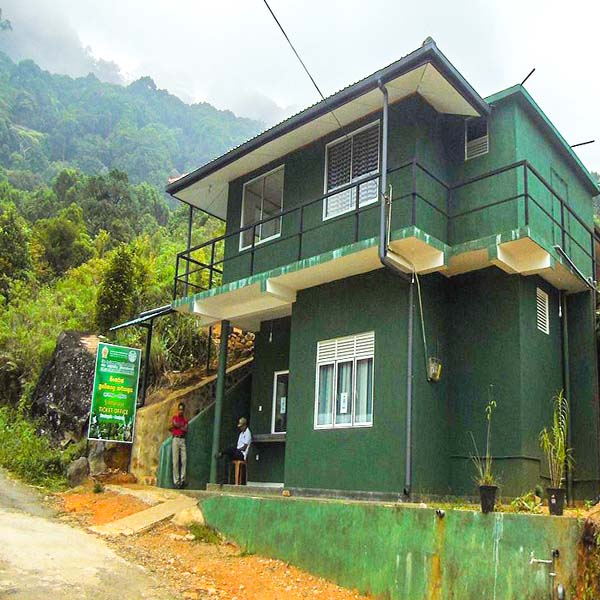
Sitting at around 1,000 meters elevation, this gate is tailored for serious birdwatchers and photographers seeking specialized fauna.
Sinharaja Entrance Fees & Hours
Tickets must be purchased in person at the official Forest Department counters at the gate.
| Category | Estimated Cost (LKR) | Estimated Cost (USD) |
| Foreign Adult Entry | LKR 2,700 – 3,500 | ~$10 – $15 USD |
| Foreign Child Entry | LKR 1,500 – 2,000 | ~$5 – $8 USD |
| Guided Trek Package (Entry + Guide) | — | $30 – $40 USD (3–5 hr trek) |
| Local Adult / Child Entry | LKR 325 – 650 | ~$1 – $2 USD |
- Operating Hours: Daily from 6:30 AM to 6:00 PM (Last entry tickets are sold around 4:30 PM).
- Payment Note: Cash in Sri Lankan Rupees (LKR) is strongly advised, as card machines and cell service at forest gates can be unreliable.
The Mandatory Guide Rule For the Sinharaja Forest Reserve
Important Rule: You cannot enter the Sinharaja Forest Reserve without an official Department of Forest Conservation guide or certified naturalist.
- How to hire: Certified local guides line up outside the main ticket offices at Kudawa and Pitadeniya. You can assign one upon purchasing your ticket or pre-book through an eco-lodge or tour operator.
- Specialist Requests: If your goal is birdwatching, request a specialist avian guide at the counter. They are skilled at spotting hidden species like the Red-faced Malkoha or Serendib Scops Owl.
- Tipping: Tipping your local guide (approx. LKR 3,000–5,000 / $10–15 USD) is standard practice and directly supports forest community livelihoods.
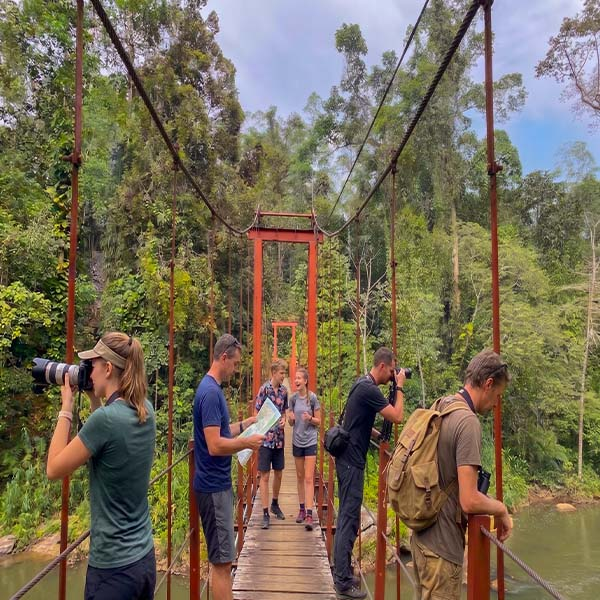
Essential Gate Preparation: Leech Socks
Because Sinharaja is a humid primary rainforest, land leeches are active year-round—especially after rain.
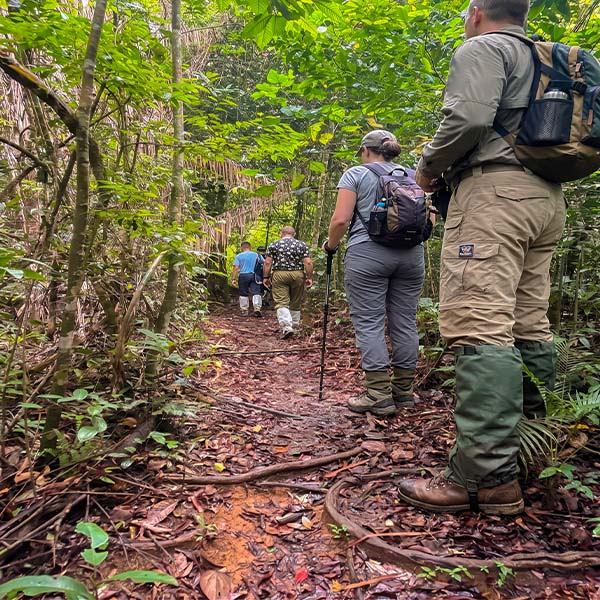
- You can buy canvas leech socks directly at the entrance desk or nearby local shops for around $3 USD (LKR 1,000).
- Pull them over your trousers and wear closed hiking shoes to stay comfortable throughout your trek.
Sinharaja Rain Forest: Top Hiking Trails & Endemic Wildlife Guide
Trekking through Sinharaja Forest Reserve offers a rare chance to walk through an ancient primary rainforest unchanged for millions of years. Whether you are seeking a light half-day nature walk or a challenging full-day jungle expedition, Sinharaja has routes tailored to every fitness level.
Best Hiking Trails in Sinharaja
| Trail Name | Distance & Duration | Difficulty | Best Entry Gate | Highlights |
| Moulawella Peak Trail | 2.4 km (1–2 hours round-trip) | Easy to Moderate | Kudawa (North) | Climbs to 758 m elevation through tall Dipterocarp trees for panoramic views across the canopy. |
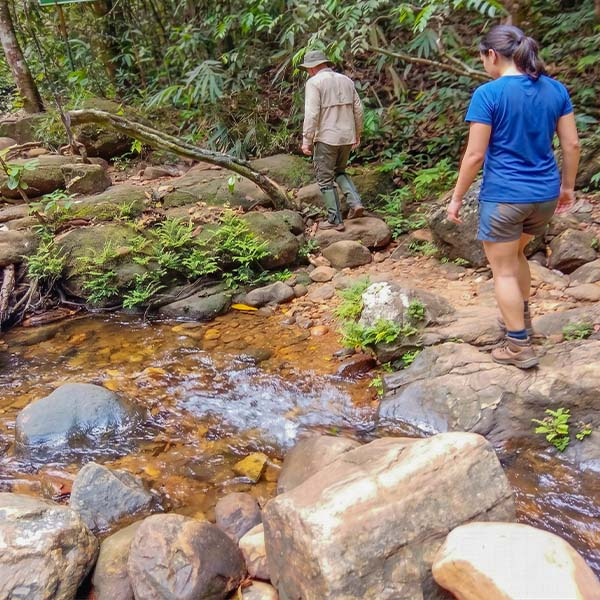
| Kekuna Ella & Pathan Oya Loop | 5 km (2–3 hours round-trip) | Easy | Pitadeniya (South) or Kudawa | Gentle trail following clear rainforest streams and natural rock pools ideal for a freshwater dip. |
| Sinhagala (Lion Rock) Trail | 14 km (5–7 hours round-trip) | Strenuous | Kudawa or Pitadeniya | Deep trek into the core zone ending atop a massive rock outcrop with 360° views over unbroken rainforest. |
Spotting Sinharaja’s Endemic Wildlife
Sinharaja is Sri Lanka’s ultimate biodiversity hotspot. Over 60% of its tree species and more than 50% of its resident wildlife are endemic to the island.
1. The World-Famous “Bird Waves” of Sinharaja
Birdwatchers travel from across the globe to witness Sinharaja’s unique mixed-species foraging flocks. Up to 40 different bird species move rapidly through the canopy together in a synchronized feeding movement.
Sri Lanka Blue Magpie
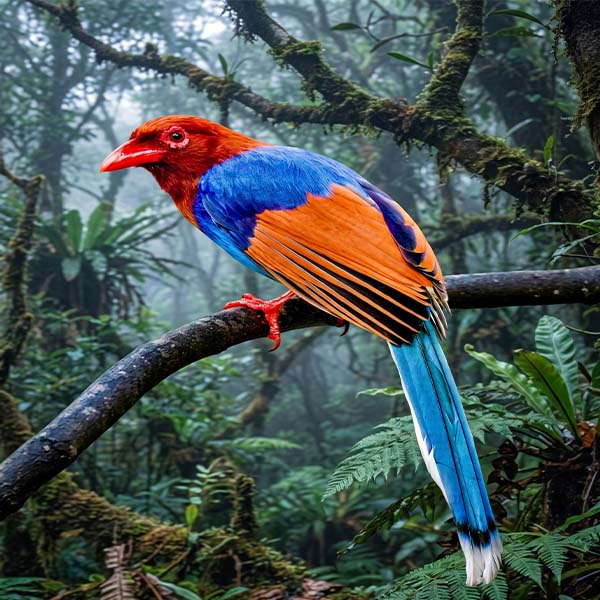
Striking cobalt blue with rich chestnut wings, a red bill, and a long blue tail.
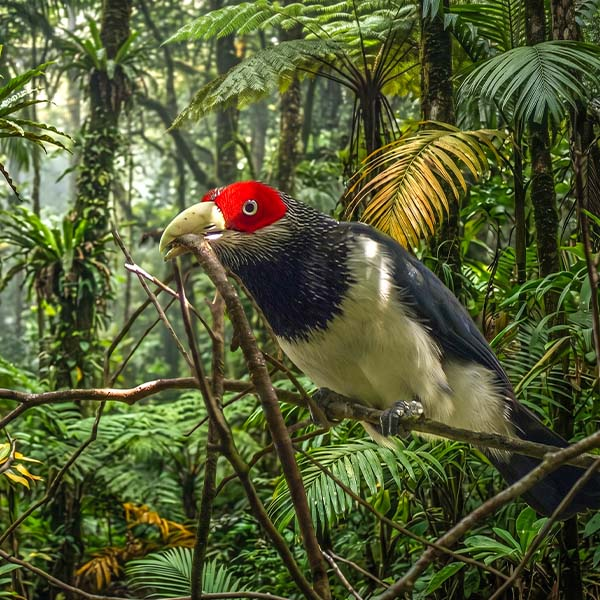
Red-faced Malkoha
A secretive forest cuckoo with a distinctive crimson face patch.
Serendib Scops Owlet
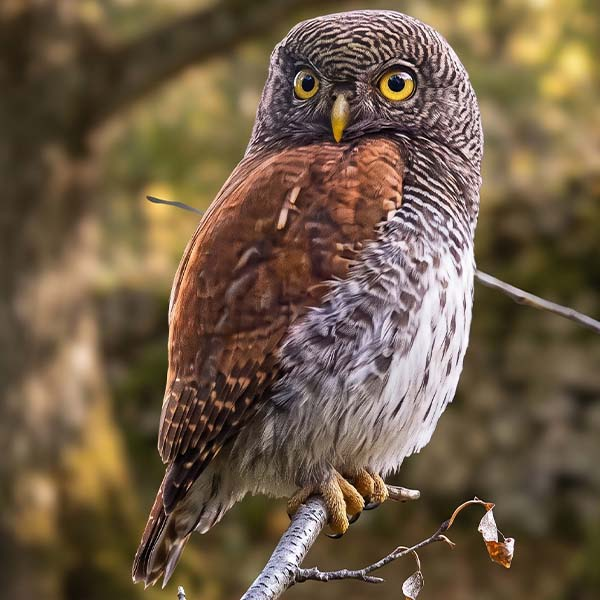
A tiny endemic owl discovered inside Sinharaja in 2004.
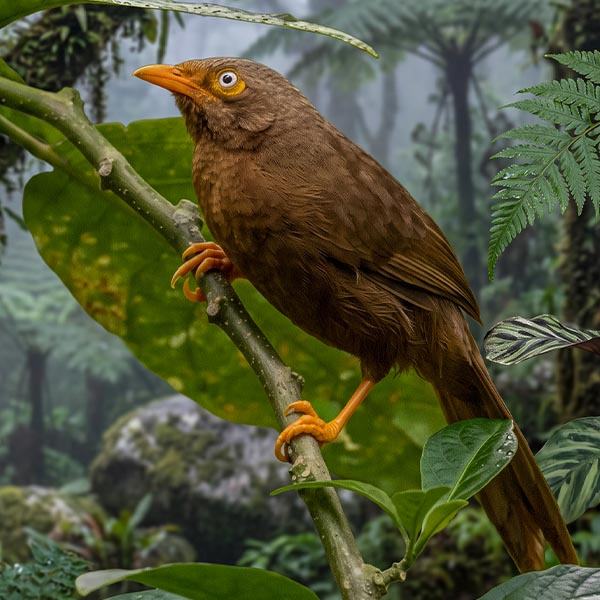
Sri Lanka Drongo & Orange-billed Babbler
The “flock anchors” whose vocal calls coordinate the movement of the entire bird wave.
2. Sinharaja Rain Forest Mammals, Reptiles & Amphibians
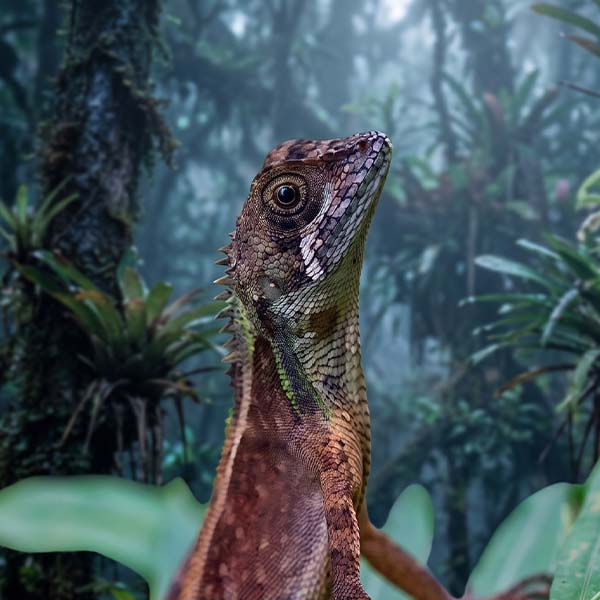
While dense foliage makes big mammals rare to spot, the understory the Sinharaja Rain Forest is full of fascinating endemic creatures:
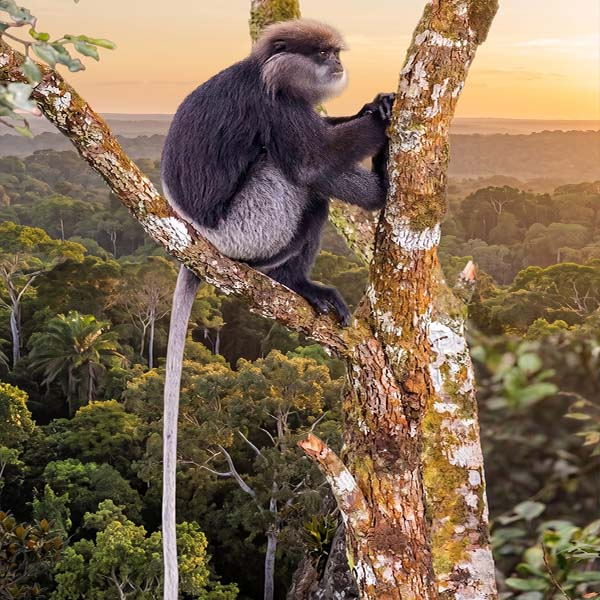
- Purple-faced Langur: A shy, endangered leaf monkey frequently heard crashing through the high canopy.
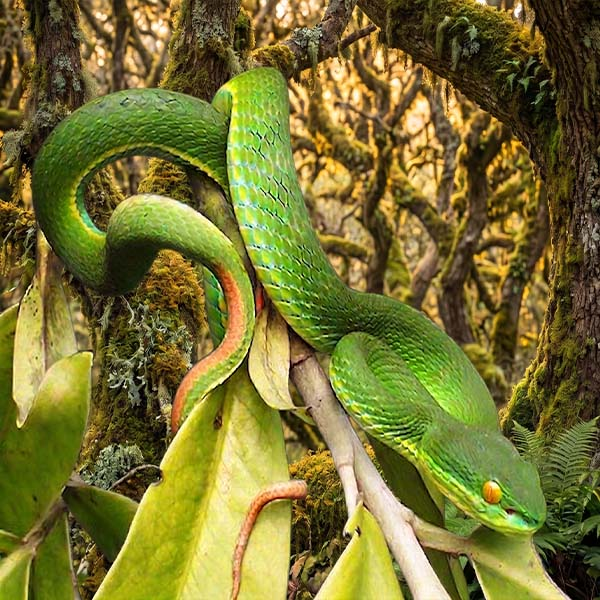
- Green Pit Viper: A vibrant emerald snake often seen coiled motionless on low branches near stream banks.
- Kangaroo Lizard: A small endemic reptile that startles visitors by sprinting on its two hind legs along the leaf litter.
Best Time for a Sinharaja Rainforest Tour: Weather & Packing Tips
Understanding Sinharaja’s tropical equatorial climate is crucial for planning your trek. Because the Sinharaja Forest Reserve is a primary rainforest that receives 3,000- 5,000 mm of annual rainfall, brief showers can occur even during the “dry” months.
Seasonal Weather Breakdown
| Season | Months | Weather Conditions | Trekking Suitability |
| Peak Dry Season | January – March | Driest weather, lower humidity, clearer skies, firmer trails. | Best: Ideal for hiking, photography, and birdwatching. |
| Secondary Dry Window | August – September | Brief window of reduced rainfall between monsoons. | Good: Pleasant trail conditions with moderate humidity. |
| Southwest Monsoon (Yala) | May – July | Heavy torrential rains, high river levels, muddy paths. | Challenging: Active leeches; waterfalls are at full force. |
| Northeast Monsoon (Maha) | October – December | Highest annual precipitation and frequent afternoon thunderstorms. | Avoid: Slippery terrain and flood risks along river trails. |
- Temperature: Averages between 22°C to 30°C (72°F to 86°F) year-round.
- Humidity: Extremely high, consistently sitting between 80% and 90% inside the canopy.
Essential Packing Checklist for the Sinharaja Rain Forest
Packing correctly can make or break your Sinharaja rainforest tour experience. Prioritize moisture protection and pest defense over heavy gear.
1. Leech Protection & Footwear
- Canvas Leech Socks: High-top canvas socks worn over pants to stop leeches from reaching your skin.
- Eucalyptus Oil or Salt Solution: A small spray bottle to safely detach leeches if one latches on.
- Hiking Shoes: Deep-tread, waterproof trail runners or hiking boots with strong rubber grip for slippery moss-covered rocks.
2. Clothing & Outerwear
- Lightweight Synthetic Tops: Quick-drying long-sleeve shirts to protect against scratches and insect bites. Avoid heavy cotton, which retains sweat and moisture.
- Lightweight Trekking Pants: Long, breathable trousers that can be tucked into your leech socks.
- Rain Poncho / Jacket: A packable, breathable waterproof jacket or heavy-duty poncho.
3. Gear & Electronics
- Waterproof Dry Bag: Essential to protect cameras, lenses, and smartphones during sudden downpours.
- Binoculars (8×42 or 10×42): Crucial for spotting high-canopy bird waves and arboreal mammals like the Purple-faced Langur.
- Rechargeable Headlamp: Helpful for early morning birdwatching starts or late-afternoon return treks.
- Insect Repellent & Sunscreen: Eco-friendly mosquito repellent (DEET or Picaridin).
Planning Your Sinharaja Rainforest Adventure
A trek through Sinharaja Forest Reserve is far more than an ordinary hike—it is an immersive journey into Sri Lanka’s most ancient natural sanctuary. Whether you are standing in awe beneath massive canopy trees, tracking a flurry of colorful endemic birds during a feeding wave, or taking a refreshing dip in a pristine forest stream, Sinharaja offers a raw wilderness experience unlike anywhere else on the island. By securing an experienced local guide, wearing reliable leech socks, and choosing the right entrance gate for your itinerary, you set yourself up for an unforgettable eco-adventure in Sri Lanka’s green heart.
Sinharaja Rain Forest Frequently Asked Questions (FAQ)
Yes. Sinharaja is Sri Lanka’s premier biodiversity hotspot and a UNESCO World Heritage Site. It is the absolute best location on the island for spotting rare endemic bird species, ancient primary rainforest canopy, and untouched waterfalls.
From Galle or Mirissa, the Pitadeniya (Deniyaya) Gate is closest (approx. 2.5 to 3 hours by private car or taxi). From Colombo, the Kudawa (Kalawana) Gate is the preferred choice, taking roughly 3.5 to 4 hours via the Southern Expressway (E01) exiting toward Agalawatta or Southern highways.
A standard trek requires 4 to 6 hours (1 full day). Avian enthusiasts and photographers often spend 2 days staying at nearby eco-lodges around Kudawa or Deniyaya to take advantage of early morning bird waves.
No. Rainforest land leeches do not transmit disease and their bites are harmless. However, they can cause minor bleeding and itchiness. Wearing high-top canvas leech socks, applying eucalyptus oil or salt solution, and tucking in long trousers prevents most bites.
Can you visit Sinharaja Rain Forest without a guide?
No. The Sri Lanka Department of Forest Conservation strictly mandates that all visitors must be accompanied by an official, certified local guide at all times inside the forest reserve.
Share Your Rainforest Experience!
Whether you are actively mapping out your Sri Lanka itinerary or simply reminiscing about your time on the Sinharaja trails, we would love to read your questions and favorite memories in the comments below. If this guide sparked your wanderlust, be sure to share it with your travel partners or save it to your Pinterest board!
When you are ready to turn those plans into reality, our team is here to help. From arranging expert local guides for a single rainforest trek to designing fully customized, multi-day Sri Lanka tour packages, we tailor every detail to match your unique travel style. Contact us today to request a custom itinerary and officially book your Sinharaja trekking adventure!
Department of Forest Conservation Sri Lanka: The official government governing body responsible for the protection, entry permits, and conservation guidelines of the Sinharaja Rain Forest World Heritage Site.