
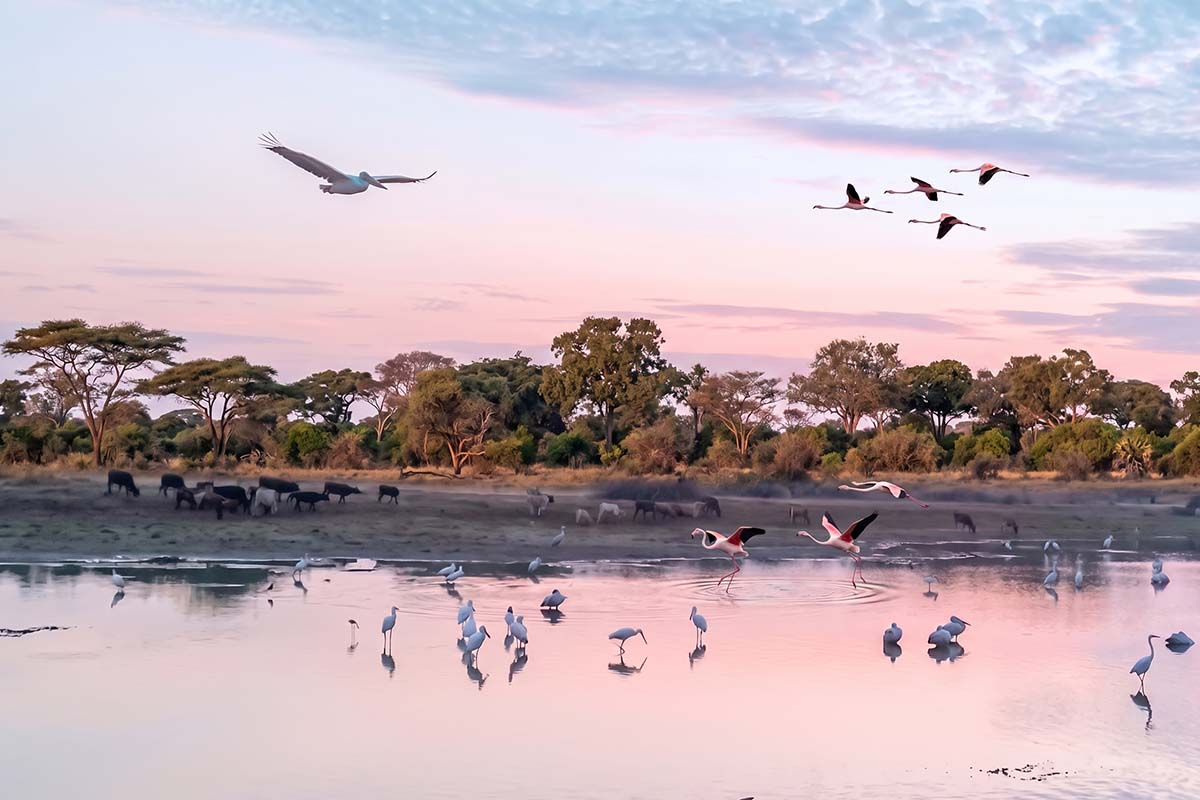
The Ultimate Guide to Bundala National Park: Sri Lanka’s Wetland Haven
Bundala National Park safari, you will discover a pristine coastal reserve situated along the dry southeastern shores of Sri Lanka’s Hambantota District. Furthermore world-renowned as Sri Lanka’s first Ramsar Wetland of International Importance and a UNESCO Biosphere Reserve, Bundala protects over 3,300 hectares of interconnected shallow lagoons, dunes, salt pans, and dense dry scrublands.
Why Bundala National Park Bird Watching Belongs on Your Sri Lanka Itinerary
Hidden away on the southeastern coast of Sri Lanka, Bundala National Park offers a serene escape from the heavily trodden tourist tracks of nearby Yala and Udawalawe. Specifically, this 6,216-hectare ecosystem blends scrubland, brackish coastal lagoons, salt pans, and dunes into a rich, biodiverse habitat
While adjacent parks draw massive convoys of safari jeeps in search of leopards, Bundala remains quietly untouched. As a result, visitors enjoy uncrowded trail networks, tranquil reflections in the water, and an unhurried wilderness experience. For wildlife enthusiasts, photographers, and casual nature lovers alike, Bundala stands out as a peaceful haven where coastal breezes meet raw wilderness.
Top Wildlife to Spot in Bundala: From Flamingos to Coastal Reptiles
Bundala is globally celebrated for its birdlife, hosting over 200 recorded species. In fact, thousands of migratory birds navigate the Central Asian Flyway to reach these shallow lagoons each year.
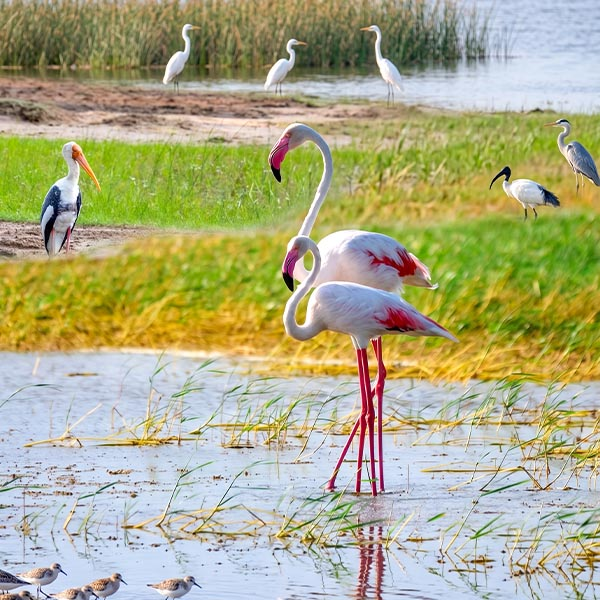
Migratory & Resident Birds: Highlights include large flocks of Greater Flamingos, Painted Storks, Eurasian Spoonbills, Black-necked Storks, Spot-billed Pelicans, and rare migrant waders.
Mammals: Small herds of Asian Elephants navigate the scrub forests and the edges of lagoons. Additionally, visitors frequently encounter Golden Jackals, Tufted Grey Langurs, Toque Macaques, Wild Boar, and Black-naped Hares.
Reptiles & Marine Life: Both freshwater Mugger Crocodiles and larger Saltwater Crocodiles share the waterways. Meanwhile, land monitors move along the banks, while the park’s pristine beach frontage acts as a nesting site for sea turtle species, including Green and Leatherback turtles.
Best Season and Ideal Times for Bundala Birdwatching
Therefore, timing plays a crucial role in maximizing your safari experience at Bundala because bird density shifts dramatically with the monsoons and migration patterns.
| Season / Time | Highlights | Travel Conditions |
| September to March | Peak Migratory Window: Hundreds of avian species arrive. Lagoons fill with vibrant pink flamingo flocks and dense wader concentrations. | Warm temperatures; occasional rain during the northeast monsoon (Oct–Dec). |
| April to August | Resident Wildlife Window: Focus shifts to resident elephants, crocodiles, local raptors, and coastal reptiles. | Dry, hot weather; lower water levels make crocodile spotting easier. |
| Early Morning (6:00 AM – 9:30 AM) | Best light for photography, peak bird feeding activity, cooler air. | Minimal dust, calm waters. |
| Late Afternoon (3:00 PM – 6:00 PM) | Golden hour lighting, elephants emerging to drink, birds returning to roost. | Soft natural light across the open lagoons. |
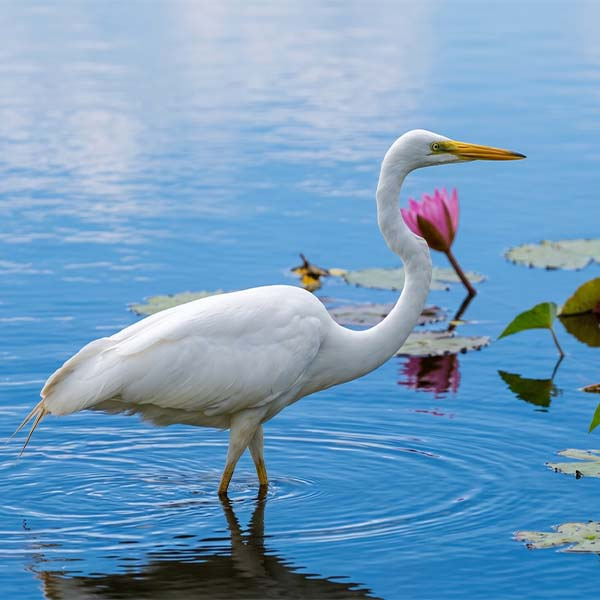
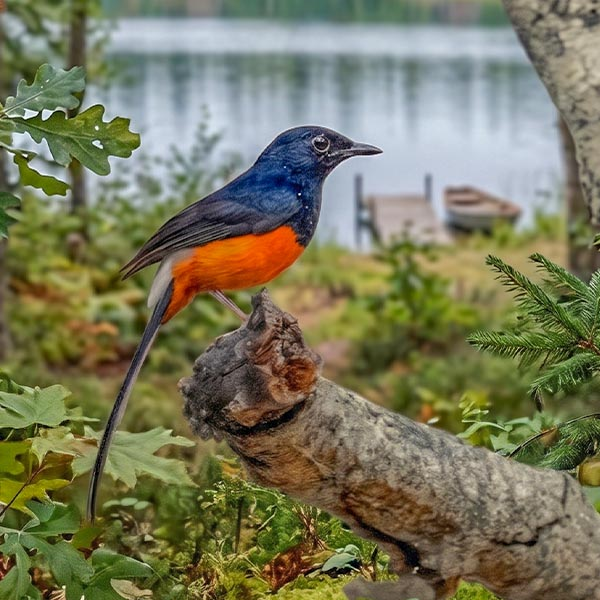
Wildlife Snapshot at Bundala National Park Ramsar wetland
| Feature | Details | Key Ecological Role |
| Wetland Ecosystem | 5 brackish lagoons, salt marshes, and mangroves | Provides rich feeding grounds for migratory and resident shorebirds. |
| Peak Birding Season | October through March | Synchronizes with the northern hemisphere winter migration period. |
| Notable Bird Species | Greater Flamingo, Spot-billed Pelican, Black-necked Stork, Great Thick-knee | Dominates open waters, mudflats, and coastal scrub. |
| Unique Safari Experience | Low vehicle density compared to neighboring Yala | Offers a peaceful, crowd-free wildlife tracking experience. |
How to Plan Your Bundala National Park Jeep Safari: Logistics and Routes
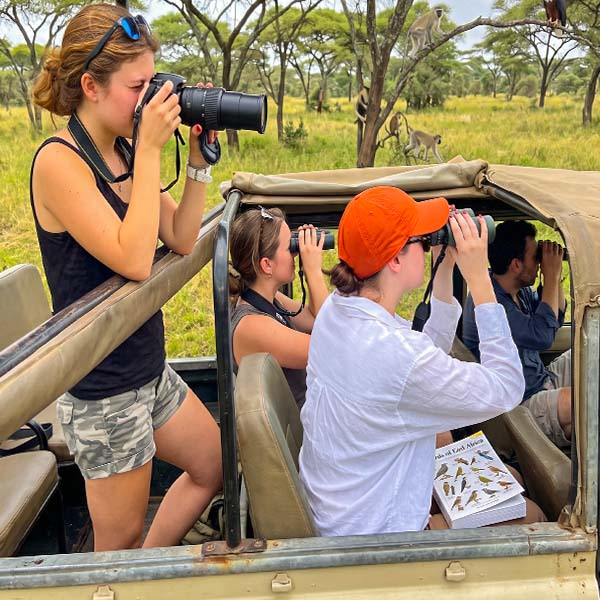
Typically, a standard Bundala National Park safari lasts between 3 and 4 hours. However, dedicated birdwatchers often opt for full-day excursions to cover all five shallow lagoons: Bundala, Embilikala, Malala,Koholankala, and Mahalewaya.
Gate Location: The official park entrance and ticket office are located in Weligatta,easily accessible via the Hambantota–Tissamaharama highway.
Booking a Jeep: Hire a modified 4×4 open-top safari vehicle with an experienced local driver in Tissamaharama or directly at the park gate.
Park Track Routes: Most routes loop around the open mudflats of Malala and Embilikala lagoons, passing through dry thorny scrubland before reaching the ocean lookout points along the dunes.
Official entrance fees for Bundala National Park Safari
These fees are set by the government and are usually paid in cash in Sri Lankan Rupees (LKR) at the park gate. For instance, for foreign visitors, the base ticket prices are:
| Visitor Category | Entrance Fee |
| Foreign Adult | $12 USD |
| Foreign Child (6-12 years) | $6 USD |
| SAARC Country Adult | $10 USD |
| Children under 6 | Free |
Additional Required Park Fees:
- Jeep/Group Fee: $10 USD per vehicle
- Vehicle Entry Fee: LKR 300
- Taxes: 18% VAT on the total cost
Note: Because the $10 vehicle fee and 18% tax are added to your total, a solo traveler will pay more per person than a family of four. On average, expect the final entrance fee at the gate to come out to roughly $25 to $30 USD per adult.
Bundala National Park entrance fees are regulated by the Department of Wildlife Conservation (DWC)
Essential Visitor Tips and Packing Checklist
Bring Proper Optics: A pair of 8×42 or 10×42 binoculars is essential for observing distant bird flocks across open lagoons. Similarly, Photographers should bring telephoto lenses ranging from 300mm to 600mm.
Wear Neutral Clothing: Choose breathable, lightweight cotton or linen garments in beige, olive green, or khaki to blend into the natural surroundings without alarming wildlife.
Sun Protection & Hydration: Pack reef-safe sunscreen, polarized sunglasses, a wide-brimmed hat, and plenty of drinking water in reusable bottles.
Respect Eco-Etiquette: Keep noise levels to a minimum, refrain from asking drivers to off-road or approach wildlife too closely, and pack out all single-use plastics.
5-Day Sri Lanka Safari Itinerary
This 5-day Sri Lanka wildlife itinerary that combines the grassland giant herds of Udawalawe, the peaceful wetland birding of Bundala, and the big-game predator tracks of Yala.
Day 1: Gateway Arrival and Transfer South
Colombo Bandaranaike International Airport
Colombo Bandaranaike International Airport is the primary international gateway into Sri Lanka and the starting point for your southern wildlife expedition. Arriving here allows you to arrange private vehicle transfers directly south toward the dry-zone wildlife hubs, taking in rural countryside and scenic coconut plantations along the way.
- Primary Function: Major international arrival hub with 24-hour taxi services, SIM card providers, and currency exchange desks.
- Travel Logistics: Serves as the jumping-off point for expressway transfers south toward Udawalawe and the wildlife belt.
Day 2: Grassland Elephants at Udawalawe & Wildlife Conservation
Udawalawe National Park
Udawalawe National Park offers guaranteed encounters with wild Asian elephants across open grassland savannas. Centered around a massive reservoir, the open terrain provides unobstructed viewing opportunities that feel like an African safari, making it ideal for seeing mothers and calves feeding in early-evening light.
- Signature Features: Open savanna plains, large elephant herds, water buffaloes, and birdwatching along reservoir edges.
- Optimal Timing: Late afternoon safari (3:00 PM – 6:00 PM) when elephant herds emerge from scrub forests to drink.
Elephant Transit Home
Elephant Transit Home is an ethical rehabilitation center located just outside Udawalawe. Supported by conservation authorities, it cares for orphaned elephant calves until they are mature enough to be reintroduced into the adjacent wild parklands.
- Key Highlights: Public observation platform to watch scheduled calf milk feedings without direct human contact.
- Feeding Schedule: Daily feeding windows at 10:30 AM, 2:30 PM, and 6:00 PM.
Day 3: Wetland Birdwatching at Bundala National Park & Coastal Routes
Bundala National Park
Bundala National Park is Sri Lanka’s premier Ramsar wetland destination, famous for migratory bird flocks and calm coastal scenery. Taking a morning Bundala National Park Safari drive around its shallow lagoons reveals thousands of wintering waterfowl, Greater Flamingos, mugger crocodiles, and quiet trails free from crowded safari traffic.
On Day 3, we leave for Bundala National Park for an afternoon of birdwatching
- Signature Features: Five brackish lagoons hosting over 200 bird species, coastal sand dunes, and resident crocodiles.
- Optimal Timing: Early morning safari (6:00 AM – 9:30 AM) for cool air and maximum bird feeding activity.
Hambantota
Hambantota serves as a coastal transit hub connecting southern wetland reserves and wildlife parks. Passing through Hambantota gives travelers a convenient location to rest between game drives, enjoy ocean viewpoints, and restock on safari supplies.
- Primary Function: Regional transit node with modern highway access and coastal resort stays.
- Highlights: Ocean outlooks, convenient lunch stops, and quick access to wetland routes.
Day 4: Safari Base & Big Game Tracking in Yala
Tissamaharama
Tissamaharama is the traditional base town for safari travelers exploring Sri Lanka’s southeastern wilderness. Wrapped around historic irrigation lakes and shaded by massive tree canopies where fruit bats roost, Tissa provides easy access to jeep operators and park gates.
- Atmosphere: Laid-back safari hub with lakeside dining options and private jeep rentals.
- Location Advantage: Central positioning between Bundala and Yala park entrance gates.
Yala National Park
Yala National Park is Sri Lanka’s most famous game reserve, renowned for high leopard density and diverse habitats. Safaris navigate dry thorn scrub, open rocky outcrops, and beach borders to track apex predators, sloth bears, and massive herds of spotted deer.
- Signature Features: World-famous leopard tracking, sloth bear sightings, and varied coastal ecosystems.
- Optimal Timing: Morning game drive (6:00 AM – 10:00 AM) targeting leopard movement along rock outcroppings.
Day 5: Coastal Relaxation & Departure
Tangalle
Tangalle is a peaceful beachside retreat along the south coast to relax after your safari adventures. Its wide bays, coconut groves, and quiet beaches offer an ideal environment to unwind before transferring back to the airport.
- Atmosphere: Relaxed coastal town with secluded palm-fringed beaches and fresh seafood dining.
- Best Uses: Post-safari relaxation, beach walking, and coastal sunset views.
Recommended Stays & Bundala Hotel Bases
Grand Udawalawe Safari Resort
Grand Udawalawe Safari Resort serves as a polished, conveniently located base for exploring the surrounding elephant reserve. Nestled among mature trees near the main entrance, it allows you to rest comfortably between game drives.
- Features & Amenities: Outdoor swimming pool, open-air restaurant, and spacious air-conditioned rooms.
- Location Advantage: Minutes away from the park entrance and conservation centers.
Cinnamon Wild Yala
Cinnamon Wild Yala is an immersive jungle stay right on the boundary of the game reserve. Rustic chalets look out over natural waterholes where wild animals routinely wander through the property grounds.
- Features & Amenities: Observation deck for evening drinks, eco-friendly chalets, and a outdoor pool.
- Atmosphere: Authentic bush-lodge atmosphere with frequent visits from local wildlife.
Anantara Peace Haven Tangalle Resort
Anantara Peace Haven Tangalle Resort offers a luxury oceanfront retreat to conclude your safari circuit. Perched along a secluded cliffside, it provides ocean views, wellness programs, and private villa options.
- Features & Amenities: Infinity pool, cliffside fine dining, dedicated spa center, and direct beach access.
- Best Use: Post-safari relaxation for 1–2 nights before returning to the airport.
Seasonal Guidance & Park Timings
Bundala National Park
Bundala National Park experiences its peak wildlife volume during the winter migratory window from September to March.
- Migratory Peak: Hundreds of bird species, including Greater Flamingos, gather across the lagoons during these months.
- Weather: Dry conditions prevail outside the short October–December monsoon rains.
Udawalawe National Park
Udawalawe National Park remains reliable for elephant sightings throughout the entire year due to its central reservoir.
- Best Viewing: Dry months (May to September) concentrate herds along water edges.
- Daily Schedule: Late afternoon safaris offer lower temperatures and active elephant herds.
Yala National Park
Yala National Park yields optimal big-game tracking during the dry season from February to July.
- Park Closures: Main sectors (Block 1) often close for 4–6 weeks around September/October for drought restoration.
- Morning Drives: Book an early morning gate queue to spot leopards along granite outcrops.
Regional Transit Hubs for Your Bundala Trip
Tissamaharama
Tissamaharama is the central operational hub for arranging dedicated 4×4 safari vehicles for both Yala and Bundala.
- Driver Coordination: Private drivers handle inter-city transfers, while local safari jeep drivers guide you inside the parks.
- Lakeside Dining: Offers quiet evening dining options around historic reservoirs.
Tangalle
Tangalle connects seamlessly to the Southern Expressway for quick transit back to the international airport.
- Route Convenience: Minimizes travel time on your final departure day.
- Coastal Atmosphere: Uncrowded palm-fringed beaches ideal for a relaxed stay.
Private Driver & Safari Logistics Tips
Inter-City Driver: Hire an English-speaking driver with a private air-conditioned vehicle for airport transfers and travel between towns.
Park Jeeps: Park regulations require authorized 4×4 safari jeeps with local track drivers for entry into Udawalawe, Bundala, and Yala.
Combined Bookings: Resorts in Tissamaharama or Udawalawe can pre-arrange jeep pickups directly from your hotel lobby.
If you are looking for a peaceful wildlife experience, a Bundala National Park Safari is highly recommended.