
Yala National Park Travel Guide:Safaris, Attractions & Itineraries
Yala National Park is located on the southeastern coast of Sri Lanka. It is the island’s most famous wildlife sanctuary. Spanning over 978 square kilometers across the Southern and Uva provinces, Yala encompasses diverse ecosystems ranging from moist monsoon forests and freshwater lakes to open grasslands and coastal lagoons.
Whether you are seeking a brush with Sri Lanka’s big cats, sacred ancient temples, or scenic palm-fringed coastlines, Yala offers an unforgettable wilderness escape.
How to Get to Yala from Colombo
- By Private Car/Taxi (Fastest): Drive via the Southern Expressway (E01) through Galle and Matara to Hambantota/Tissamaharama. The journey takes approximately 4.5 to 5 hours.
- By Bus: Take an express bus from Colombo (Maharagama or Pettah) to Matara or Hambantota, then take a local bus to Tissamaharama (Tissa), the main gateway town for Yala. Total travel time is around 6 to 7 hours.
- By Train & Bus: Take the scenic coastal train from Colombo Fort to Matara, then hire a private vehicle or catch a local bus to Tissamaharama (1.5 to 2 hours from Matara).
Yala Safari Times & Entry Fees
Yala offers three primary safari options. To get the best experience, game drives are conducted in specialized open-top-times-safari jeeps.
Safari Options & Timings
| Safari Type | Operating Hours | Best For | Included Amenities |
| Morning Safari | 5:30 AM – 9:30 AM | Active predators, crisp morning light, birdwatching | Jeep & driver-guide |
| Evening Safari | 2:30 PM – 6:00 PM | Golden hour photos, elephants heading to waterholes | Jeep & driver-guide |
| Full-Day Safari | 5:30 AM – 5:00 PM | Maximum wildlife sightings across deeper park zones | Includes park entry tickets, jeep & driver ,water, packed lunch, and snacks |
Yala National Park Entry Fees Breakdown
Park entry fees are set by the Department of Wildlife Conservation and vary based on visitor category.
- Foreign Adult Ticket: Approx. USD $25–$35 (plus 18% VAT and standard service taxes, totaling around USD $40–$45 per person including vehicle service charges).
- Foreign Child Ticket (Ages 6–12): Approx. USD $15 (plus applicable taxes).
- Local Adult Ticket: Approx. LKR 150 (plus group vehicle entry charges).
- Jeep Hire Cost: Rents separately at approx. LKR 20,000 – 25,000 ($50–$70 USD) per half-day jeep session (fits up to 6 passengers).
Wildlife at Yala Safari
Yala is world-renowned for its remarkable biodiversity and is home to 44 mammal species and over 215 bird species.
The Big Three of Yala National Park
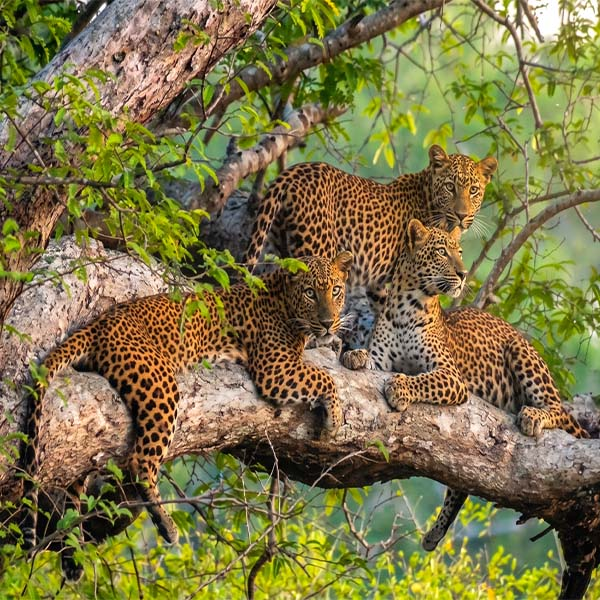
Sri Lankan Leopard (Panthera pardus kotiya):
Yala’s Block 1 boasts one of the highest leopard population densities in the world. They are frequently seen resting on rocky outcrops or lounging across tree branches.
- Asian Elephant:
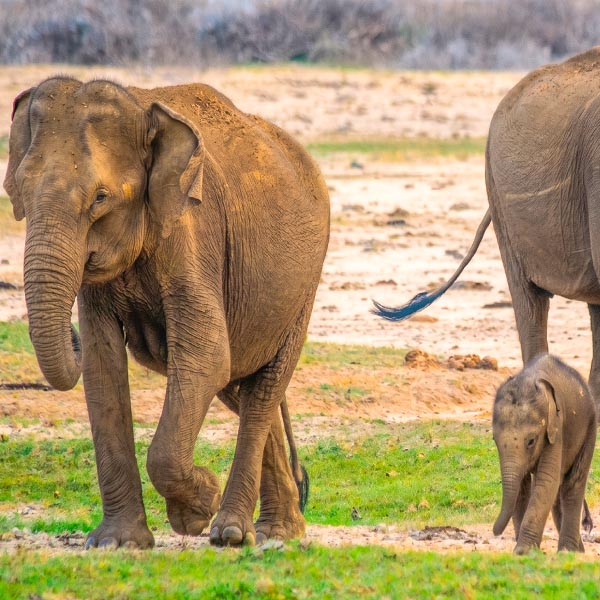
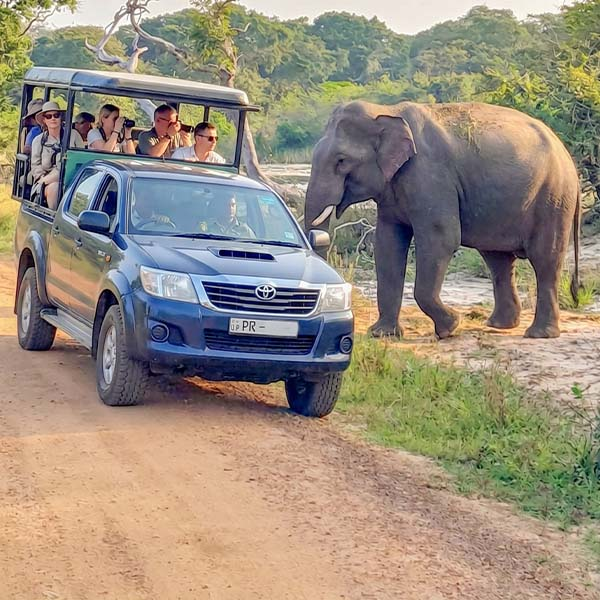
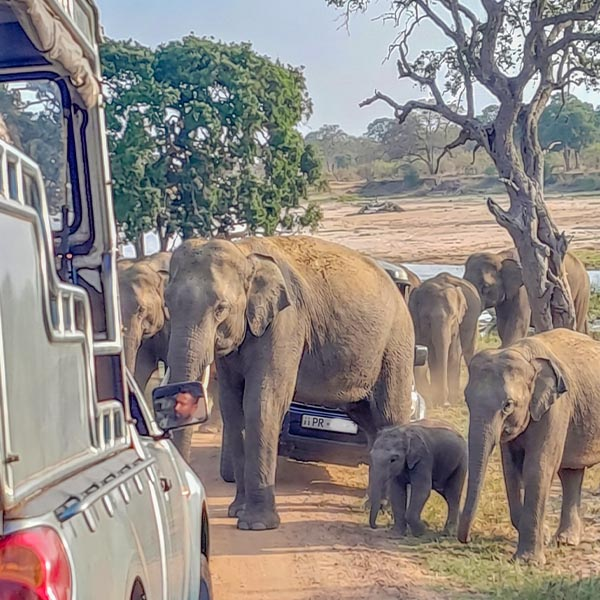
Herds of wild elephants move freely across the park lagoons, dusty trails, and scrub jungles.
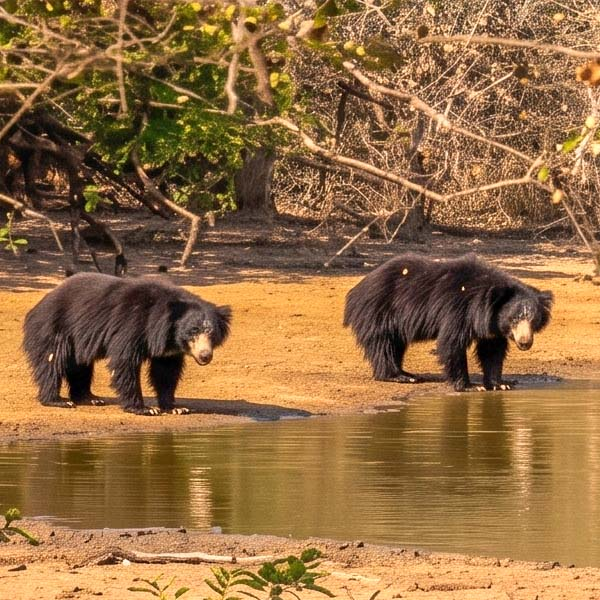
Sloth Bear:
Elusive and solitary, sloth bears are often spotted during the palu fruit season (May to July) when they feed on fallen fruit.
Other Animals to Spot on Your Yala Safari
- Predators & Primates: Golden jackals, tufted grey langurs, toque macaques, and ruddy mongooses.
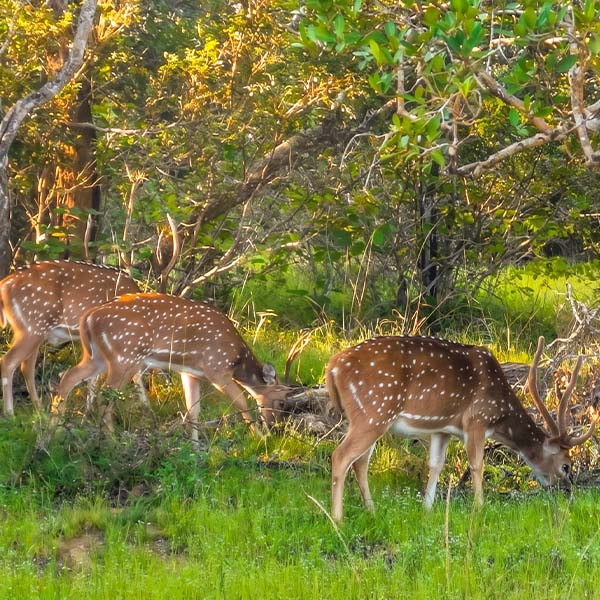
- Herbivores: Axis deer (spotted deer), sambar deer, wild boar, and wild water buffalo.
- Reptiles: Mugger crocodiles basking on lake banks, saltwater crocodiles, land monitors, and pythons.
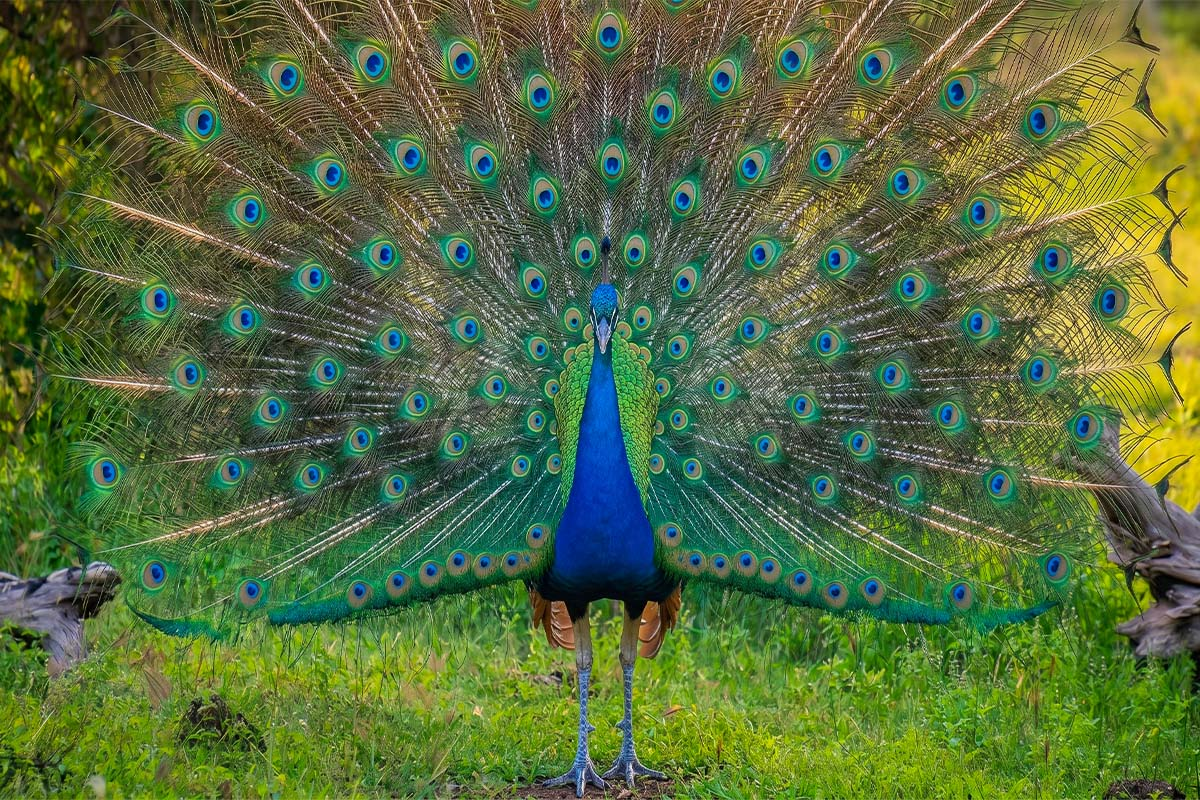
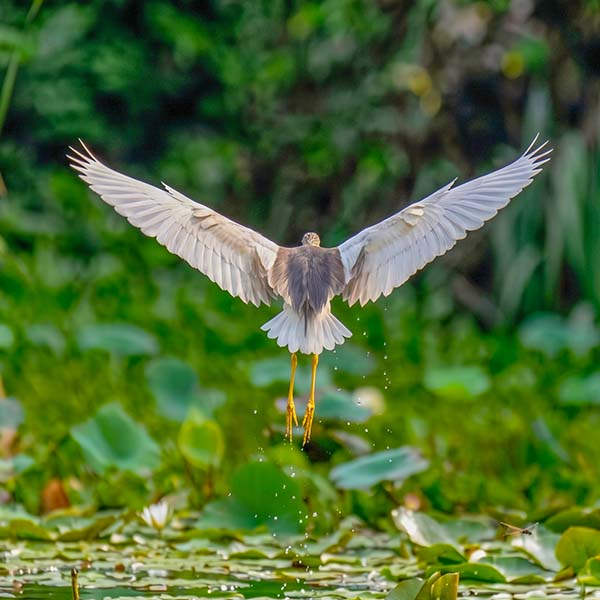
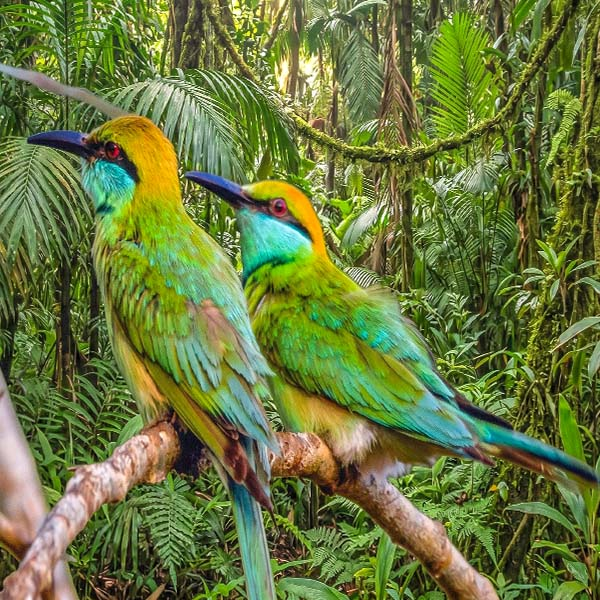
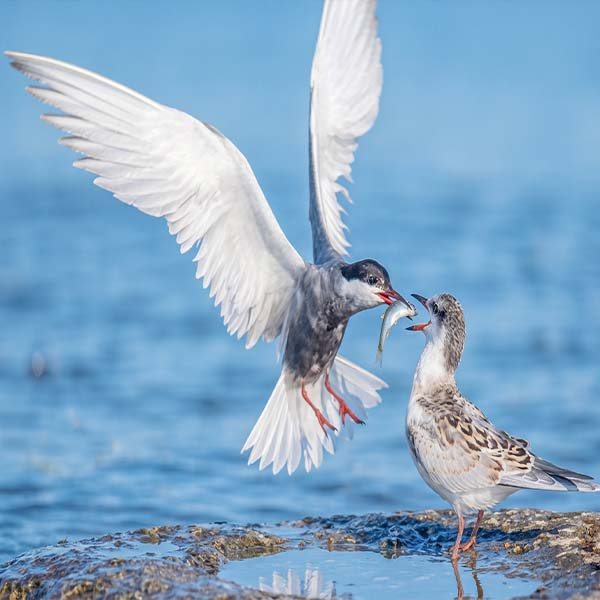
- Birdlife: Indian peacocks, painted storks, lesser adjutants, black-necked storks, hornbills, and seasonal migratory flamingos.
Essential Advice for Yala Safari Visitors
- Book Jeeps in Advance: Reserve a jeep with an experienced, ethical driver-guide who respects park speed limits and distance rules around animals.
- What to Wear: Lightweight, breathable clothing in neutral tone colors (khaki, green, beige). Avoid bright neon colors that can startle wildlife.
- Dust Protection: The gravel tracks can get very dusty. Pack sunglasses, sunscreen, and a light face scarf or mask.
- Stay Inside the Jeep: For safety, visitors must remain inside the safari vehicle at all times unless at designated river picnic spots.
- Annual Drought Closure: Note that Yala Block 1 usually closes for 4 to 6 weeks between September and October during the peak dry season to allow wildlife undisturbed access to water reserves.
Scenic Resting spot-Yala National park Safari
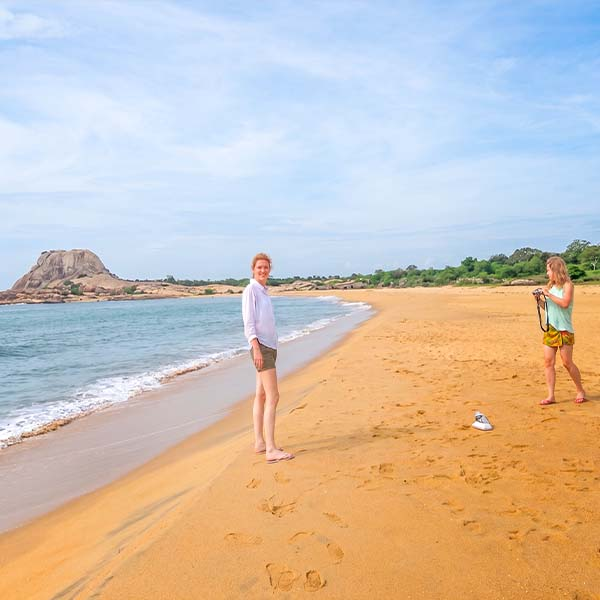
Midway through your thrilling safari, all jeeps stop at this scenic resting spot for thirty minutes, offering a perfect chance to step outside, relax, and enjoy another breathtaking experience within the Yala jungle.
Places to Visit Around Yala
Yala’s surrounding region offers rich historic, cultural, and coastal attractions within a 30-to-45-minute drive.
1. Tissamaharama – Lakes & Temples
Tissamaharama (Tissa) serves as the primary base for safari travelers
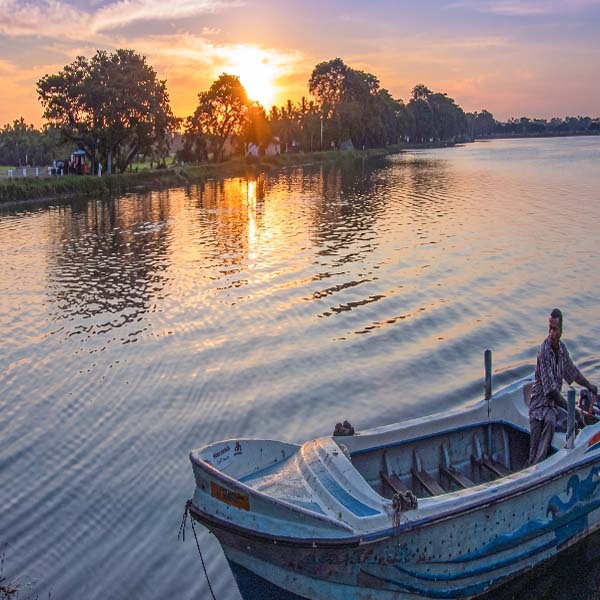
Tissa Wewa (Lake): A massive ancient artificial reservoir surrounded by towering trees roosted with flying foxes (fruit bats). It offers picturesque sunset views and boat tours.
2.Tissamaharama Raja Maha Vihara
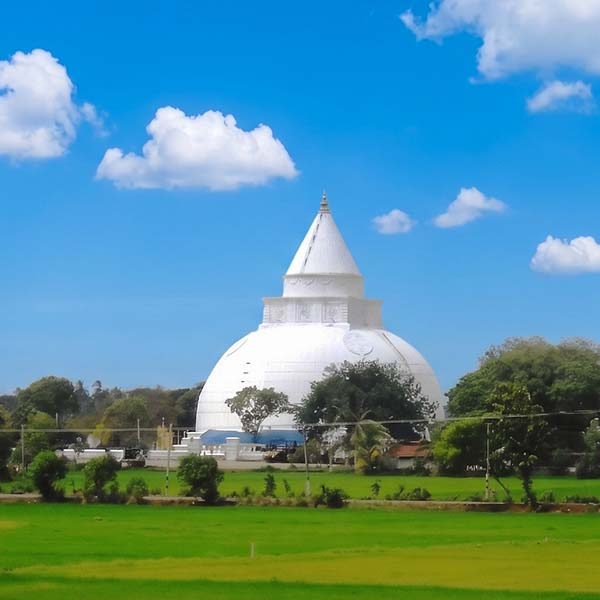
Pagoda: A magnificent ancient white stupa built in the 3rd century BC by King Kavan Tissa, beautifully lit up at night.
3. Kataragama – Sacred Pilgrimage Town
Kataragama is one of Sri Lanka’s most revered spiritual complex sites, shared harmoniously by Buddhists, Hindus, Muslims, and the indigenous Vedda people.
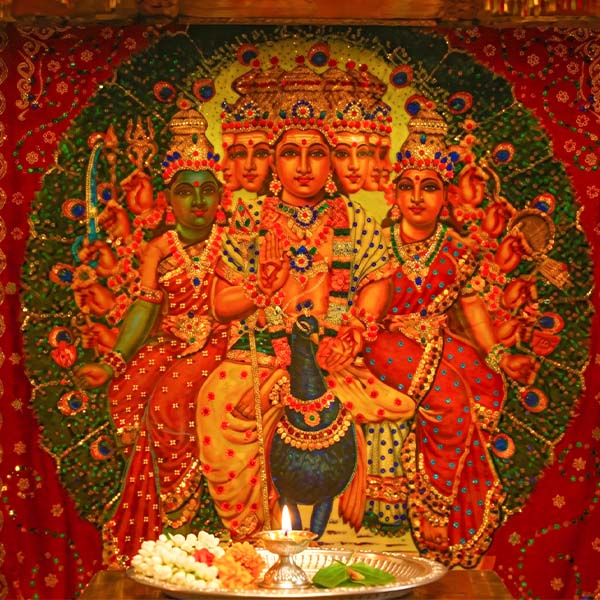
- Introduction to Kataragama Temple: The main shrine, Kataragama Maha Devale, features colorful multi-faith courtyards dedicated to unity and spiritual worship.
About God Kataragama (Murugan): The temple honors Lord Kataragama (also known as Murugan, Skanda, or Kartikeya), the guardian deity of wisdom, courage, and protection in Sri Lanka.
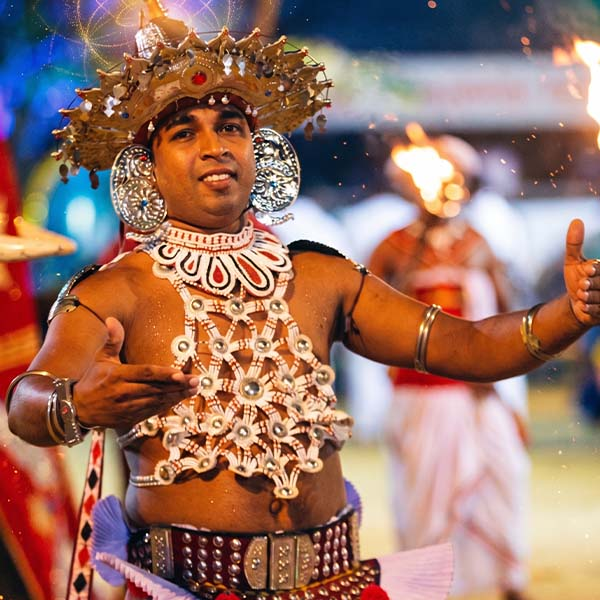
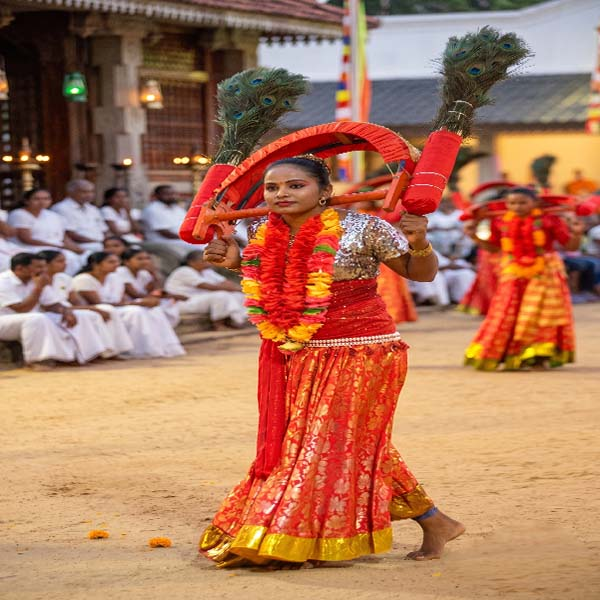
- Kataragama Procession (Esala Perahera): Held annually in July or August, this multi-day festival features traditional low-country drummers, fire-walkers, flag-bearers, and caparisoned elephant parades.
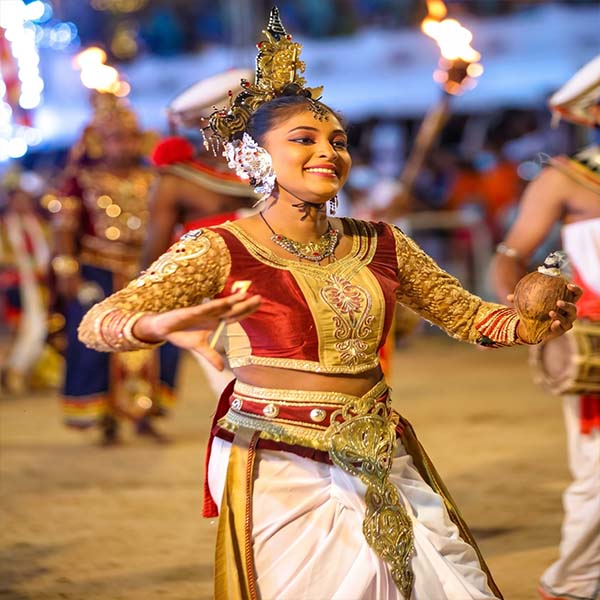
Katharagama Temple Official Website
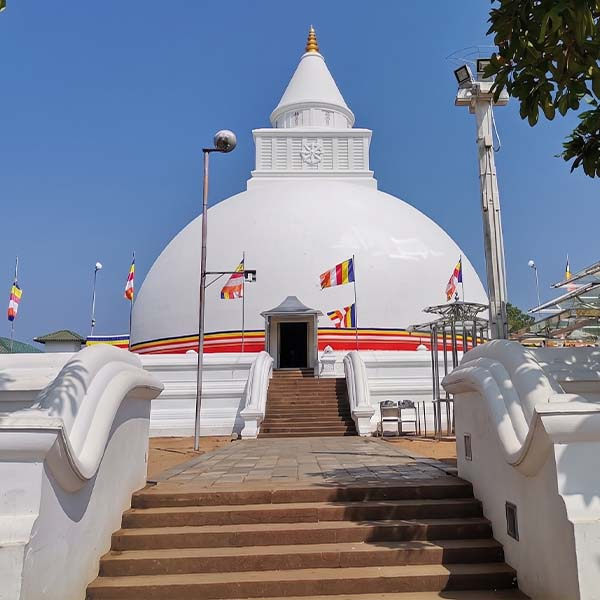
Kiri Vehera: A pristine, snow-white ancient stupa located just behind the main Devalaya. Legend holds that Lord Buddha visited this site on his third journey to Sri Lanka.
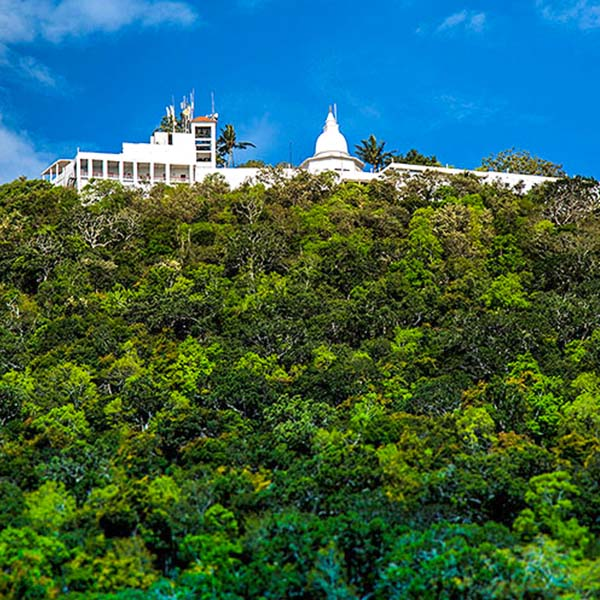
Wedahitikanda (Vadhiti Kanda): A sacred peak located 5 km from Kataragama town. Visitors can climb the stairs or take a 4×4 truck up the mountain to visit the shrine where Lord Kataragama is believed to have originally resided.
4. Kirinda Beach and Temple
Located just 10 km south of Tissamaharama lies Kirinda, a quiet coastal village with rich historical roots.
Kirinda Raja Maha Vihara: Perched atop massive rock boulders directly over the crashing Indian Ocean waves.
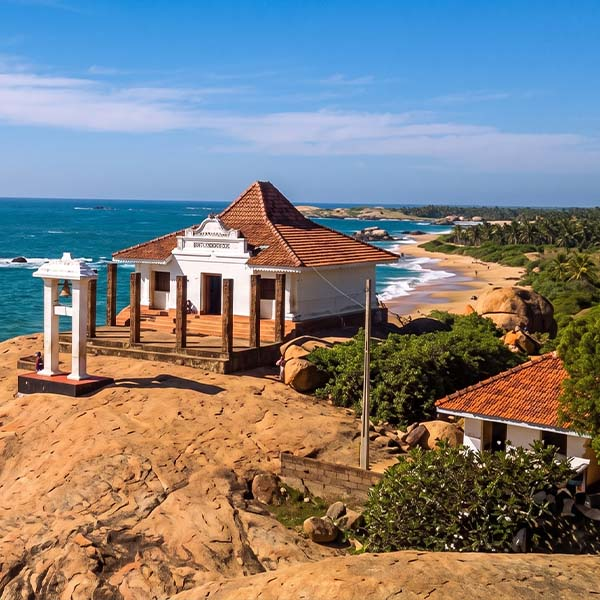
- Historical Legend: The temple commemorates Queen Viharamahadevi, an ancient princess who sacrificed herself by drifting to sea to save her kingdom, safely washing ashore at Kirinda to become a heroic queen.
5.Bundala National Park
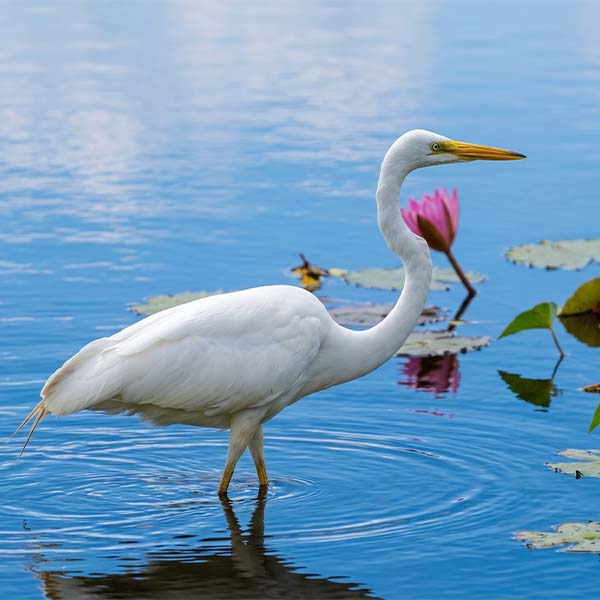
Bundala National Park is a wetland reserve home to nearly 200 bird species, with about half being waterbirds. It is conveniently situated near Tissamaharama, making it easy to visit both Bundala and Yala National Parks during your stay.
How Many Days to Stay in Yala?
Recommended Stay: Minimum 2 Nights
Staying at least 2 nights gives you enough time to do an early morning safari, relax during the heat of the day, explore the cultural sites of Kataragama and Kirinda, and take a sunset stroll along Tissa Wewa.
Perfect Sri Lanka Tour Itineraries
Itinerary 1: Cultural Triangle ->Hill Country -> Wildlife -> Beaches
Route: Colombo->Sigiriya ->Kandy ->Nuwara Eliya ->Ella -> Yala ->South Coast -> Colombo
- Days 1–3: Colombo to Sigiriya (Explore Sigiriya Rock Fortress, Dambulla Cave Temple).
- Days 4–5: Kandy (Temple of the Sacred Tooth Relic & Royal Botanical Gardens).
- Days 6–7: Nuwara Eliya & Ella (Scenic tea plantations, Nine Arches Bridge, Little Adam’s Peak).
- Days 8–9: Yala (Morning & Evening Safaris, Kataragama Temple visit).
- Days 10–12: South Coast (Tangalle, Mirissa beaches, Galle Fort).
- Day 13: Return to Colombo for departure.
Itinerary 2: Coastal Route First -> Wildlife ->Hill Country-> Cultural Triangle
Route: Colombo ->Down South Coastal Areas -> Yala ->Ella -> Kandy -> Sigiriya -> Colombo
- Days 1–3: Colombo to South Coast (Galle Fort, Unawatuna, Mirissa, Tangalle).
- Days 4–5: Yala National Park (Wildlife safaris, Kirinda Beach, Kataragama sacred site).
- Days 6–7: Ella (Ella Rock, Nine Arches Bridge, tea estate walks).
- Days 8–9: Kandy via Nuwara Eliya train route.
- Days 10–12: Sigiriya & Dambulla (Climb Pidurangala, ancient ruins of Polonnaruwa).
- Day 13: Return to Colombo.
Department of Wildlife Conservation (DWC) website or their official online permit portal.
FAQ-Yala Safari
The best time to visit Yala National Park is during the dry season, which runs from February to July. During these months, the water levels in the park drop, forcing animals—including leopards, elephants, and sloth bears—to gather around the remaining waterholes. This makes them significantly easier to spot! If you want to see sloth bears specifically, May to July is peak palu fruit season, which draws them out.
Note: The park usually closes entirely for about a month around September to October to allow the wildlife and environment to rejuvenate during the peak of the drought
Both safaris offer incredible—but different—experiences.
Morning Safaris (5:30 AM – 9:30 AM): These are generally considered the best for spotting leopards and other predators while it is still cool and they are actively roaming. The crisp morning light is also phenomenal for birdwatching.
Evening Safaris (2:30 PM – 6:00 PM): The afternoon is perfect for golden hour photography. As the heat of the day breaks, you will often see large herds of elephants coming out of the thick brush to drink and bathe at the waterholes.
If you want the ultimate experience without choosing, booking a Full-Day Safari gives you the best of both worlds, plus access to deeper, less-crowded zones of the park!
Yala Block 1 boasts one of the highest leopard densities in the world, giving visitors roughly a 60% to 70% chance of sighting a leopard on a given day. Booking an early morning safari or a full-day game drive with an experienced local driver significantly increases your odds.
Yala Safari Wildlife Photographing
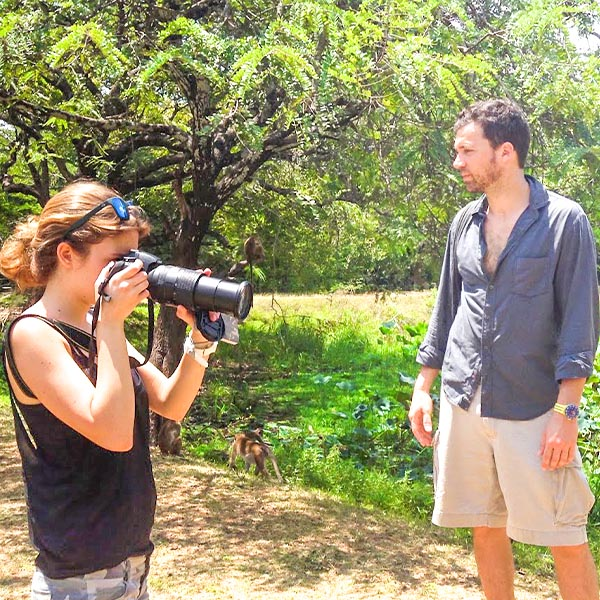
A female traveler captures incredible wildlife moments, photographing playful toque macaques in their natural habitat. Keep your camera ready to snap these curious, expressive primates during your Yala safari adventure!
FAQ-Yala National Park Safari
On average, a half-day Yala safari costs between $65 to $95 USD per person, which includes the official park entry ticket, service fees, taxes, and a shared or private 4×4 jeep hire. (See our full price breakdown above for detailed ticket rates)
Yes, Yala is safe for travelers of all ages. Visitors remain inside sturdy, high-clearance 4×4 safari jeeps throughout the drive, and professional drivers follow strict safety distance guidelines around wild animals. Just remember to bring sun protection, water, and light snacks for younger kids.
There are accommodation options near Yala to fit every budget and travel style:
Tissamaharama (Tissa): This is the main gateway town and the best option for budget to mid-range travelers. It offers plenty of guesthouses, small hotels, and easy access to local restaurants and the beautiful Tissa Wewa lake.
Park Border & Palatupana (Luxury & Glamping): If you want to wake up surrounded by nature, the immediate buffer zone of the park is home to incredible luxury eco-resorts and tented camps (like Jetwing Yala, Cinnamon Wild Yala, and Wild Coast Tented Lodge). It is common to see wild boars or monkeys right outside your room!
Kataragama or Kirinda: Stay here if you want to seamlessly combine your wildlife safari with visits to sacred temples or quiet coastal beaches.