


Discover authentic sustainable travel in Sri Lanka. We offer eco-friendly tour packages that support local communities and protect nature. By choosing responsible tourism, you ensure that your visit directly protects the island’s breathtaking landscapes, empowers local communities, and helps its rich cultural heritage thrive for generations to come.
Sustainable travel is a mindful approach to exploring, one that minimizes environmental impact while supporting local economies and respecting cultural heritage. By making intentional choices, you help ensure that the destinations you visit remain vibrant and authentic for future generations. Ultimately, this practice transforms a standard vacation into a reciprocal relationship, allowing you to gain a much deeper, more meaningful connection to the people and places you discover.
Rather than simply passing through a location, sustainable travel emphasizes:
Environmental Stewardship: Taking active steps to reduce your carbon footprint, minimize waste, and protect the delicate ecosystems and natural resources of the areas you visit.
Economic Empowerment: Ensuring that your travel spending directly supports local businesses, artisans, and community-led initiatives, helping tourism dollars stay within the destination to build local prosperity.
Cultural Preservation: Approaching local traditions, customs, and sacred sites with genuine respect and awareness, ensuring that your presence helps celebrate and protect cultural heritage rather than commodifying or eroding it.
Ultimately, sustainable travel transforms a standard vacation into a reciprocal relationship. By making intentional choices, you help ensure that the places you love remain vibrant, healthy, and authentic for generations to come, while also gaining a much deeper, more meaningful connection to the destination and its people.
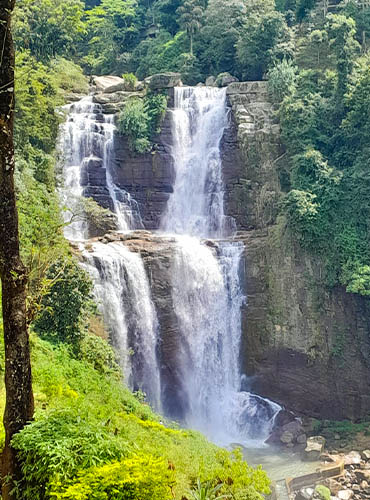


Responsible tourism goes far beyond the surface level of a typical visit; it is fundamentally about leaving a positive mark on every destination you explore. To elevate your next trip into an eco-conscious adventure, please consider incorporating these impactful practices
For wildlife encounters: prioritize parks that operate with strict, non-intrusive protocols. Avoid any venues offering activities like elephant riding or forced animal performances.
Support the Local Economy: Staying in locally-owned guesthouses or eco-lodges is a great way to support the local economy and ensure your spending directly benefits the community.
To help with zero-waste habits, carry a reusable water bottle and shopping bag; this helps minimize the single-use plastics that challenge island ecosystems.
Consider "Slow Travel" by train—such as the iconic Kandy-to-Ella route—to reduce your carbon footprint while enjoying more immersive, scenic views of the countryside.
Always show respect at cultural sites by dressing modestly, removing footwear as requested, and asking for permission before photographing residents.
A sustainable travel plan is a way to travel with awareness and responsibility to reduce the environmental impact of visiting a destination. The main focus of the activities in discovering the place while supporting the local communities is sustainability. Choosing eco-friendly lodging and traveling with a lower carbon footprint.
Turn your journey into part of the adventure by choosing lower-impact transportation. Embracing public transit—such as the island’s iconic scenic trains or local buses—significantly reduces your carbon footprint compared to renting a private vehicle. Beyond the environmental benefits, these options provide a more authentic, immersive experience of the Sri Lankan countryside. For shorter distances, consider prioritizing walking or cycling. Not only are these the most sustainable ways to explore local towns, but they also allow you to move at a slower, more rewarding pace
Cycling is one of the most eco-friendly ways to navigate Sri Lanka, offering a uniquely intimate perspective on the island’s landscapes. By choosing two wheels, you achieve a zero-emission footprint, bypassing the congestion and pollution associated with motorized transport.
Beyond its environmental benefits, cycling encourages "slow travel," allowing you to pause for local discoveries, connect with rural communities, and enjoy the sights and sounds of the countryside at your own pace. It is a quiet, non-intrusive mode of exploration that honors the tranquility of nature while providing a rewarding, active connection to the places you visit.
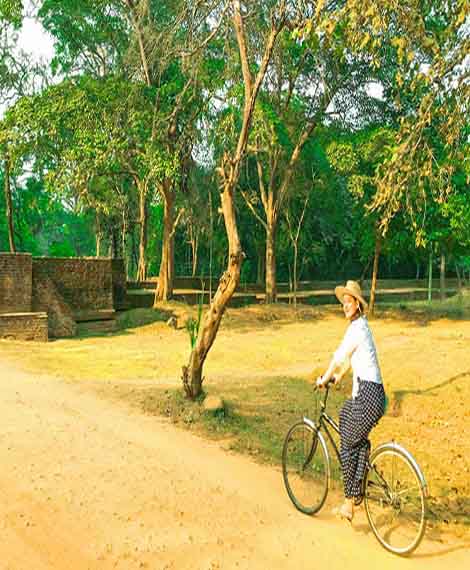
Travel is about the journey, not just the destination. You can significantly lower your carbon footprint by being mindful of how you navigate the island. Whenever possible, choose collective transit like trains and public buses; these options move more people with far fewer emissions than private cars.
For shorter distances within towns, prioritize walking or cycling. These zero-emission methods not only protect the environment but also allow you to experience the sights, sounds, and local life of Sri Lanka at a much more meaningful and intimate pace.
True sustainability thrives when tourism dollars directly benefit the people who call the island home. By prioritizing local experiences, you ensure your travel has a positive, long-term impact on the community.
Stay Local: Opt for family-run guesthouses, homestays, or community-based eco-lodges. These accommodations typically keep revenue within the local economy and often employ staff from the surrounding villages.
Shop with Artisans: Purchase souvenirs directly from local crafters and village cooperatives. This ensures fair wages for the makers and helps preserve traditional arts and techniques that might otherwise disappear.


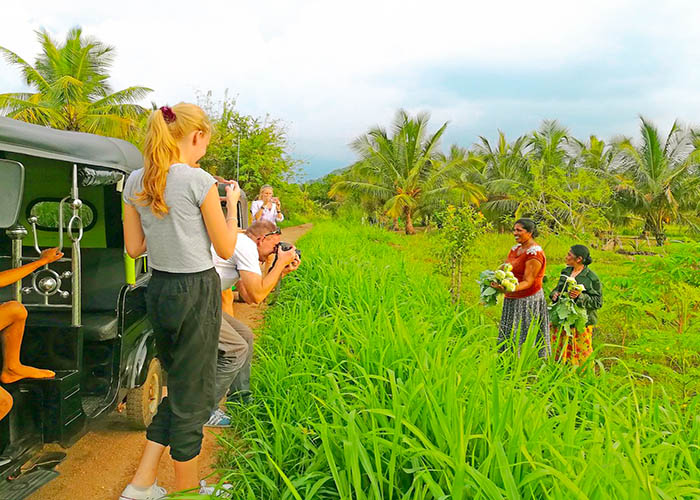
Engage Thoughtfully: Participate in community-led tours or workshops, such as traditional cooking classes or craft demonstrations.
These activities offer a deeper connection to the culture while providing a direct, meaningful income stream for local families and guides.

To experience the true heart of Sri Lanka, look beyond the typical tourist path. Cultural immersion is about meaningful, respectful engagement that celebrates local traditions.
Participate in Local Traditions: Join workshops on traditional crafts, such as mask carving or batik making, or take a cooking class in a family home to learn the secrets of authentic Sri Lankan spices and recipes.
Support Community Festivals: Attend local community events or religious festivals with an open heart. These are the best opportunities to witness the island’s vibrant heritage, but always observe with modesty and ask before taking photos.
Engage with Local Guides: Hire community-based guides for temple visits or village walks. Their firsthand knowledge provides deep context and historical insights that you won’t find in a guidebook, while your support directly sustains their livelihood.
Respect Cultural Boundaries: When visiting sacred sites, always dress modestly, remove footwear, and adhere to local etiquette. Remember that these are living, breathing spaces of worship, not just landmarks, and your respectful presence ensures these customs continue to flourish.
Practice "Leave No Trace": Whether you are hiking through a national park or visiting a public beach, always pack out everything you pack in. Never leave trash behind, and avoid picking flowers or disturbing wildlife habitats.
Opt for Reef-Safe Sunscreen: Many standard sunscreens contain chemicals that damage coral reefs and marine life. Choose "reef-safe" or mineral-based alternatives when swimming or snorkeling in Sri Lanka's coastal waters.
Conserve Water and Energy: Sri Lanka’s natural resources are precious. In your hotel or guesthouse, be mindful of water usage, turn off air conditioning and lights when leaving your room, and avoid unnecessary laundry.
Reduce Plastic Dependency: The island faces significant challenges with plastic waste. Minimize your footprint by carrying a high-quality reusable water bottle—many local cafes offer free or low-cost refill stations—and bringing a reusable cloth bag for your market visits.
Choose Environmentally Conscious Operators: When booking activities, prioritize companies that demonstrate a commitment to sustainability, such as those that use solar power, support conservation projects, or strictly enforce "no-feed, no-touch" wildlife policies.
Respect Wildlife Boundaries: Always maintain a respectful distance from animals. Never attempt to feed wildlife, as it disrupts natural behaviors and can be dangerous for both the animals and humans.

Eco-tourism in Sri Lanka is more than just sightseeing; it is a commitment to the long-term preservation of the island's unique biodiversity. By choosing nature-based experiences that prioritize conservation over consumption, you directly support the protection of critical habitats.
Prioritize Low-Impact Operators: Choose safari operators, tour guides, and eco-lodges that are certified for their environmental management. Look for those that implement waste-reduction programs, use renewable energy, and actively contribute to local conservation research.
Support Protected Areas: Your entrance fees to national parks and reserves provide essential funding for park rangers, anti-poaching efforts, and habitat restoration. By visiting these areas responsibly, you help validate their economic value, which encourages the government to continue protecting them.
Respect Wildlife in Its Element: The golden rule of eco-tourism is "observe, don't disturb." Maintain a respectful distance, keep noise levels low, and never participate in activities that involve feeding, touching, or habituating wild animals to humans.
Minimize Resource Depletion: Many eco-lodges are situated in ecologically sensitive areas. Be conscious of your consumption of limited resources like fresh water and electricity, opting for accommodations that employ sustainable practices such as rainwater harvesting and solar lighting.
Leave No Trace: Ensure that your visit leaves the environment exactly as you found it. This means carrying all your waste out of parks, avoiding the use of single-use plastics, and sticking to marked trails to prevent soil erosion and damage to native flora.
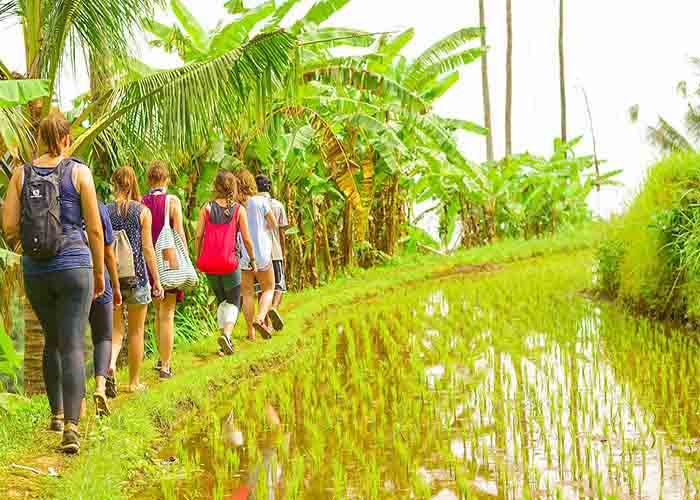

Sri Lanka’s natural beauty is best protected by minimizing the waste we leave behind. By shifting from a "disposable" mindset to a conscious one, you can help preserve the island’s pristine beaches, jungles, and villages.
Bring Your Essentials: Start by packing a reusable water bottle, a travel-friendly metal or bamboo straw, and a collapsible cloth bag for groceries or souvenirs. Keeping these in your daypack ensures you’re prepared for spontaneous market visits or local street food.
Utilize Refill Stations: Many eco-conscious cafes, hotels, and guesthouses across the island now provide filtered water refills. Don’t hesitate to ask your hosts if they offer this—it’s a great way to avoid buying single-use plastic bottles.
Opt for Plastic-Free Dining: When grabbing takeaway meals, decline plastic utensils and unnecessary wrappers. If you are staying at a homestay, enjoy your meals on-site to reduce the need for single-use containers entirely.
Refuse and Reuse: Be mindful of "convenience" items. Politely refuse plastic bags at shops and plastic-wrapped toiletries in hotels. Opting for solid shampoo bars or soap—which require no plastic packaging—is an easy way to further lighten your footprint.
Practice Responsible Disposal: While infrastructure varies, do your best to dispose of waste in designated bins. If you are in a remote area, such as a nature reserve, follow the "pack it in, pack it out" rule: anything you bring into the wilderness should leave with you to be disposed of properly at your accommodation.