
Ultimate Guide to Horton Plains National Park: World’s End, Baker’s Falls & Hiking Tips
Nestled in Sri Lanka’s central highlands at an elevation of over 2,100 meters, Horton Plains National Park is a UNESCO World Heritage Site renowned for its mist-shrouded grasslands and cloud forests.
Furthermore, this high-altitude sanctuary harbors rich biodiversity, including endemic Sambar deer, rare leopards, and native birds.
Home to Sri Lanka’s second and third-highest peaks—Kirigalpoththa and Thotupola Kanda—the park’s ultimate highlight is World’s End, a staggering 870-meter vertical precipice offering breathtaking panoramic views. Horton Plains is a must-visit destination for hikers, nature lovers, and adventure seekers.
History of Horton Plains National Park: From Colonial Hunting Grounds to UNESCO Sanctuary
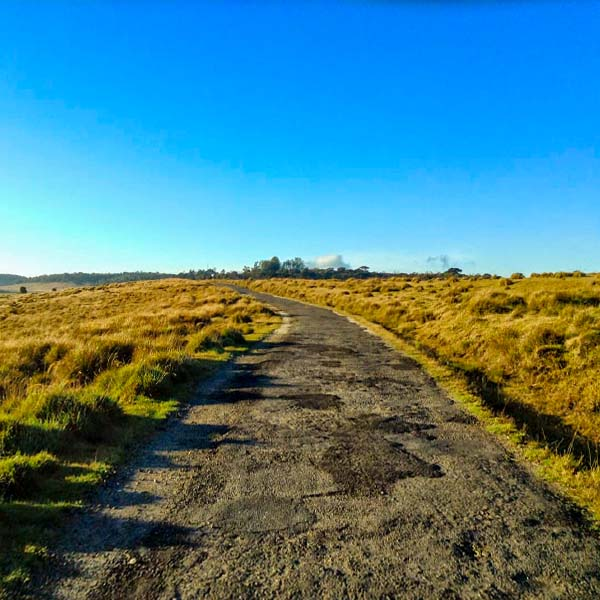
Interestingly, long before it ever appeared on travel maps, local villagers called this sweeping plateau Maha Eliya—literally meaning “The Great Open Plain.”
That quiet isolation shifted in the 1830s when British colonizers arrived in the central hills. The region was renamed after Sir Robert Wilmot Horton, who governed Ceylon from 1831 to 1837. In those early colonial decades, the misty plains were treated largely as a big-game hunting ground. Tragically, intense hunting wiped out the entire native elephant population on the plateau by the 1940s.
Fortunately, the story took a sharp turn toward conservation in the mid-20th century:
- 1969: Recognizing its ecological importance, Sri Lanka declared the plains a protected wildlife sanctuary.
- 1988: 1988: The territory was officially designated as Horton Plains National Park, shutting down destructive human activity for good.
- 2010: UNESCO formally added Horton Plains—along with Peak Wilderness and the Knuckles Mountain Range—to the World Heritage list under the Central Highlands of Sri Lanka.
Geography & Unique Ecology
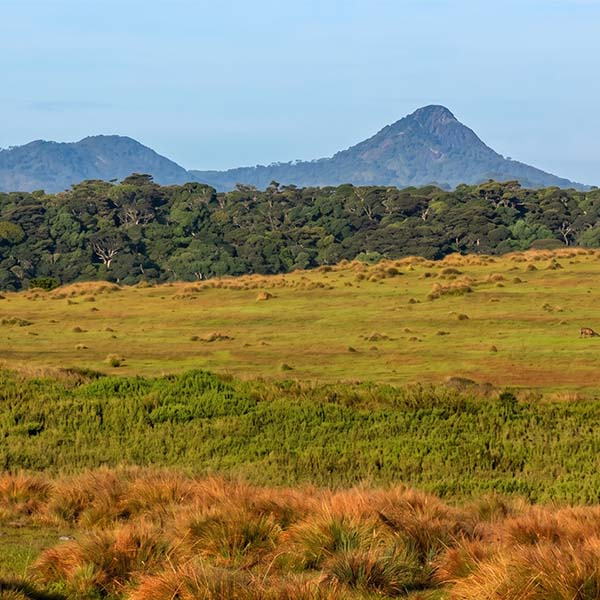
The moment you step onto Horton Plains, it’s easy to forget you’re on a tropical island. Perched at an altitude of over 2,100 meters (nearly 7,000 feet), the plateau feels like a completely different world—cool, brisk, and frequently wrapped in rolling mountain mist.
What Makes the Landscape Special?
- Giant Mountain Neighbors: The plateau sits directly in the shadow of Sri Lanka’s second and third highest peaks: Kirigalpoththa (2,389 m) and Thotupola Kanda (2,357 m).
- Distinct Red-Yellow Earth: Beneath your boots, you’ll notice the striking reddish-yellow soil. It’s acidic and nutrient-poor, which is why only highly specialized high-altitude flora can survive here.
- Wind-Sculpted Cloud Forests: Because relentless ridge winds sweep across the open grasslands, the trees here don’t grow tall. Instead, you’ll see gnarled, dwarf-like trees covered in mosses and rare wild orchids, looking almost like a scene straight out of a fantasy novel.
Top Highlights & Places to Visit
The park features a well-marked 9 km (5.5 mile) circular loop trail that takes around 3 to 4 hours to complete. The primary attractions along this route include:
1. Mini World’s End
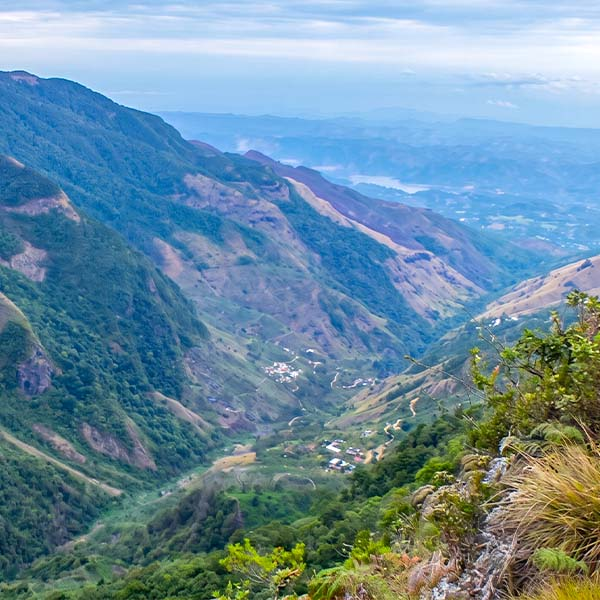
As a starting point,think of this as your appetizer before the main event. Located about halfway into the trek toward the big cliff, Mini World’s End drops down a sudden 270 meters (885 feet). It’s a fantastic spot to pull out your camera, catch your breath, and get a feel for how high up you really are.
2. World’s End Sri Lanka
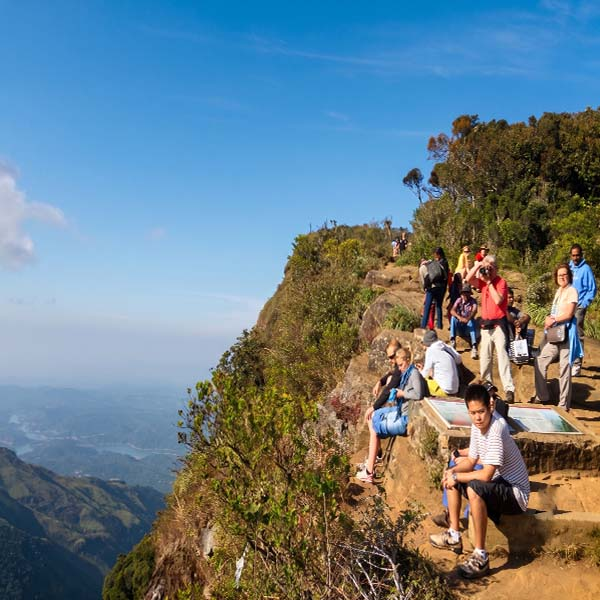
This is the moment everyone comes for. Standing at the edge of World’s End, the ground simply stops, dropping 870 meters (2,854 feet) straight down into the southern valley below.
Local Insider Tip: On clear early mornings, you can look straight past the tea plantations of Balangoda and see all the way to the southern coastline and Udawalawe reservoir.
Therefore, don’t linger too long—around 9:30 AM, a dramatic wall of thick white fog usually rolls up from the valley, swallowing the entire view in minutes!
3. Baker’s Falls Hike
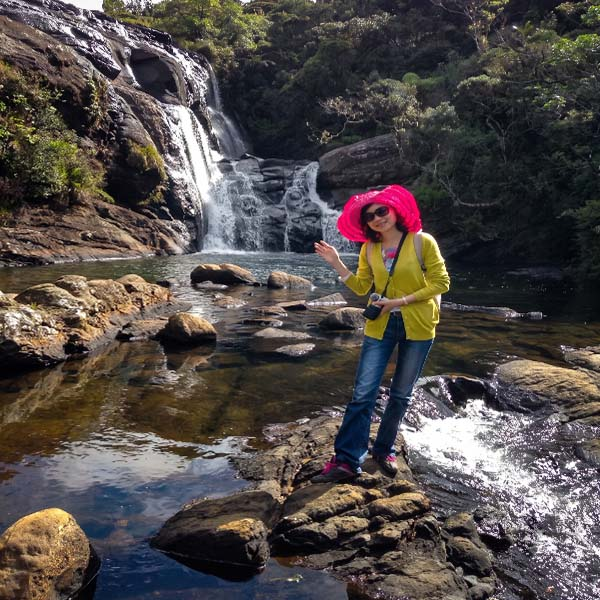
Tucked away down a side branch of the main trail, this roaring 20-meter waterfall is named after Sir Samuel Baker, a British explorer who frequented the area in the 19th century. Fed by the crystal-clear Belihul Oya stream, the waterfall is surrounded by wild rhododendrons and lush highland ferns.
To reach the viewing deck, you’ll head down about 50 steep, uneven stone steps. It’s a bit of a leg workout climbing back up to the main loop, Nevertheless, listening to the water rush over the granite rocks makes it completely worthwhile.
Wildlife Spotting at Horton Plains
Horton Plains National Park hosts 24 mammal species, 87 bird species, 9 reptile species, and 8 amphibian species.
- Sambar Deer (Rusa unicolor): Large herds of Sambar deer graze freely near the park entrance, especially during early morning and late afternoon.
- Sri Lankan Leopards: Though elusive and nocturnal, leopards inhabit the park. Sightings occur occasionally near dense jungle boundaries.
- Endemic Birds: A birdwatcher’s paradise—look out for the Sri Lanka Whistling Thrush, Sri Lanka Bush Warbler, Yellow-eared Bulbul, and the Dull-blue Flycatcher.
- Historical Note on Elephants: Elephants roamed these plains during the early 20th century, but hunting and habitat conversion caused them to vanish from the area around the 1940s.
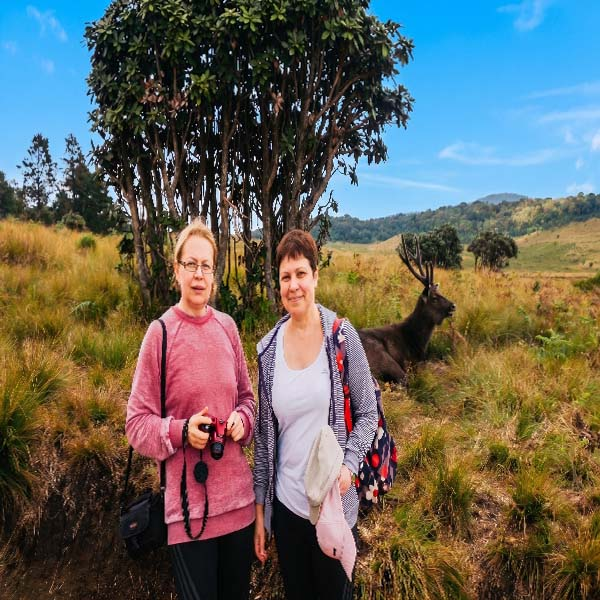
Hiking Trail & Visitor Advice– Essential Advice for Hikers
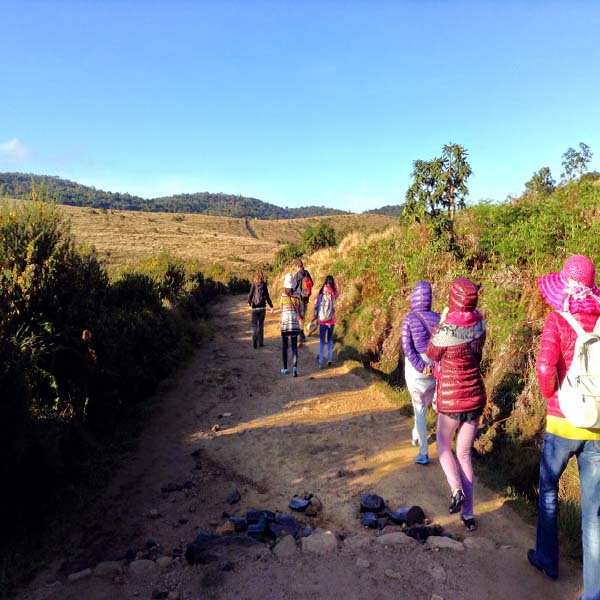
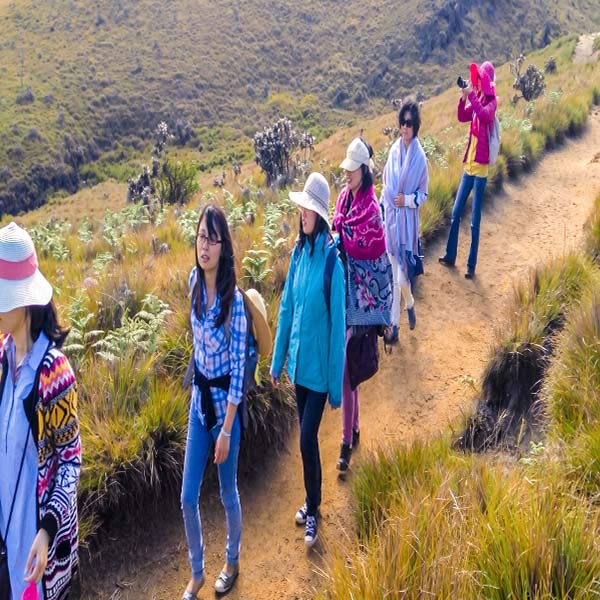
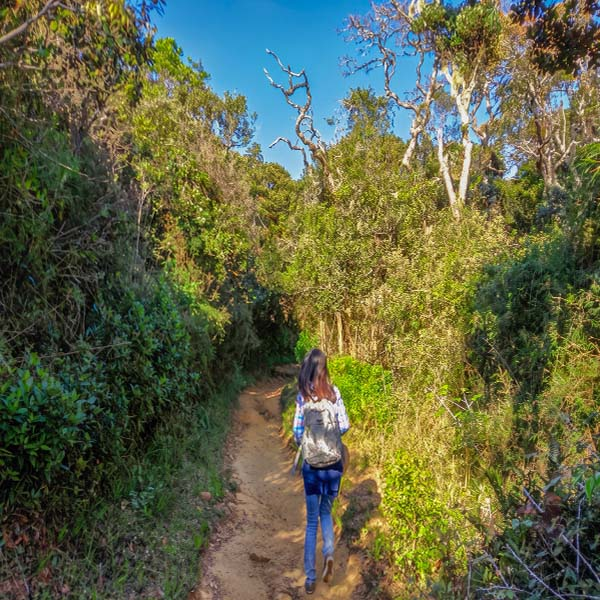
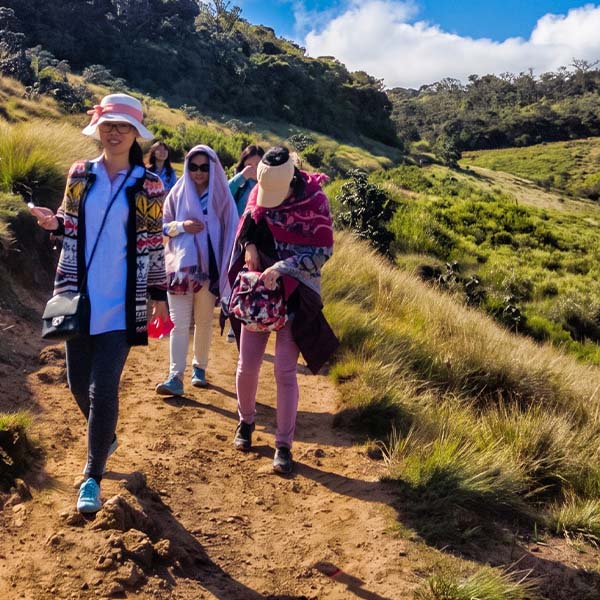
To make sure your hike goes smoothly without any unexpected hiccups at the gate, keep these hard-learned tips in mind:
1. Be at the Gate by 6:00 AM
I can’t stress this enough: early timing is everything here. Specifically,starting your hike around 6:00 AM to 7:00 AM gives you crisp daylight, great wildlife encounters (Sambar deer are most active early), and—most importantly—guarantees you get to World’s End before the cloud cover settles in.
2. Prepare for the Strict Plastic Inspection
Sri Lanka’s Wildlife Department takes park protection very seriously. Rangers will inspect your backpack at the entrance. Single-use plastic bottles, polythene bags, and disposable snack wrappers are strictly banned.
- Transfer your snacks into reusable Tupperware or cloth bags before you arrive.
- Bring a refillable stainless steel or hard plastic water bottle.
3. Dress in Layers (It’s a Two-Climate Hike!)
When you arrive at 6:00 AM, the temperature can hover around 8°C to 10°C (46°F–50°F) with a bite in the wind. But by 11:00 AM, the equatorial sun beating down on open plains will make it feel much warmer.
- Wear a light fleece or windbreaker jacket over a breathable t-shirt so you can shed layers as the day heats up.
- Don’t forget sunscreen and a hat—there is very little shade across the open grasslands.
4. Wear Shoes with Solid Grip
The trail isn’t a paved sidewalk; it’s a natural mountain path. You’ll navigate exposed tree roots, loose gravel, and slippery wet stones near Baker’s Falls. Leave sneakers with smooth soles at hotel rooms and opt for sturdy trainers or light hiking shoes.
Visitor Information: Hours & Fees
| Detail | Information |
| Opening Hours | 6:00 AM – 6:00 PM (Daily) |
| Best Time to Hike | 6:00 AM to 10:00 AM |
| Visitor Center | Horton Plains Visitor Information Center & Museum near the entrance gate |
| Ticket Rates | Standard foreign adult entrance fees apply (approx. $25–$30 USD per person including taxes & vehicle service charges) |
| Main Trail Loop | 9 km circular trail (~3 to 4 hours) passing Mini World’s End, World’s End, and Baker’s Falls |
| Entry Gates | Pattipola Entrance (via Nuwara Eliya) or Ohiya Entrance |
| Drone Policy | Strictly prohibited to protect wild animal habitats and nesting birds. |
Official information and e-permits for Horton Plains National Park in Sri Lanka are managed by the Department of Wildlife Conservation (DWC) through Sri Lanka’s central government eServices portal
Onward Travel Plan: Train to Ella
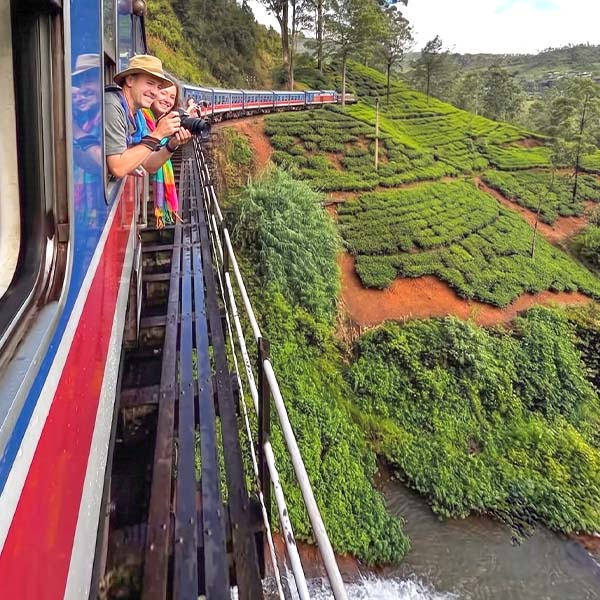
After completing the morning loop hike at Horton Plains National Park, head to the nearby Pattipola Railway Station (the highest railway station in Sri Lanka) or Ambewela Railway Station.
From here, board the famous hill country train heading east toward Ella. This rail journey passes through tea plantations, mist-covered valleys, and mountain tunnels, completing a classic Sri Lankan day trip
Frequently Asked Questions (FAQ)
The circular trek to World’s End and Baker’s Falls covers approximately 9 kilometers and takes most visitors between 3 to 4 hours at a moderate walking pace
While Sri Lankan leopards reside within the national park, they are elusive and rarely spotted along the main hiking loop during peak visitor hours.
Yes, the main circular trail consists of relatively flat dirt paths and minor rock staircases. However, visitors should be prepared for 9 km of continuous walking.