
Gange Wadiya Sri Lanka: Complete Guide to the Kala Oya Delta
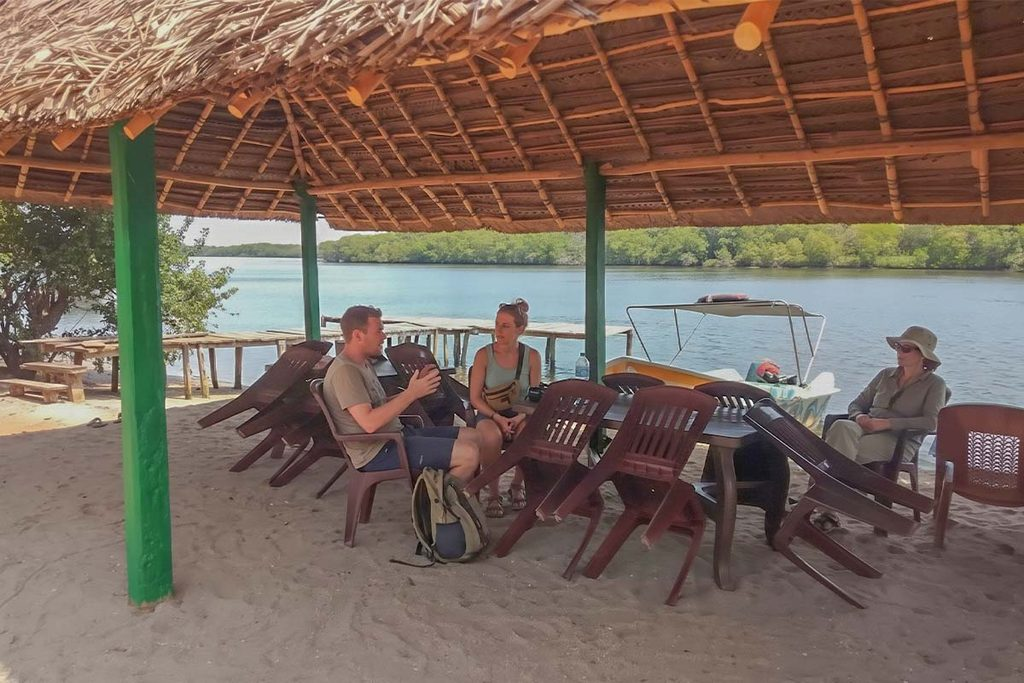
Gange Wadiya, Sri Lanka, is an eco-tourism hamlet in the northern Puttalam District. It sits along Mannar Road, just past the Eluwankulama Bridge (Sapaththu Palama). This picturesque village lies at the delta where the Kala Oya meets the sea.
Bordered by Wilpattu National Park, the Puttalam Lagoon, a rich Villu ecosystem, and the Virakkodichole area, Gange Wadiya is the ecological heart of Wanathavilluwa. As an Environmentally Sensitive Area (ESA), it features diverse natural ecosystems:
The area forms the western boundary of Wilpattu National Park. It features diverse natural habitats:
Mangrove Forests & Kumbuk Trees:
Dense belts border Dutch Bay. Native Kumbuk trees line the inland riverbanks.
Coastal Ecosystems:
The region includes sea-grass beds, salt marshes, and sand dunes. These zones shelter local wildlife.
Coastal Ecosystems:
The region encompasses sea-grass beds, salt marshes, and natural sand dunes that shelter endemic wildlife.
Aquatic Biodiversity:
This traditional fishing village supports rich populations of freshwater and lagoon fish.
Top Activities on a Gange Wadiya River Safari in Sri Lanka
1. The Kala Oya River Cruise and Safari
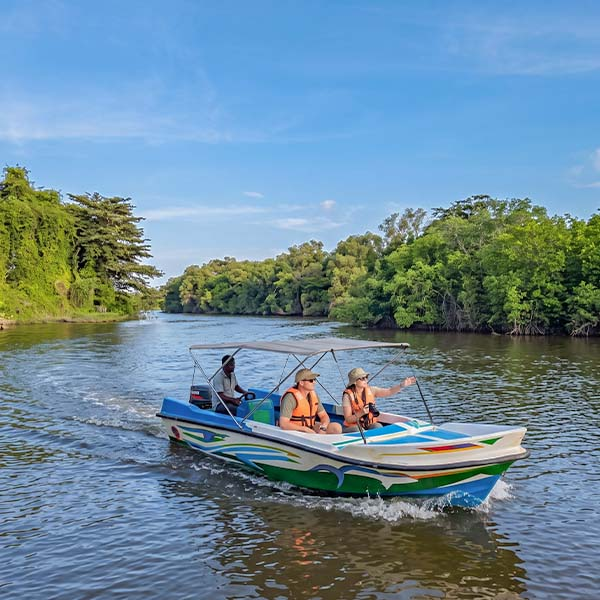
Travelers experience Gange Wadiya via a 3- to 4-hour river cruise. Boats depart from the village or Kalpitiya Lagoon and navigate the Kala Oya delta.
People often call this journey the “Amazon Cruise of Sri Lanka.” The safari glides through lush mangrove corridors toward the popular Eluwankulama camping site.
2. Kayaking along the Wilpattu Border
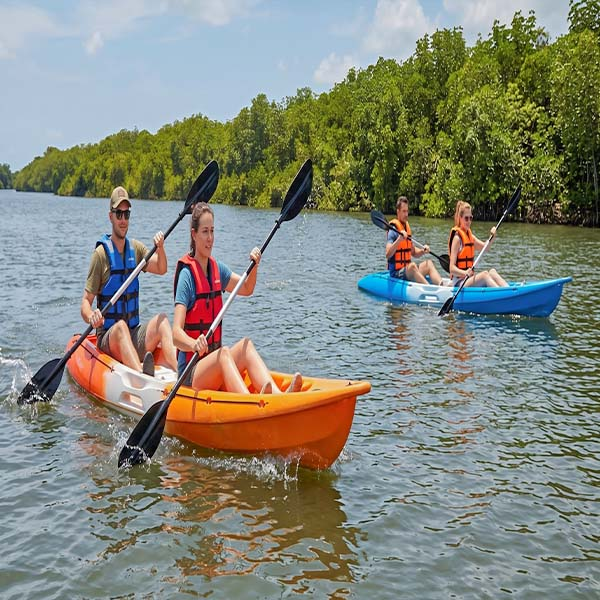
Active travelers enjoy kayaking in Gange Wadiya. Paddlers navigate the calm waters of the Kala Oya. They enjoy scenic views along the boundary of Wilpattu National Park.
3. Wilpattu Jeep Safaris
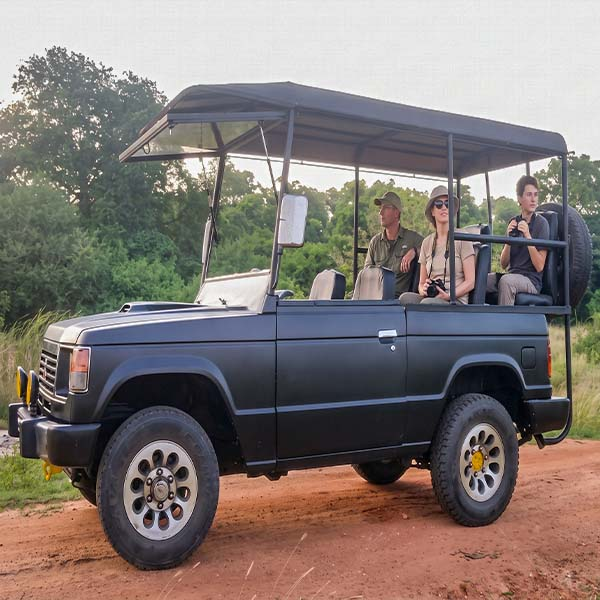
Gange Wadiya sits directly across the park boundary. It serves as a convenient gateway for wildlife fans.
Visitors easily pair a morning river safari with an afternoon jeep safari. They enter Wilpattu National Park through the Eluwankulama gate.
4. Wilderness Night Camping
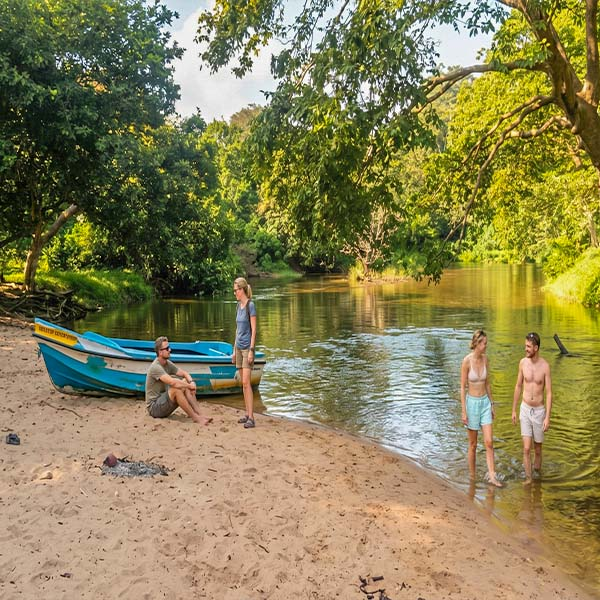
Overnight camping happens along the sandy banks of the Kala Oya. Popular spots include Kumbukgaha Walla.
Wild Elephant Sightings:
Elephants frequently roam near the village and riverbanks after dark.
Regulations: Wildlife Department rules require an experienced local guide for overnight stays.
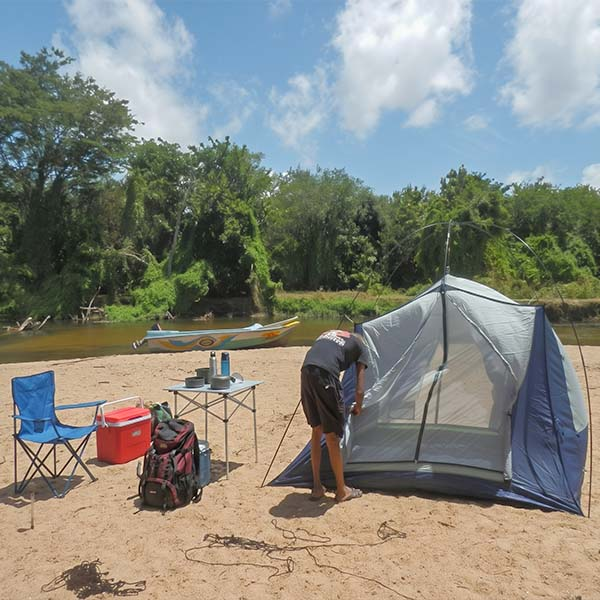
The Ancient Giant Baobab Tree:Kala Oya river cruise
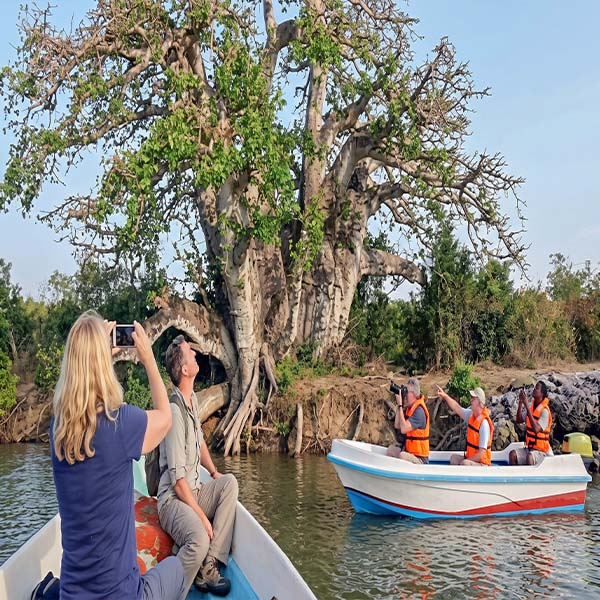
A highlight of any Gange Wadiya tour is Sri Lanka’s largest known Baobab tree. It stands on the western edge of Wilpattu along a tributary of the Pomparippu Aru. This massive specimen has a trunk circumference exceeding 15 meters.
Key Facts About the Kala Oya Baobab:
- How to Reach: Visitors take a 30- to 40-minute boat cruise through the Gange Wadiya water basin.
- Botanical Rarity: Locals call it Ali Gaha (Elephant Tree). Baobabs are native to Africa, Madagascar, and Australia. This riverbank tree remained hidden for centuries.
- Unique Features: These trees live for over a thousand years. They store liters of water in thick trunks to survive dry seasons. They bear large white flowers and produce “monkey bread” fruit.
How to Get There
- By Road: Drive north from Puttalam along Mannar Road. Cross the Eluwankulama Bridge (Sapaththu Palama). Follow signs toward the Kala Oya delta.
- By Boat: Book a dedicated boat excursion from the Kalpitiya Peninsula or Dutch Bay. Navigate straight up the Kala Oya.
FAQ: Gange Wadiya Sri Lanka
Gange Wadiya is a remote eco-tourism hamlet and fishing village situated in the northern Puttalam District along Mannar Road, just past the Eluwankulama Bridge (Sapaththu Palama).
It sits directly at the delta where the Kala Oya meets Dutch Bay and forms the western boundary of Wilpattu National Park.
Often referred to as the “Amazon Cruise of Sri Lanka,” the 3- to 4-hour river safari takes travelers through dense mangrove corridors, calm water channels, and lush Kumbuk-lined riverbanks.
Along the way, visitors frequently spot crocodiles, diverse waterbirds, and occasionally wild elephants coming down to drink.
Yes. Because Gange Wadiya sits right on the park’s border near the Eluwankulama gate, it serves as an ideal gateway for combining activities.
Many travelers pair a morning boat cruise or kayaking session on the Kala Oya with an afternoon 4×4 jeep safari inside Wilpattu National Park.
Located along a tributary of the Pomparippu Aru near the western edge of Wilpattu, this massive specimen is Sri Lanka’s largest known Baobab tree (Ali Gaha).
Reached via a short boat ride from the Gange Wadiya water basin, it features a thick trunk circumference exceeding 15 meters and is estimated to be over a thousand years old.
The dry season spanning from November to April offers the calmest weather, best water conditions for boating and kayaking, and optimal wildlife viewing.
As an Environmentally Sensitive Area, the Department of Wildlife Conservation (DWC) manages wildlife regulations, park gates (such as Eluwankulama), safari rules, and camping permits along the riverbanks.