
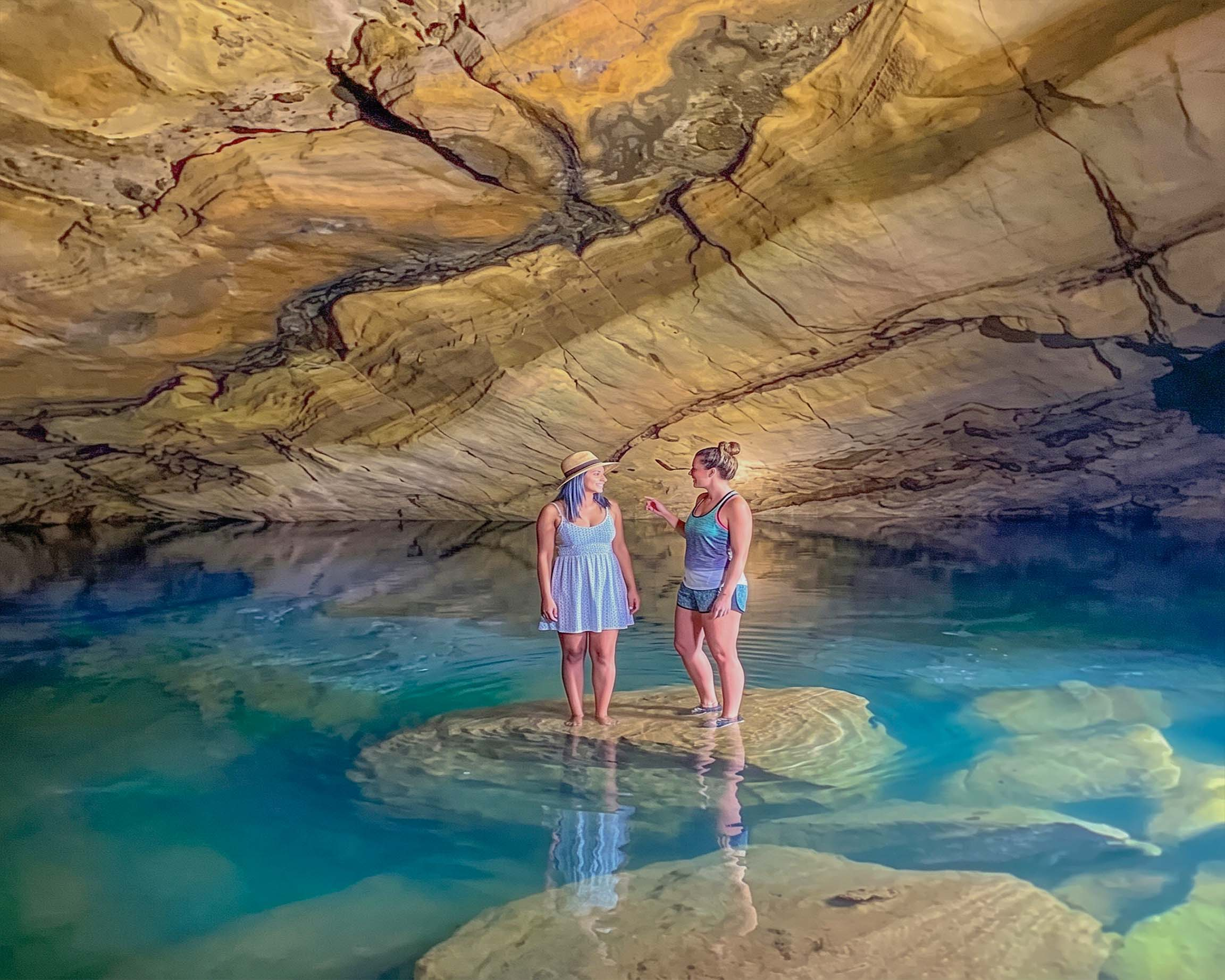
Nil Diya Pokuna Ella: Exploring Sri Lanka’s Hidden Underground Blue Pool
Deep beneath the rolling hills of Karandagolla near Ella lies Nil Diya Pokuna (“Blue Water Pond”)—one of the most thrill-inducing subterranean cave systems in Sri Lanka. Specifically, it is hidden roughly 80 to 100 meters below the surface. Moreover, this underground cavern holds a crystal-clear, glowing blue pool that ultimately feels completely isolated from the rest of the world.
The Ancient Legend of King Ravana
Local folklore closely ties the Nil Diya Pokuna Ella cave to the epic legend of King Ravana. According to local tradition, this cavern was part of a vast underground tunnel system, making it an essential addition to any King Ravana cave trek guide
Traveler Personal Experience: What It’s Actually Like Underground
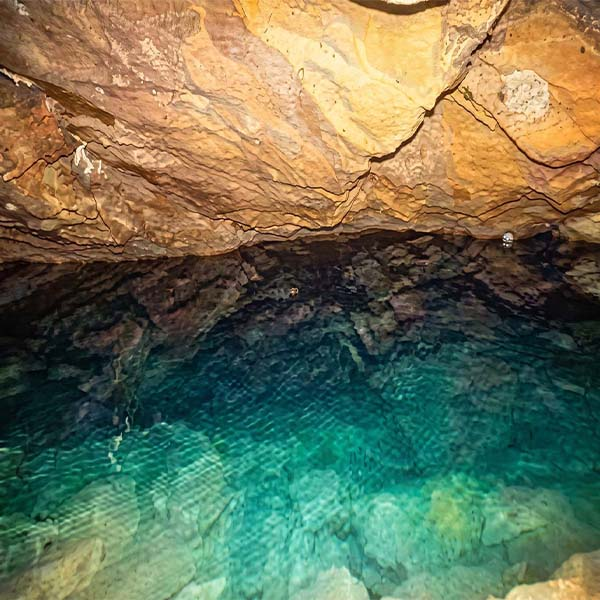
When we first arrived at the trailhead in Karandagolla, I had no idea how intense the climb down would be. Suddenly, stepping out of the bright daylight and into pitch-blackness was an instant adrenaline rush. As a result, reaching the final cavern after navigating narrow rock gaps—and watching our headlamps illuminate the Nil Diya Pokuna Ella pool—truly became one of the most surreal moments of my trip to Sri Lanka. Furthermore, this experience soon became the highlight of my blue water pond Ella travel story.
The Journey Underground: Step-by-Step
Reaching the subterranean pool at Nil Diya Pokuna Ella is a physically demanding adventure that requires patience and agility:
- The Jungle Trailhead: A short 15–20 minute hike through thick forest starting near Karandagolla (about 12 km south of central Ella).
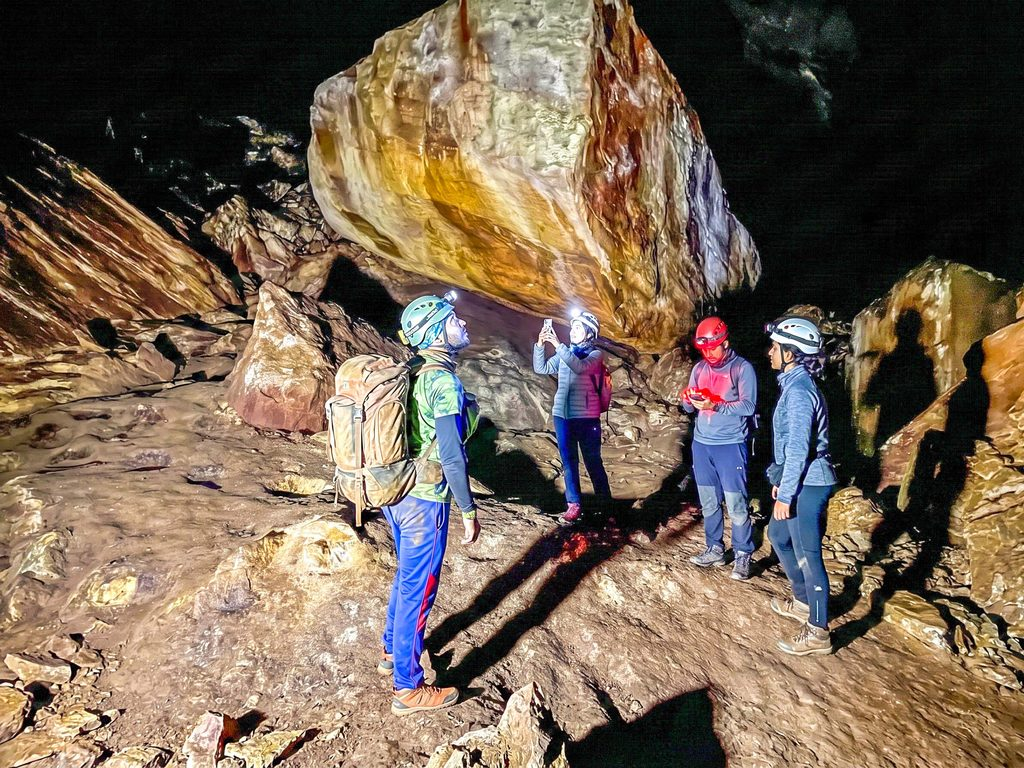
- The Descent into Darkness: Slipping through narrow rock openings, descending metal or rope ladders, and crawling over damp clay rocks in complete dark.
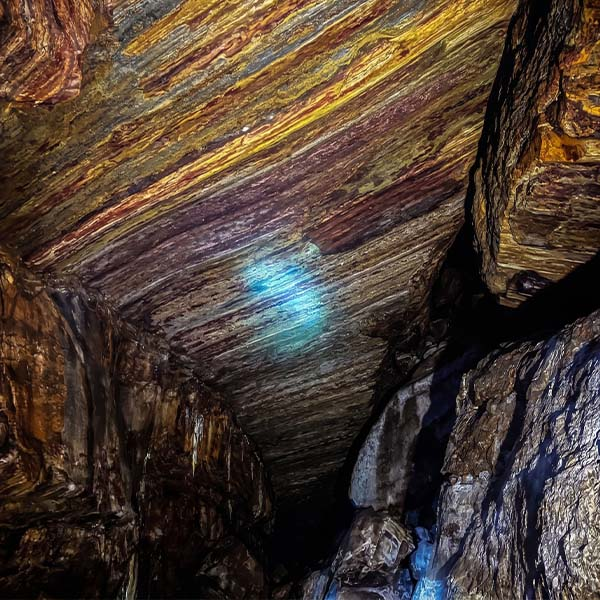
- Reaching the Nil Diya Pokuna Ella: Arriving inside a giant subterranean hall where mineral-rich water sparkles under headlamp light.
Personal Experience King Ravana cave trek guide
The hardest section for me was squeezing through ‘The Squeeze’ gap and sliding down the muddy slope. Consequently, you will get red clay on your clothes, hands, and shoes; therefore, never wear anything you care about keeping pristine!
Nil Diya Pokuna Ella:Key Visitor Details & Travel Breakdown
| Detail | Practical Information | My Personal Take |
| Location | Karandagolla, Wellawaya Road | ~25 minutes by Tuk-Tuk from Ella town |
| Trek Duration | 2.5 to 4 hours round-trip | Plan extra time to sit by the water |
| Guide Fee | LKR 3,000 – 5,000 per group | Essential for safety and equipment |
| Mandatory Gear | High-lumen headlamp, non-slip shoes | Bring a spare handheld torch just in case |
| Best Time | Morning (8:00 AM – 10:00 AM) | Fewer people and cooler trail temperatures |
Top 5 Practical Tips for Visiting Nil Diya Pokuna Ella
- 1. Book a Licensed Local Guide: Do not attempt this climb alone. The cave has multiple dead-end tunnels, drop-offs, and complete pitch darkness. Local guides know every foothold and provide high-powered headlamps.
- 2. Wear Grippy, Closed-Toe Shoes: The rocks inside the cave are coated in wet clay. Hikers must wear running shoes with good tread or hiking shoes; flip-flops or sandals are dangerous.
- 3. Bring a Change of Clothes & Towel:You will get dirty from the clay; consequently, if you choose to dip in the cool water, furthermore, you’ll want fresh clothes for the Tuk-Tuk ride back to Ella.
- 4. Pack Light in a Small Backpack: You need both hands free to hold onto rocks and ropes during the descent. Keep your belongings in a lightweight bag.
- 5. Check Water Safety: Respect the water—don’t jump or dive into the pool as underground rock ledges can be hidden beneath the surface.
Special regulations for Nildiya Pokuna in Ella
The Department of Wildlife Conservation (DWC) actively supervises tourism activities here pursuant to the Fauna and Flora Protection Ordinance.
In addition, the agency serves as the Sri Lankan government body responsible for protecting the country’s wildlife and nature reserves. Therefore, strictly enforcing these rules helps preserve the fragile environment.
Core Role at Nildiya Pokuna
- Enforcement: The DWC enforces the Fauna and Flora Protection Ordinance to protect the underground cave ecosystem from pollution and damage.
- Safety & Guiding: They regulate who can enter the cave and mandate that visitors use registered local guides to prevent accidents in the deep, pitch-black underground networks.
- Habitat Protection: Because the cave is home to unique subterranean biodiversity (like specific bat species), the DWC manages visitor numbers and behaviors to prevent disturbing the wildlife.
Would you like to know about how to contact the local DWC office in Ella, or do you need information on other DWC-protected sites nearby?
Frequently Asked Questions About Nil Diya Pokuna
No, Water Protection: Authorities strictly ban entering the pool’s waters, dumping waste, using detergents, or introducing chemical substances.
Experienced hikers rate this trek as moderate to difficult. It requires physical agility to maneuver through tight rock crevices, climb down steep ladders, and slide down damp, muddy slopes in total darkness.
It is not recommended for young children, older travelers, or anyone suffering from claustrophobia or severe respiratory conditions.
Yes, hiring a local guide is **strictly mandatory**. Darkness, slippery rocks, and unmapped side passages make this cave system easy to get lost in or injured inside. Local guides provide essential safety gear like high-lumen headlamps, lead you along the safest route, and know how to navigate the cave safely.
A local guide usually costs between **LKR 3,000 to LKR 5,000** ($10 – $15 USD) per group, depending on group size and bargaining. This fee generally includes headlamp rentals and full route navigation.
The best time to start the trek is in the **early morning (between 8:00 AM and 10:00 AM)**. Starting early helps you avoid peak humidity during the forest walk, allows you to enjoy cooler temperatures, and avoids potential crowd bottlenecks in narrow cave passages.
Wear dark, comfortable clothes that you do not mind getting stained with wet red clay. Sturdy hiking shoes or sneakers with good rubber grip are essential. Avoid sandals, flip-flops, or light-colored clothing.