
WILPATTU NATIONAL PARK SAFARI GUIDE: ANIMALS & ITINERARY
Planning a trip to Sri Lanka’s northwest coast? If so, Wilpattu National Park is the island’s largest and oldest national park, covering over 1,300 square kilometers (500 square miles). Because it is famous for its unique natural rain-fed lakes called “Villus”, thick dry-zone forest, and thriving wildlife populations, Wilpattu offers a peaceful, uncrowded safari experience, especially when compared to busy southern parks like Yala. Therefore, whether you are looking to catch a glimpse of the elusive Sri Lankan leopard, observe sloth bears, or simply enjoy untouched nature, this comprehensive guide covers everything you need to know before booking your safari.
Where is Wilpattu National Park Located?
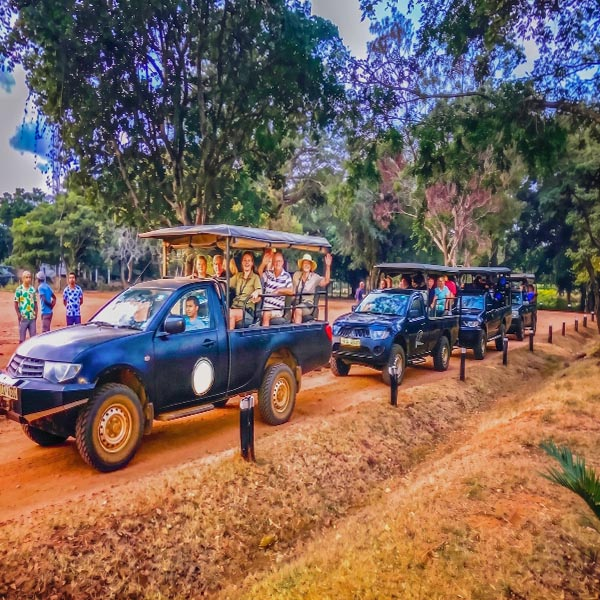
Wilpattu National Park is situated in the northwest coast lowlands of Sri Lanka, straddling the border between the North Central and Northwestern Provinces.
- Main Entrance: Hunuwilgama (near Puttalam / Anuradhapura road)
- Distance from Colombo: ~180 km (about a 4 to 4.5-hour drive)
- Distance from Negombo: ~150 km (about 3.5 hours)
- Distance from Anuradhapura: ~30 km (about 45 minutes)
Its strategic location makes Wilpattu easily accessible whether you are arriving directly from Bandaranaike International Airport or traveling through the Cultural Triangle.
Why Visit Wilpattu National Park?
Wilpattu stands out from other wildlife destinations in Sri Lanka for several distinct reasons
- Less Crowded Safaris: First and foremost, unlike Yala or Udawalawe, where dozens of safari jeeps often line up at a single sighting, Wilpattu offers a quieter, and consequently more intimate wilderness connection.
- Unique “Villu” Ecosystem: Additionally, the park features around 60 natural sand-rimmed water basins called Villus. These freshwater lakes collect rainwater and thus draw diverse birds and animals throughout the day.
- Rich Biodiversity: Furthermore, the dense forest canopy and open lake beds create ideal habitats for big cats, mammals, reptiles, and migratory birds.
- Historic & Cultural Significance: Finally, legend has it that Prince Vijaya landed at Kudiramalai point within Wilpattu over 2,500 years ago, giving the area deep historical value alongside its natural beauty.
National Park Stopover: Connecting Anuradhapura, Trincomalee & Northern Sri Lanka
If your itinerary includes exploring the ancient city of Anuradhapura, heading northeast to the beaches of Trincomalee, or driving further north toward Jaffna, Wilpattu National Park fits perfectly into your travel route.
Ideal Travel Routes:
- Colombo / Negombo → Wilpattu → Anuradhapura: Take a morning safari in Wilpattu on your way to exploring the UNESCO World Heritage ruins of Anuradhapura.
- Cultural Triangle → Wilpattu → Trincomalee: After visiting ancient sites, take a safari break in Wilpattu before relaxing on the east coast beaches of Trincomalee or Nilaveli.
- Way to Northern Sri Lanka: Travelers embarking on extended northern Sri Lanka tours can use Wilpattu as a nature-filled starting point before moving up the peninsula.
Ultimately, combining cultural exploration with a wildlife safari gives leisure travelers a well-rounded Sri Lankan holiday experience without adding extra travel hours.
Popular Wildlife Safari & wilpattu Safari Details
Key Animals to Spot
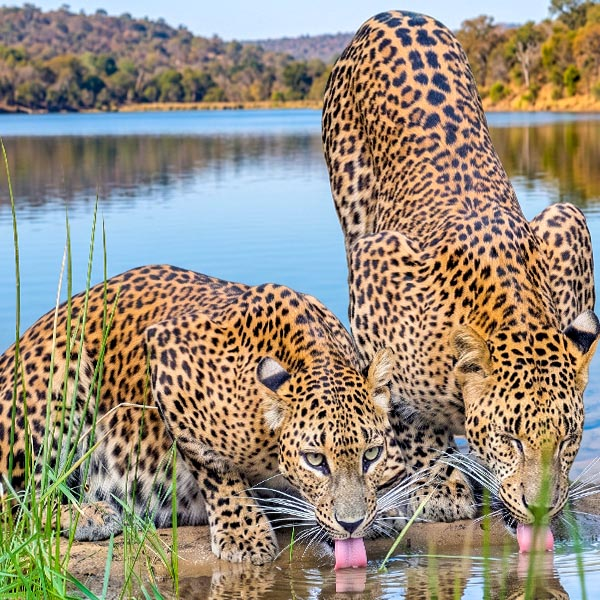
Sri Lankan Leopard (Panthera pardus kotiya): Wilpattu is world-renowned for its leopard population. The white sandy tracks make tracking paw prints an exciting part of the journey.
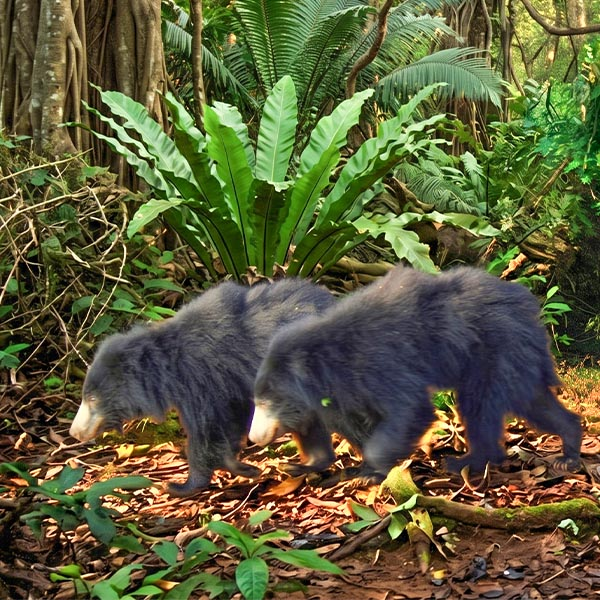
Sri Lankan Sloth Bear
Sri Lankan Sloth Bear: Best spotted during the Palu fruit season (May to July) when bears forage actively around fruit trees.
Asian Elephants
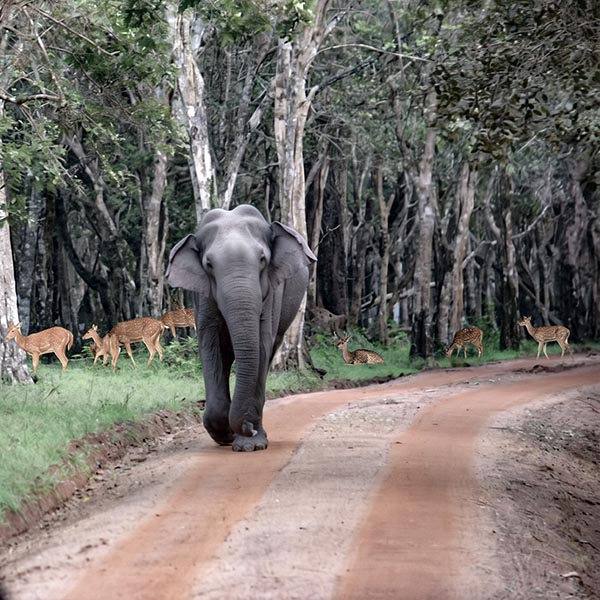
Asian Elephants: Herds and solitary bulls often gather near the larger lakes.
Other Mammals:
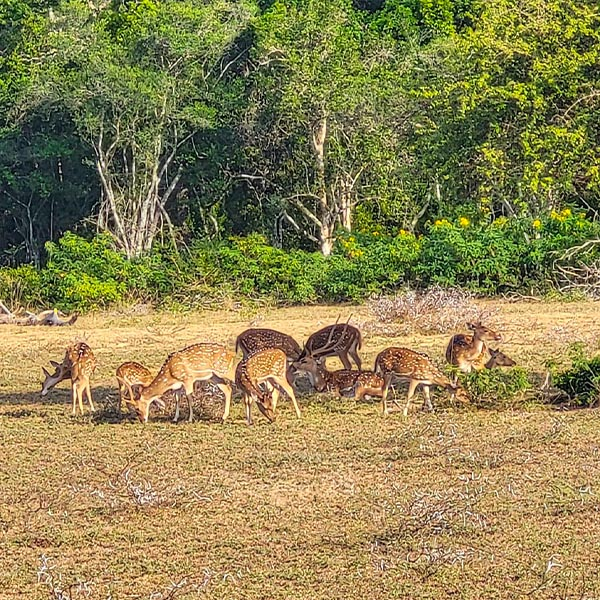
Other Mammals: Spotted deer, sambar deer, wild boar, barking deer, and golden jackals.
Birdlife
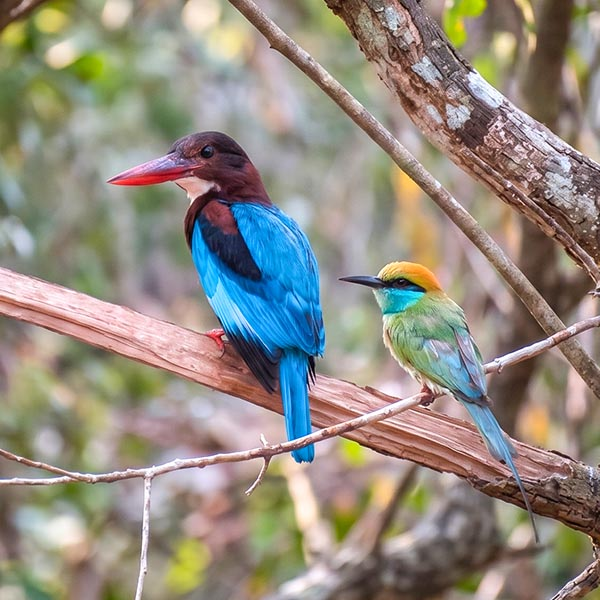
Birdlife: White-bellied sea eagles, Sri Lanka junglefowl, painted storks, crested serpent eagles, and colorful kingfishers.
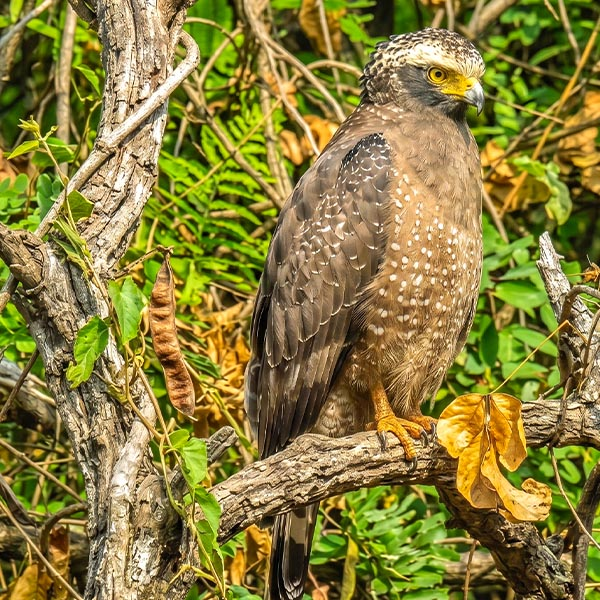
Serpent Eagle
Serpent Eagle:.Observe the majestic Crested Serpent Eagle scanning the forest floor for prey from a high branch in Wilpattu National Park.
Peacock (Indian Peafowl)
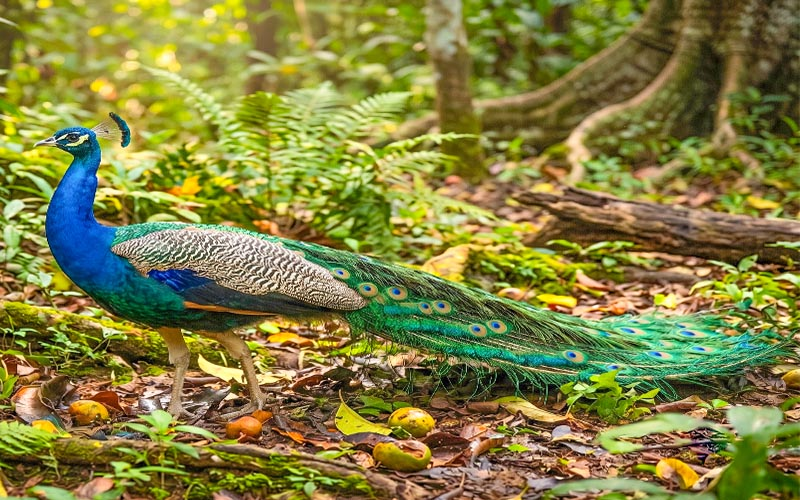
Peacock (Indian Peafowl):Watch the vibrant Indian Peafowl display its stunning, colorful tail feathers amidst the dense green scrublands of Wilpattu National Park.
National Park Safari Timings & Duration
| Safari Option | Timing | Ideal For |
| Morning Safari | 6:00 AM – 10:00 AM | Watching animals wake up, active birdlife, cooler weather. |
| Evening Safari | 2:30 PM – 6:00 PM | Soft golden light, predators moving toward water basins before sunset. |
| Full-Day Safari | 6:00 AM – 6:00 PM | Serious wildlife photographers and dedicated enthusiasts aiming to cover deep forest tracks. |
10-Day Tour Itinerary: Wilpattu & Cultural Highlights
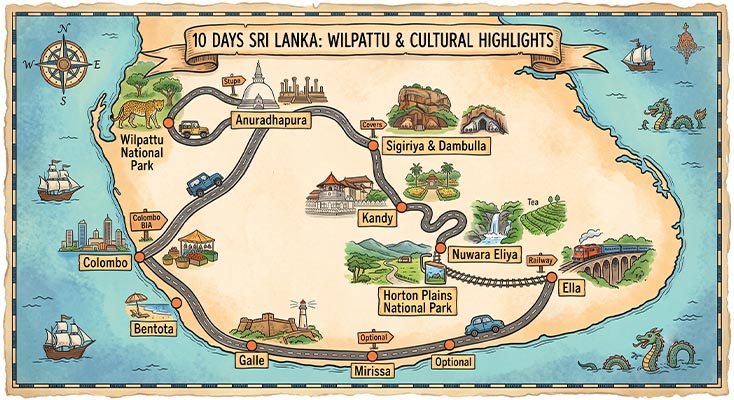
10 Day Sri Lanka Safari Itinerary
Day 01: Arrival at Colombo BIA to Anuradhapura
Arrive at Bandaranaike International Airport and head north directly towards the ancient capital of Anuradhapura. This drive sets the stage for a journey through Sri Lanka’s wildlife, heritage, and lush landscapes.
- Drive Duration: Approx. 3.5 to 4 hours.
- Pro Tip: Settle into your hotel early in the evening to prepare for an early morning safari at Wilpattu.
Day 02: Wilpattu National Park Safari & Anuradhapura
Cultural Tour – Click to open Link for more information
- Morning Safari: Embark on a 4×4 game drive at dawn inside Wilpattu to spot leopards and birdlife in a serene setting away from heavy crowds.
- Afternoon/Evening: Return to Anuradhapura for a guided tour of UNESCO World Heritage stupas, sacred ruins, and the ancient Jaya Sri Maha Bodhi tree.
Day 03: Travel to Kandy via Sigiriya & Dambulla Cave Temple
Click to open Link for more information
Head south into the Cultural Triangle, visiting two iconic historical landmarks before reaching the central hill capital.
- Sigiriya Lion Rock: Climb the 5th-century rock fortress for panoramic views and ancient frescoes.
- Dambulla Cave Temple : Explore complex cave shrines filled with Buddha statues and wall murals.
- Evening: Arrive in the scenic city of Kandy Click to open side panel for more information .
Day 04: Kandy City & Cultural Sightseeing
Click to open Link for more information
Spend the day discovering the royal heritage and natural gardens of Sri Lanka’s hill capital.
- Temple of the Sacred Tooth Relic: Visit the sacred shrine housing the relic of the tooth of the Buddha.
- Royal Botanical Gardens, Peradeniya: Stroll through expansive gardens filled with orchids and giant palm avenues.
- Evening: Watch a traditional Kandyan cultural dance performance around Kandy Lake.
Day 05: Travel to Nuwara Eliya via Tea Country
Click to open side Link for more information
Ascend into the central highlands, often called “Little England,” through rolling tea estates and mist-covered hills.
- En-Route Stops: Visit a working Ceylon tea factory and admire cascading waterfalls such as Ramboda Falls.
- City Highlights: Stroll around Gregory Lake and explore colonial architecture in Nuwara Eliya Click to Link for more information .
Day 06: Horton Plains National Park Hike & Scenic Train to Ella
Click to open side Link for more information
Start the morning early with a high-altitude nature trek before taking one of the world’s most scenic train rides.
- Morning Hike: Trek through Horton Plains National Park to reach the dramatic precipice known as World’s End and Baker’s Falls.
- Famous Train Ride: Board the blue train from Nanu Oya to Ella for views of valley landscapes and tea gardens. Click to Link more information
Day 07: Ella – Sightseeing & Drive to the Coast
Explore the highlights of the mountain town before heading toward Sri Lanka’s southern coast.
- Highlights: Visit the Nine Arches Bridge and hike up Little Adam’s Peak for panoramic views.
- Evening: Transfer toward Galle or adjacent coastal towns (Mirissa / Bentota) for a beachside stay.
Day 08: Beach Relaxation in Galle (or Mirissa / Bentota)
Click to Link for more information
Enjoy a day of coastal heritage and beach relaxation on the southern shore.
- Galle Fort: Explore the historic cobble-paved streets, ramparts, and lighthouse of the UNESCO-listed Dutch Fort in Galle
- Beach Time: Unwind at nearby beaches, try fresh seafood, or sample local water sports.
Day 09: Travel to Colombo
Click to Link for more information
Drive along the southern expressway to the commercial capital city of Sri Lanka.
- Sightseeing: Visit iconic landmarks in Colombo including Gangaramaya Temple, Independence Square, and Pettah Market.
- Evening: Enjoy dinner and sunset views at Galle Face Green.
Day 10: Departure
Depending on your flight schedule, head to Bandaranaike International Airport (BIA) for your departure flight.
Pro Tip: Morning safaris give you the best chance of spotting leopards on the sandy tracks before vehicle movement increases, while late afternoon provides ideal lighting for photography near the Villus.
Wilpattu National Park (FAQ)
Generally, Wilpattu can be visited year-round. However, the best months for wildlife sightings are undoubtedly during the dry season from February to October. In addition, May to July is especially famous for spotting sloth bears feeding on Palu fruits.
A 3 to 4-hour half-day safari (morning or evening) covers the main tracks around popular lakes. Wildlife enthusiasts and photographers often prefer a full-day safari or two half-day sessions spread over two days.
Yala has a higher density of leopards, but it also experiences heavy tourist traffic and crowded sightings. Wilpattu offers a more peaceful, authentic safari setting with beautiful lake scenery and very good big cat sighting opportunities.
Yes, booking your jeep and experienced driver-guide in advance ensures an early start at the park gates, maximizing your chances of seeing elusive animals.