
The Three Temples Loop in Kandy: A Complete Guide
Looking for a fun cultural trip near Kandy? The Three Temples Loop takes you through the quiet countryside to visit Gadaladeniya, Lankatilaka, and Embekke.
This half-day trip offers a close look at old buildings and calm village life.
What is the Three Temples Loop
Situated just 15 km from Kandy, this loop makes a fantastic one-day tour packed with fun sights. Therefore, we suggest walking or cycling between the sites. This active approach lets you experience real village life and explore old royal history up close.
GADALADENIYA
Material: Stone
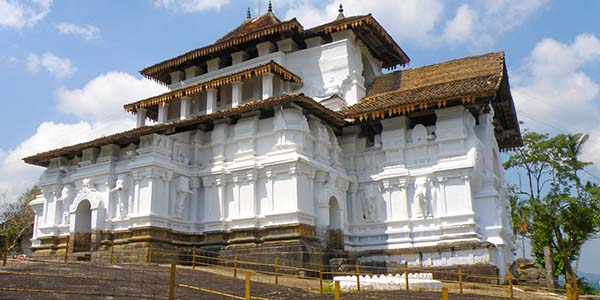
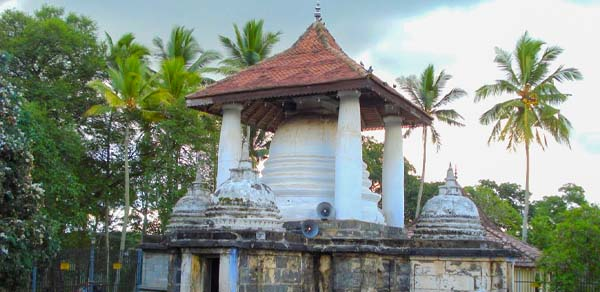
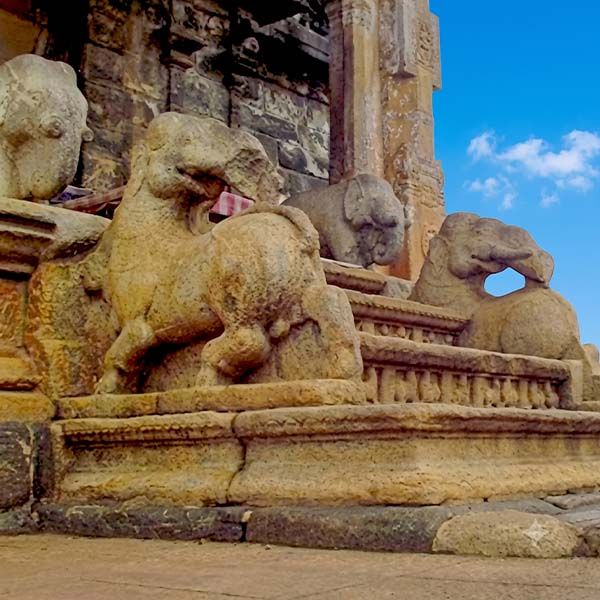
King Buwenakabahu IV built this temple in 1344 on a flat rock, showcasing a strong South Indian design. Furthermore, because builders constructed it entirely from stone, it features unique rock carvings, standing Buddha statues, and a close stupa known as Veyyanthi Prasadaya.
LANKATHILAKA
Material: Brick
Dating back to the 14th-century Gampola era under King Buwenekaba IV, this grand temple sits high on a rock ridge. Consequently, builders designed it with thick brick walls, tall arched paths, and bright wall paintings honoring both Buddha and Hindu gods.
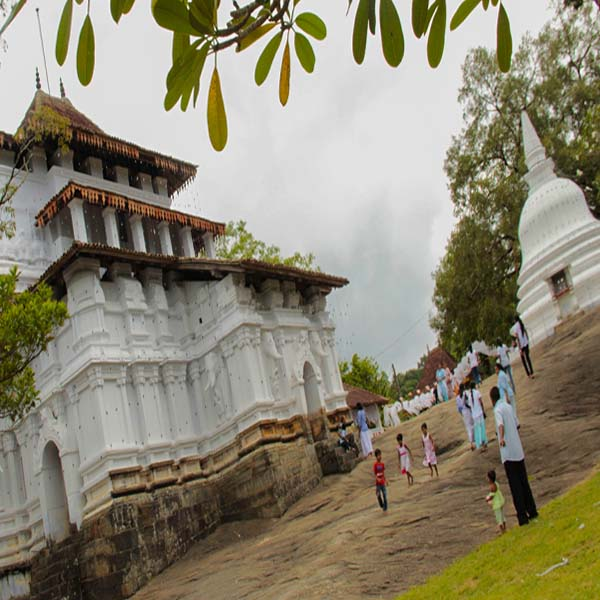
EMBEKKA
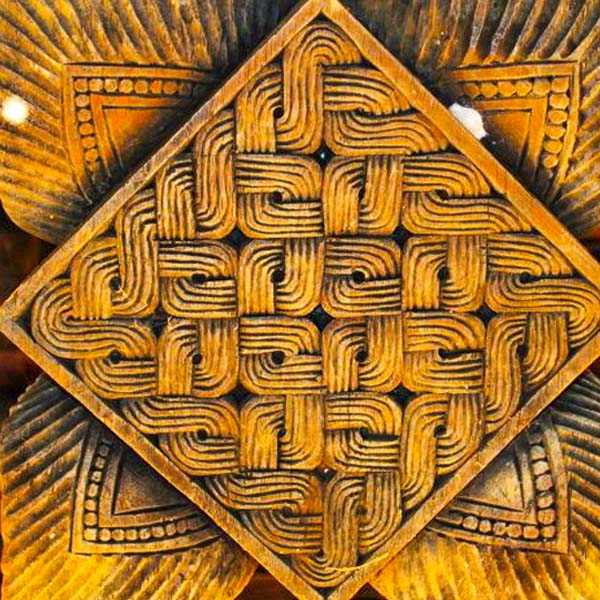
Material: Wood
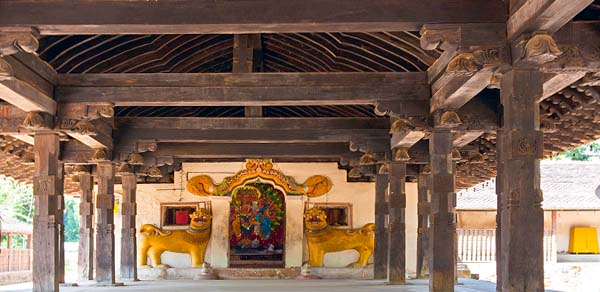
Overview: Built by King Vikrama Bahu III in the late 14th century, this shrine is famous for its fine wood work and detailed carvings. The main hall features strong pillars covered in carvings of swans, dancers, and vine shapes, showing the best of old craft work.
Visit other temples
Ranawana Raja Maha Viharaya: A Visual Journey Through Buddhism
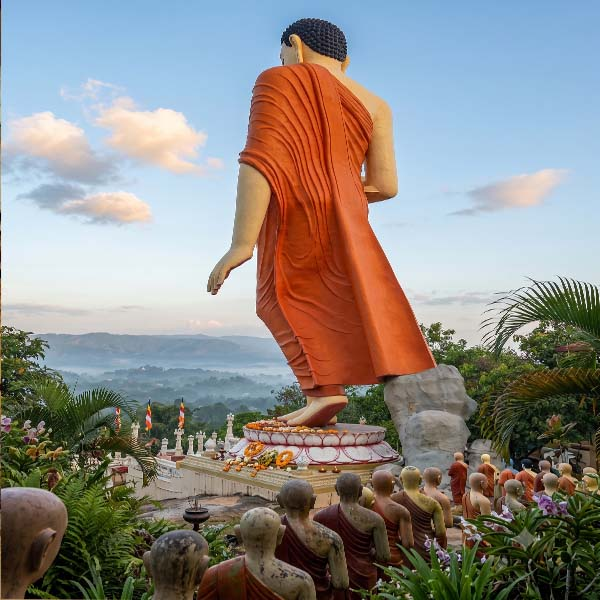
Positioned about 8 kilometers from Kandy, this expansive and unique temple complex makes an enriching extension for your Three Temples Loop trip. Unlike traditional ancient shrines, this site features life-sized and larger-than-life outdoor statues that vividly illustrate numerous stories, scenes, and historical events from the life of Lord Buddha. Set amidst a lush, tranquil hillside environment, it offers visitors an immersive, storybook-like walk through Buddhist history and teachings
Nelligala International Buddhist Center: A Modern Mountain Sanctuary
Perched atop a scenic hill in Muruthalawa, the Nelligala Temple is a striking Buddhist complex. It has quickly become a premier landmark near Kandy. Located about 12 kilometers from the city, the temple features a fully carpeted road leading right to the doorstep.
Therefore, it is exceptionally accessible by vehicle for pilgrims and travelers alike. The site is known for its brilliant golden statues. It also features a unique blend of Sri Lankan and Southeast Asian architectural styles.
It also features a majestic statue of God Sumana Saman on a white elephant. Ultimately, Nelligala offers serene spaces, sacred relics, and breathtaking 360-degree panoramic views of the central highlands.
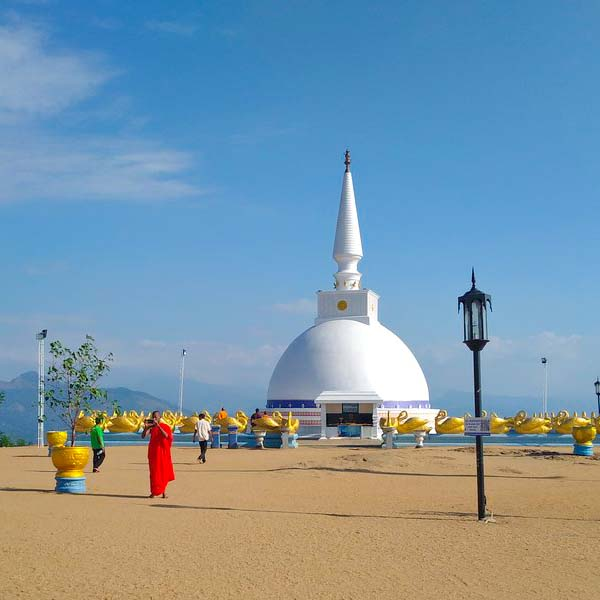
Sandagiri Maha Seya: The New Landmark of the Hanthana Range
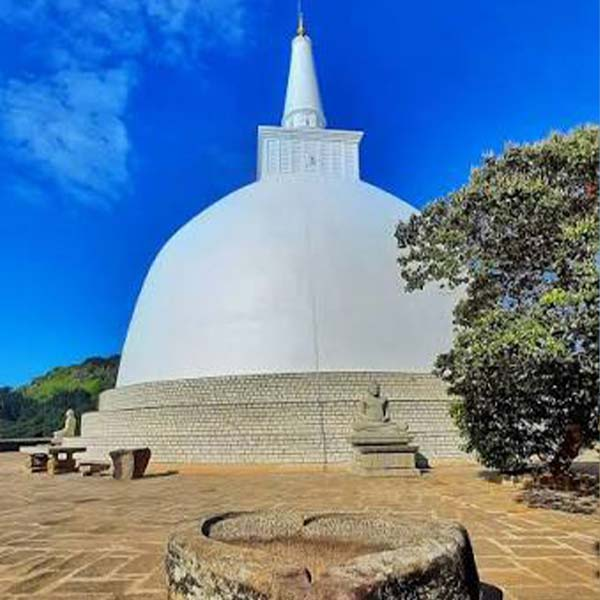
Rising majestically in the backyard mountains of Kandy, the Sandagiri Maha Seya is a magnificent new white dagoba that has become a prominent landmark along the Hanthana Range.
Situated close to the 850-meter high pass on the Hanthana-Uduwela road leading from Kandy to Galaha, this serene shrine sits just 1.7 kilometers (1 mile) away from the Ceylon Tea Museum.
Located roughly 6 kilometers (4 miles) uphill from the heart of Kandy, it offers visitors a peaceful spiritual stop and breathtaking panoramic views of the surrounding hills.
LISTS FOR EXPERIENCES -COMIUNITY BASE ACTIVITIES
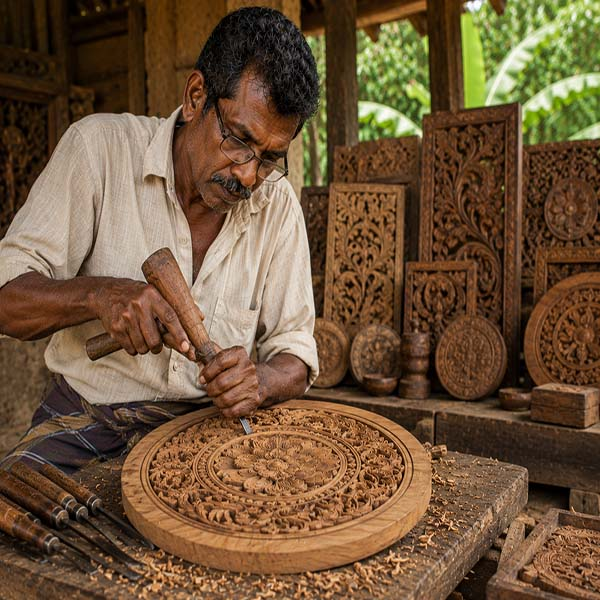
Traditional Wood Craftsmen of Embekka
The legacy of the master woodcarvers who built the magnificent Embekke shrine lives on through the skilled artisans residing in the surrounding villages today. Passing down generational techniques through centuries, these local craftsmen specialize in intricate woodwork, traditional hand-carved pillars, panels, and ornamental items that mirror the iconic art of the Gampola era. Visitors can watch master woodworkers shape timber using classic hand tools, keeping Sri Lanka’s rich heritage of indigenous craftsmanship alive.
Traditional Clay Potters of the Kandyan Kingdom
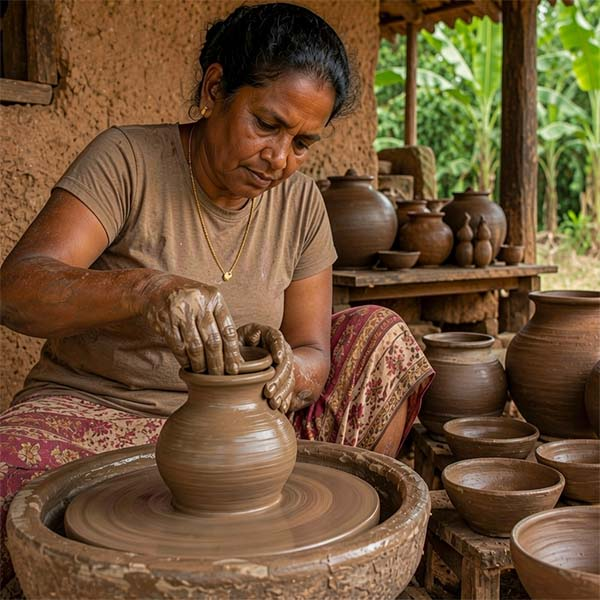
The villages surrounding Kandy carry a rich heritage of traditional pottery that dates back to the era of the Kandyan monarchs, who specifically commissioned local potters to supply earthenware and clayware directly to the royal palace. Today, artisan families in these quiet suburbs continue to practice ancient wheel-turned and hand-molded pottery techniques. Visitors can watch local craftsmen shape raw clay into traditional cooking pots, water vessels, and decorative items using time-tested methods, offering a genuine glimpse into Sri Lanka’s living craft traditions.
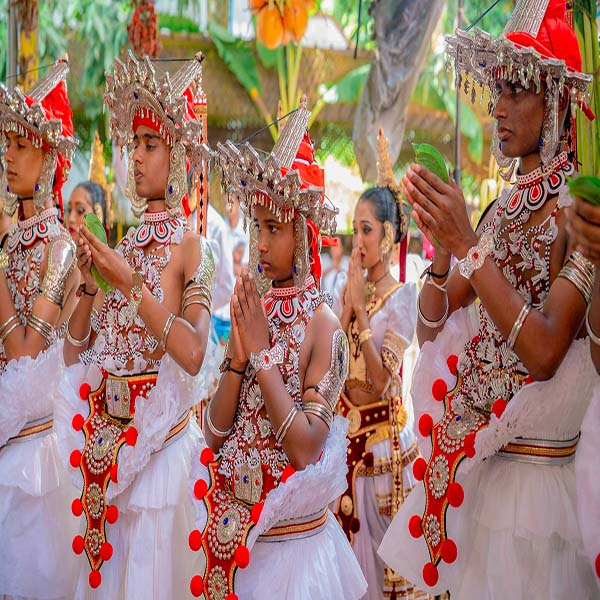
Traditional Kandyan Dancing Villages
The vibrant tradition of Kandyan dancing traces its roots back to the era of the kings, who decreed that royal dancers reside near the palace to provide performances and entertainment during state festivals and royal ceremonies. Today, families in these heritage villages continue this centuries-old duty while doubling as community dancing academies (kalayathanaya). Here, master performers pass down complex rhythms, acrobatics, and traditional choreography to the younger generation. Visitors can witness these dynamic practices firsthand, culminating in their breathtaking mastery on display during the grand Esala Perahera every August.
Traditional Village Farmlands & Organic Agriculture
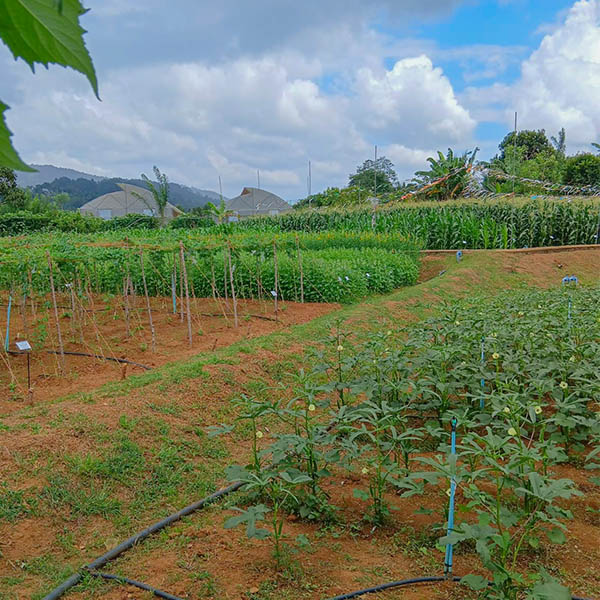
The fertile valleys and terraced plots surrounding the Kandy countryside are deeply rooted in sustainable, community-based farming. Local farming families rely entirely on organic fertilizers and time-tested traditional agricultural methods to cultivate a rich variety of fresh local vegetables, greens, and spices. These wholesome harvests are packed and sent directly to regional markets as certified-style organic produce. Visitors walking through these rural pathways can experience authentic farming life, observing how generational knowledge keeps chemical-free agriculture alive and thriving in the hill country
Traditional Brassware Craftsmanship of the Kandyan Kingdom
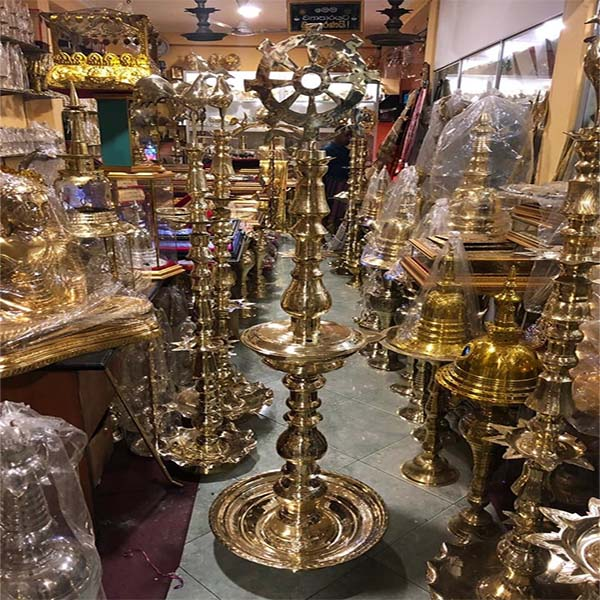
The art of traditional brassware in the Kandy region dates back to the era of the kings. Monarchs specifically commissioned skilled village artisans. They wanted craftsmen to create ornamental items, oil lamps, and decorative fixtures for the royal palace.
Artisans pass down these complex casting and beating techniques through generations. Consequently, today’s families continue to produce an exquisite variety of brassware. These pieces range from traditional household items to intricate cultural showpieces.
Ultimately, these master craftsmen enjoy a thriving market. They draw admirers and buyers from all over the world who appreciate authentic, hand-forged Sri Lankan heritage art.
Traditional Handlooms of the Kandyan Villages
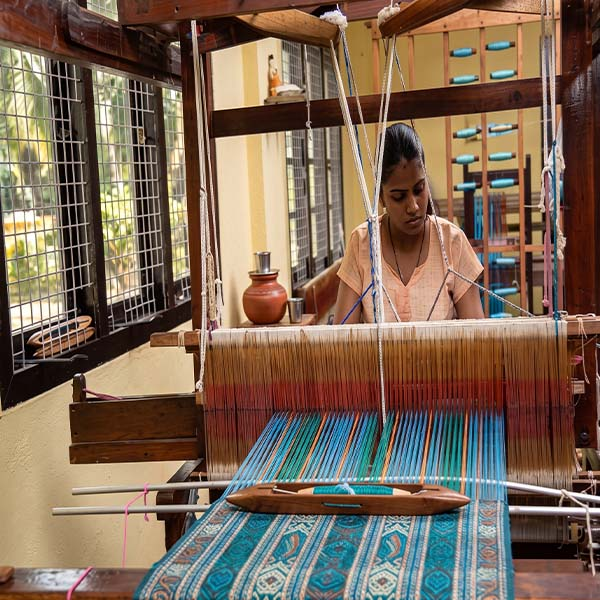
The art of traditional handloom weaving in the Kandy region has deep historical roots. It stretches back to the time of the kings. During that era, local artisan communities were tasked with producing fine textiles and fabrics for the royal court.
Today, skilled women and families in these heritage villages continue this time-honored craft. They operate traditional wooden looms to weave vibrant, durable, and intricately patterned fabrics. Consequently, visitors can experience the rhythmic clatter of the shuttle.
Visitors can watch artisans transform plain threads into stunning modern and traditional garments. Ultimately, they keep a priceless cottage industry alive and thriving.
Traditional Iron Works of the Kandyan Era
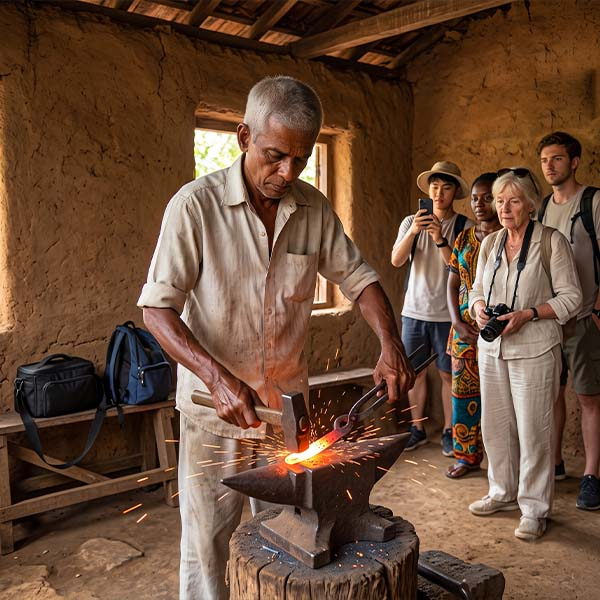
The ancient art of traditional blacksmithing in the Kandy region has roots stretching back to the time of the kings,
Monarchs tasked local smiths with forging essential iron weapons for the royal guard. They also created durable domestic and agricultural tools for the kingdom.
Today, generational artisan families still preserve heavy-duty techniques of shaping iron at the forge. However, the craft faces a steady decline due to the influx of mass-produced, global equipment.
Supporting these local smiths offers a rare chance to witness authentic, hand-forged craftsmanship that defined Sri Lanka’s metallurgical heritage.
How to Do the Loop” (The Itinerary)
- The Best Approach:
“We recommend hiring a small car for the day. It allows you to stop freely at the local craft workshops and paddy fields between the temples without worrying about public bus schedules.”
- Pro Tip:
“Start at Gadaladeniya early in the morning to beat the heat, continue to Lankatilaka for the best panoramic views, and finish at Embekke to see the wood carvings in the best natural light.”
Visitor Tips” (FAQ Section)
“As these are active places of worship, please ensure your shoulders and knees are covered. Carry a sarong just in case!”
Yes! It is a gentle walk and very educational for children interested in history and art.”
“Between 8:30 AM and 12:00 PM.”
Comments are closed.