
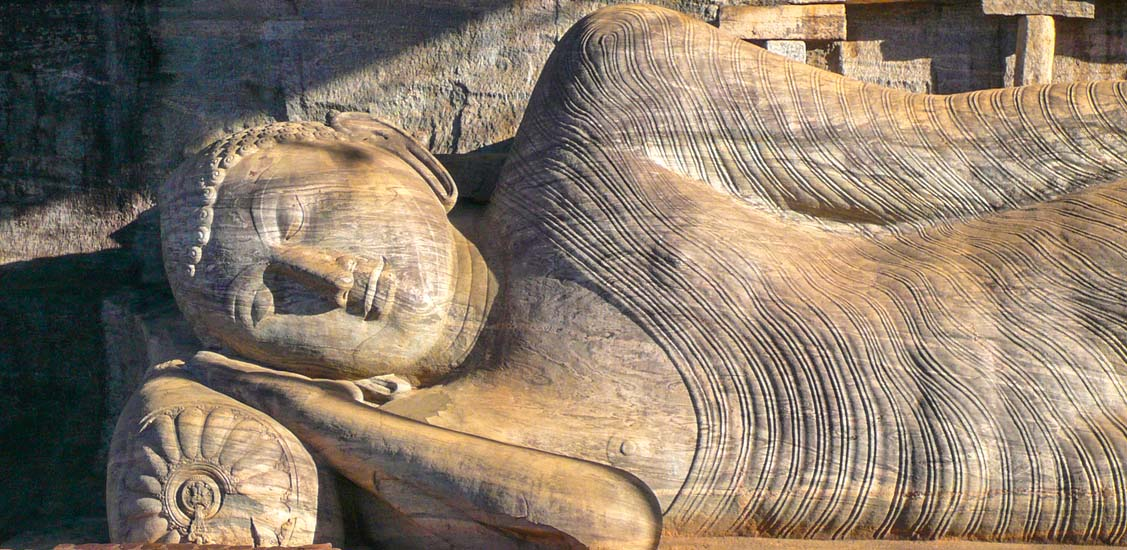
DISCOVER THE ROYAL ANCIENT CITY OF POLONNARUWA
Royal ancient city of polonnaruwa is a breathtaking medieval treasure of Sri Lanka.As a result, following Anuradhapura’s decline, this destination became a powerhouse in the 11th century under the Chola dynasty and Sinhalese kings. Consequently, this UNESCO World Heritage Site offers travelers a journey through history, featuring well-preserved ruins and brick-built structures.
Furthermore, highlights include the iconic Gal Vihara, featuring awe-inspiring Buddha statues carved directly into a single granite rock face; additionally, it features the majestic Vatadage, a circular relic house showcasing the finest examples of ancient stone artistry.
Additionally, whether you are a history enthusiast, a lover of architecture, or a traveler seeking to connect with the island’s rich cultural heritage, Polonnaruwa offers an unforgettable journey into a golden era. Furthermore, you can explore the fusion of religious devotion and royal ambition that defined this captivating city. Consequently, you will experience the timeless allure of one of Sri Lanka’s most significant historical treasures.
Explore the official details on the UNESCO World Heritage Centre to learn more about the heritage of the Polonnaruwa ancient city.
Must-Visit Sites in the Polonnaruwa Ruins,Ancient City
When exploring the archaeological park, these are the essential stops that capture the heart of the city’s history.
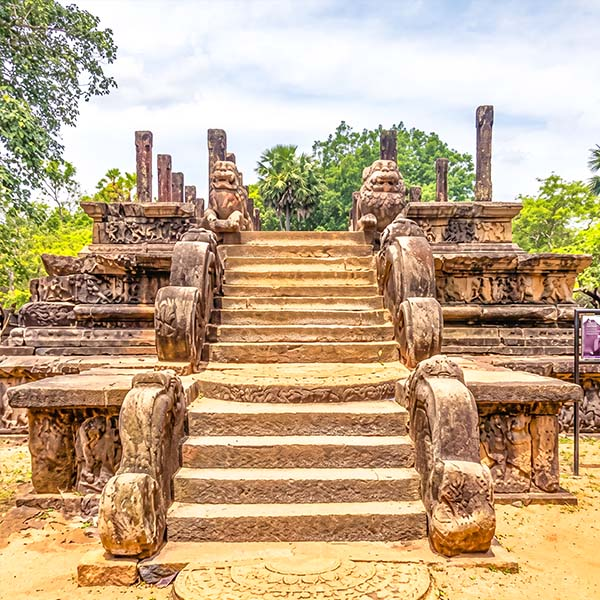
The Quadrangle (Dalada Maluwa): This is the most concentrated area of ruins and the former spiritual center of the kingdom.
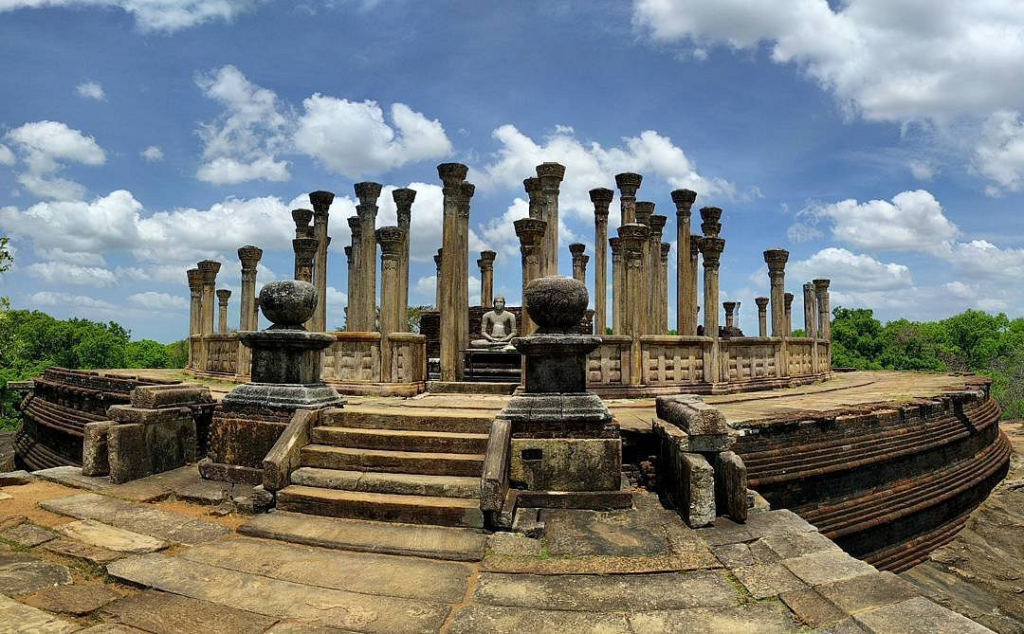
Vatadage
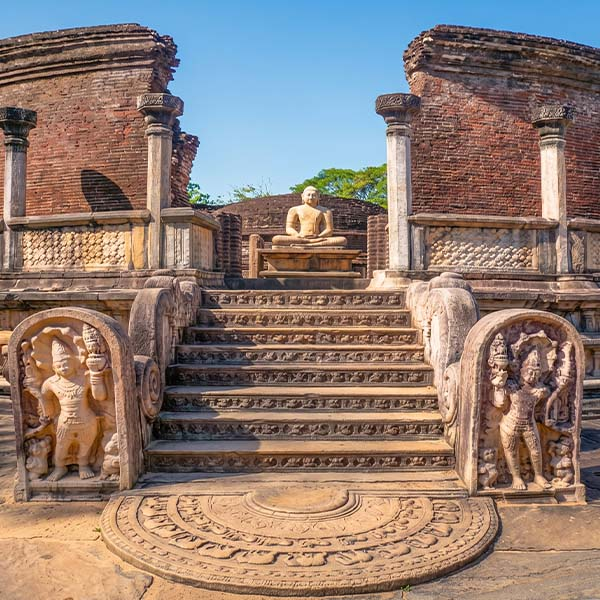
The Vatadage is a circular relic house that showcases the finest examples of ancient stone artistry. Take a moment to admire its circular stone terrace—the intricate ‘Moonstone’ carving at the entrance is a masterpiece of medieval Sri Lankan design.”
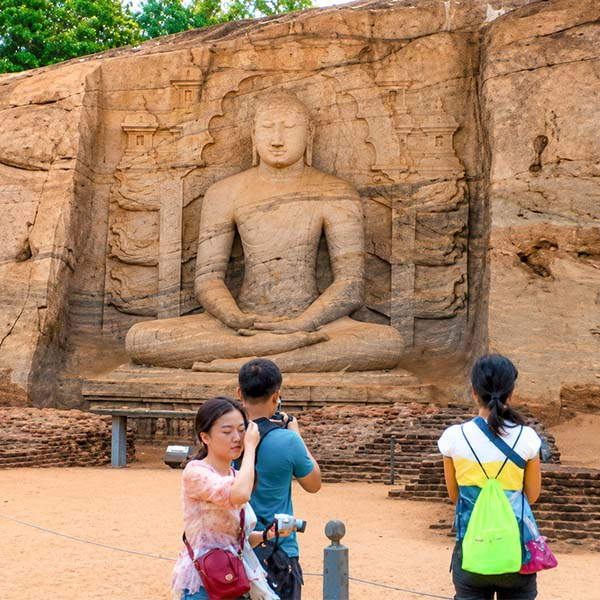
Gal Vihara: A Masterpiece of the Ancient City of Polonnaruwa
Truly the masterpiece of Polonnaruwa, the Gal Vihara features four majestic Buddha statues carved directly into a single, massive granite rock face. These statues, representing the Buddha in various postures, are a profound testament to the spiritual depth and artistic skill of the era.”
Indeed, if possible, visit in the late afternoon; meanwhile, the way the sunlight hits the granite creates a stunning, tranquil atmosphere perfect for photography.
The Royal Palace of the Polonnaruwa Ruins
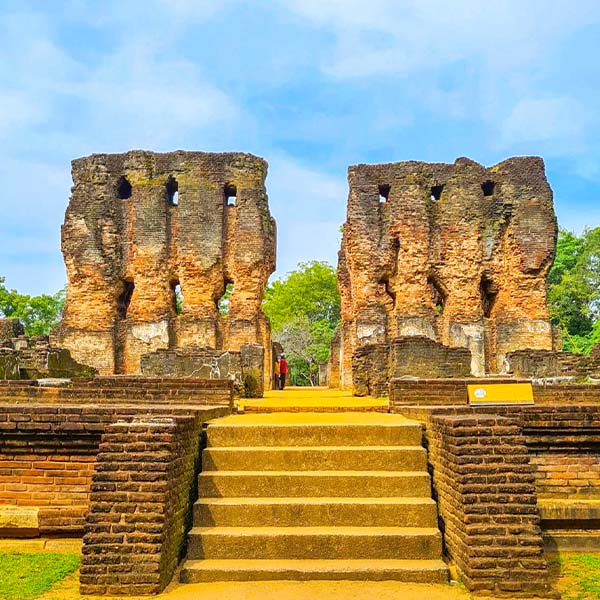
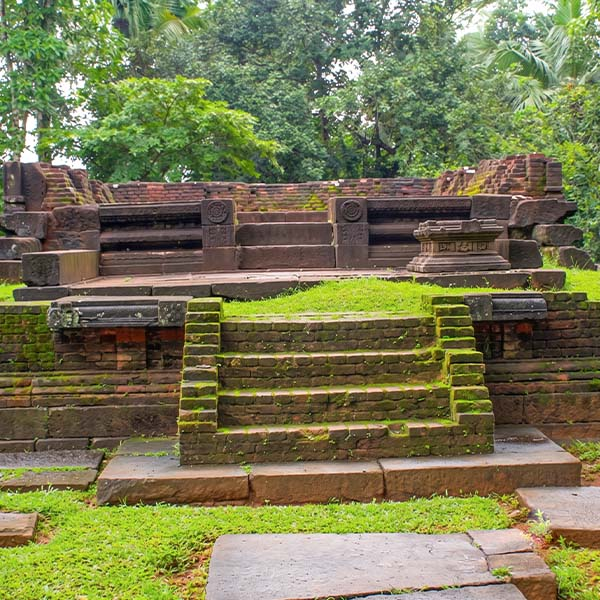
Walk through the remnants of King Parakramabahu I’s Royal Palace. With its massive, thick brick walls, it is easy to imagine the grandeur of the original seven-story structure. It remains a powerful symbol of the king’s architectural ambition.
Rankoth Vehera
The Rankoth Vehera stands as the largest stupa in the ancient city of Polonnaruwa. Its massive, towering brick dome dominates the skyline, offering a stunning sense of scale and a peaceful atmosphere that connects modern visitors to the city’s golden age.
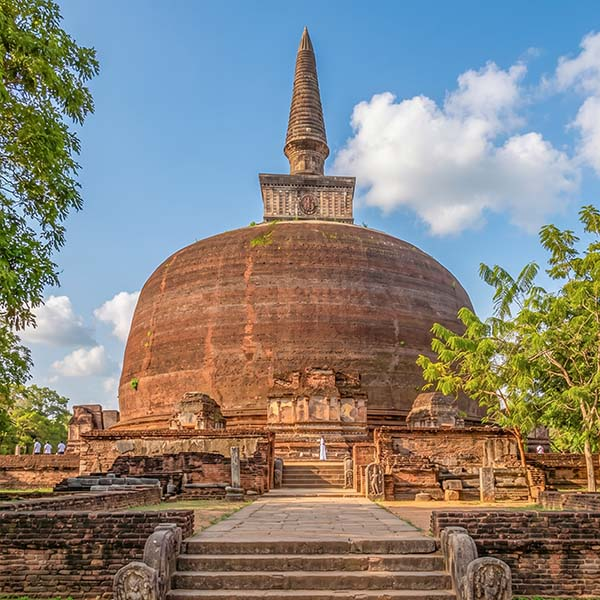
Lankatilaka Image House
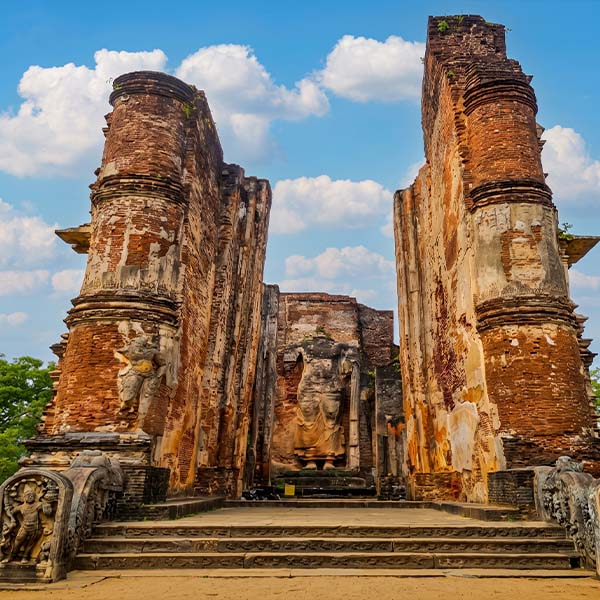
The Lankatilaka Image House is iconic for its soaring, 50-foot-high brick walls that have miraculously survived for centuries. Stepping into this temple to see the remains of the massive standing Buddha statue is an awe-inspiring experience.
Great King Parakkramabahu
King Parakkramabahu the Great (1153–1186) was an influential ruler. He is often depicted holding a puskola leaf manuscript as a patron of arts, literature, and religion. His reign marked a golden era.
He commissioned vast irrigation projects, reformed Buddhist customs, and built grand monuments that shape the legacy of the Polonnaruwa ancient city today.
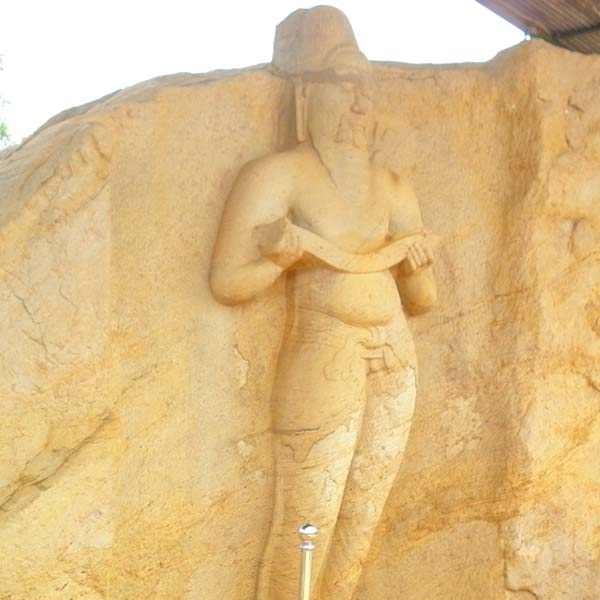
Parakkrama Samudraya
Parakkrama Samudraya: Parakkrama Samudraya is a massive reservoir formed by merging several lakes, supplied by the Aban River via the Angamadilla canal. Its 8.5-mile dam irrigates thousands of acres of land.
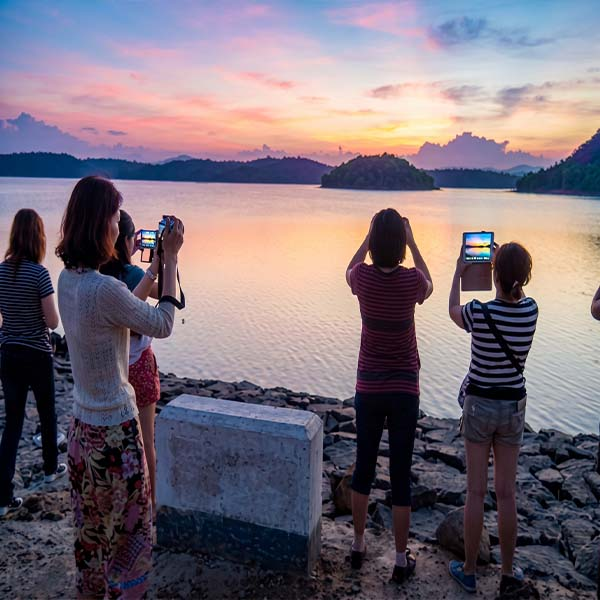
Minneriya National Park: Located just 25km away, this is the perfect way to cap off your historical tour. It is world-renowned for “The Gathering,” an annual event where hundreds of wild Asian elephants congregate around the ancient reservoir—a truly unforgettable wildlife experience
Essential Visitor Tips for the Polonnaruwa
Best Time to Explore: The ruins are best explored in the early morning or late afternoon to avoid the intense midday heat.
Dress Code: As this is a sacred archaeological site, please dress modestly. Ensure your shoulders and knees are covered when entering temple areas.
Footwear: You will be required to remove your shoes before entering many of the sacred structures. Wearing socks can be a great way to protect your feet from the hot stone surfaces!
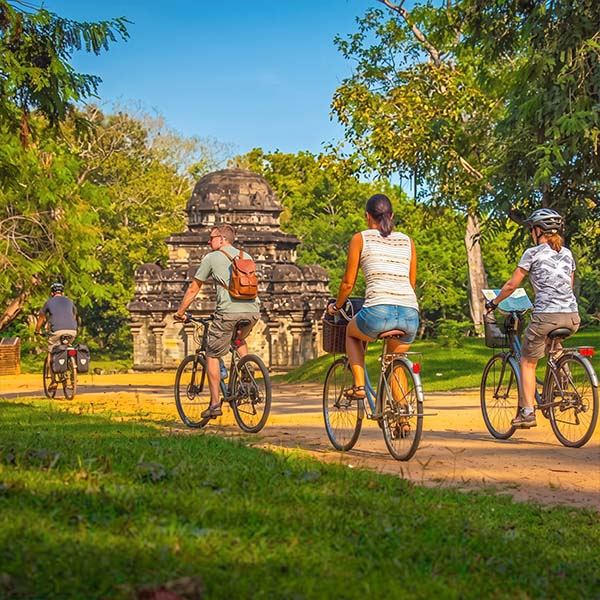
Getting Around: The site is vast. Hiring a tuk-tuk for the day allows you to travel comfortably between the ruins, while renting a bicycle is a popular and fun way to soak in the atmosphere at your own pace.
Stay Hydrated: Shade can be limited in certain areas. Pack plenty of water, wear sunscreen, and bring a hat to stay comfortable throughout your tour.
The Museum First: Start your journey at the Polonnaruwa Archaeological Museum. It’s where you purchase your tickets, and it provides an excellent overview of the city’s history, making the ruins even more meaningful as you see them.
Respect the Residents: You’ll likely encounter the famous local toque macaques. While they are fascinating to watch, please remember they are wild animals—do not feed them, and keep your distance to enjoy their antics safely.
How to Get to the Polonnaruwa Ancient City
For the Luxury & Comfort Traveler
If you value privacy, time-efficiency, and comfort, these options are for you:
- Private Chauffeur/Taxi: If you value privacy, speed, and comfort, these options fit your needs. Private Chauffeur/Taxi: This is the most seamless way to travel. You can hire a private air-conditioned vehicle from Colombo or Kandy.
- From Kandy: A scenic 3.5–4 hour drive.
- From Colombo: A comfortable 5.5–6 hour journey.
- Benefit: .Your driver acts as a personal guide and stops for photos. They take you directly to your hotel or the museum entrance, saving energy for the ruins.
- Luxury Boutique Stays: Book a resort in nearby Habarana. These properties offer premium transport, infinity pools, and fine dining to make your historical tour relaxing.
For the Budget & Backpacker Traveler
If you are looking for authentic experiences, meeting fellow travelers, and keeping costs low, try these:
- Public Train & Bus Combo: Sri Lanka’s public transport is an adventure in itself.
- The Route: Take the train from Colombo/Kandy toward Polgahawela or Habarana, then switch to a local bus.
- Budget Tip: This is incredibly affordable and offers the best chance to interact with locals and see the rural landscape of the Cultural Triangle.
- The “Slow Travel” Experience: Renting a bicycle once you arrive is the hallmark of a Polonnaruwa backpacker trip. It’s cheap, environmentally friendly, and allows you to explore the ruins at your own pace without waiting for a tuk-tuk.
- Guesthouses: Look for family-run homestays in Polonnaruwa town. They are often budget-friendly, offer home-cooked Sri Lankan meals, and the hosts are usually happy to help you navigate the local bus schedules.
From Colombo
- By Train: The most scenic and cost-effective option. Direct trains run from Colombo Fort to Polonnaruwa. The journey typically takes around 5.5 to 6 hours.
- By Bus: Direct buses run from the Colombo Pettah Bus Terminal. This is a budget-friendly way to travel, though traffic can make the journey vary between 7–8 hours.
- By Private Car/Taxi: The fastest and most comfortable method, taking approximately 5–6 hours depending on traffic.
From Kandy
By Combined Transport: The most common route is to take a train to Polgahawela, then transfer to a bus heading toward Dambulla, and finally a local bus to Polonnaruwa.
By Private Taxi: This is the most efficient choice from Kandy, taking roughly 3.5 hours. It is highly recommended if you are on a tight schedule.
A Journey Through the Ancient City of Polonnaruwa
Polonnaruwa is more than a collection of ruins; it is a vivid window into the history of ancient Sri Lankan kings. Whether you explore by bicycle or private tour, it promises to be an unforgettable stop.
Ready to Experience Polonnaruwa Tourism?
Don’t let the logistics hold you back from experiencing the magic of Polonnaruwa. Whether you are a solo traveler looking for the best local tips or a family seeking a seamless, luxury-guided experience, Sri Lanka Hill Country Tours is here to help
To customize your Cultural Triangle itinerary or book your private transfer to Polonnaruwa